Home Blog

Spa Uncommon – Relais Cooden Beach

Tucked along the quiet shores of Bexhill on Sea, The Relais Cooden Beach is one of those rare coastal finds which soothes the soul the moment you arrive. The waves break just beyond the terrace, gulls wheel lazily across the horizon, and the soft scent of salt and seaweed hangs in the air. Once the private home of the De La Warr family, this Arts and Crafts style building has been beautifully restored, transformed into a seaside sanctuary where history, design, and wellbeing blend effortlessly. At its heart lies the hotel’s newest addition, a tranquil spa which has turned this elegant escape into one of the most restorative destinations on England’s south coast.

There is something quietly indulgent about a hotel where you can step straight from your suite onto the sand. The Relais is one of the few in England to offer this rare privilege. Here, mornings begin with the shimmer of sunlight on the English Channel, and evenings drift into golden hour cocktails on the terrace; the sea breeze cool and fragrant. Cooden Beach station is only a short walk away, making it an easy journey from London, yet worlds apart in spirit. Every detail, from the fresh coastal air to the thoughtful inclusion of electric vehicle charging points, reflects a sense of modern simplicity and care.

The new Relais Spa, unveiled in July 2024, is a calm and contemporary space designed for complete relaxation. Its interiors take their cue from the landscape outside: pale wood, soft coastal light and delicate shades of sea glass and stone. The atmosphere is peaceful and cocooning, made for slow mornings and unhurried afternoons.

Guests move between the vitality pool, where water laps gently against tiled edges, and the aroma essence steam room, fragrant with essential oils. The infrared sauna provides deep warmth and quiet solitude; while the treatment rooms offer therapies using products by Pelegrims, a local brand whose formulas harness the antioxidant power of English grape extracts. Each treatment feels deeply connected to its setting, a dialogue between sea, skin and sense of self.

The therapists are as intuitive as they are skilled, adapting each ritual to what the body needs most. As you lie still and listen to the faint sound of waves beyond the window, it becomes easy to forget time altogether. The spa is not large, but that intimacy is part of its appeal. It feels personal, nurturing and profoundly peaceful — the kind of space where relaxation is not a luxury but a natural state of being.

Throughout the rest of the hotel, a sense of calm elegance continues. The design echoes the tones of the shoreline: deep ocean blues, warm neutrals and sun-washed wood. Each of the 45 guest rooms has been individually refurbished to balance comfort with understated sophistication. Crisp linens, arched doorways, and wainscot-paneled headboards nod to the building’s heritage, while contemporary furniture and soft lighting lend a fresh, modern finish. The result is a hotel which feels both timeless and quietly confident — a place which invites you to settle in and exhale.

At The Rally Bar & Restaurant, the philosophy of wellness extends naturally to the food. The menu champions local produce, with seafood landed by Sussex fishermen and seasonal vegetables from nearby farms. Dishes are light, flavorful, and unpretentious, designed to let the ingredients speak for themselves. The restaurant opens directly onto the beachfront terrace, where guests linger over the catch of the day or a chilled glass of English wine as the tide creeps in.

While the menu remains concise, its strength lies in its simplicity and provenance. The flavors are clean, the presentation restrained, and the service unhurried. Later, the bar provides an easy transition from sea-breeze afternoons to candlelit evenings, the windows framing silhouettes of the shore as night falls across the Channel.

The Relais Cooden Beach is a place which restores balance without effort. It is elegant but unpretentious, rooted in its coastal surroundings yet refined in every detail. The new spa brings a sense of completeness to the experience — a space that embodies the peace and rhythm of the sea itself. From the whisper of waves outside your room to the quiet warmth of the sauna, everything here encourages you to slow down, breathe deeply, and simply be.

This is the English seaside at its most sophisticated: calm, confident, and beautifully understated. Whether you come for a weekend of rest or a longer escape, The Relais Cooden Beach offers the perfect reminder that wellness can be found not in grand gestures but in stillness, simplicity, and the sound of the sea.

https://therelaiscoodenbeach.com

Silk Road by Private Jet

0

When Marco Polo took his fabled journey from Venice, Italy to the court of the Mongol ruler Kublai Khan in China, he spent long, difficult years on the road. He could never have imagined that seven centuries after his death, adventurous travelers could take to the skies and recreate much of his travels — the best bits, at least — in a little over two weeks. Orbridge has built its reputation combining luxury travel with rich educational experiences, and in 2026 is launching a remarkable, 17-day odyssey along and above the world’s most alluring route: welcome to the Silk Road by private jet.

“The Palace is famed for its fine art collection and its views straight onto the Grand Canal, so nothing beats a glass of crisp Italian wine on the roof terrace just as the sun comes down.”

The jet in question is Orbridge’s Bombardier Global 6000, an immaculately designed and equipped VIP plane small enough to access private hangers. Two pilots and a highly experienced crew provide the highest levels of service, ensuring that the hours spent onboard fly by. The plane is based at London’s Stansted Airport, the ideal launchpad for a trip to some of the greatest cities in the ancient and medieval worlds. 

Your tour begins in earnest in Venice, the pearl of the Adriatic Sea and the western terminus of the Silk Road. Historically, Venetians made their money trading silks, spices, and other exotic goods, and they invested it in their floating city, where the exquisite architecture seems like something from a fantasy novel. Guests stay in the 15th-century Gritti Palace, which was at one time the private residence of the Doge of Venice. The Palace is famed for its fine art collection and its views straight onto the Grand Canal, so nothing beats a glass of crisp Italian wine on the roof terrace just as the sun comes down. Yes, St. Mark’s Basilica is on the sightseeing itinerary, but so too are private spaces you would otherwise be unlikely to see, including the luxurious family run textiles company, Fondazione Rubelli, and the Gothic palazzo which was once the studio of artist and inventor Mario Fortuny.

Having immersed yourself in Venetian delights, it’s time to turn your face to the east and fly the 6-7 hours to Almaty, the erstwhile capital of Kazakhstan. Close to the border with China and surrounded by a scenic ring of mountains, this is your first taste of the Orient. Using the Ritz Carlton as a base, you can easily tour photogenic Ascension Cathedral and contrast this Russian Orthodox masterpiece with the nomadic folk culture of the Kazakh people, whose ancestors dominated the Eurasian steppe.     

By plane, it is only a short hop across the border to Uzbekistan, a journey which would have taken Silk Road caravans weeks. Prepare to be dazzled by the UNESCO World Heritage Sites of Samarkand and Bukhara, cities which amazed everyone from Alexander the Great and Genghis Khan, to a generation of imperial British and Russian spies. The Hilton Samarkand Regency and the Wyndham Bukhara offer warm Uzbek hospitality in comfortable surroundings, but you’ll be inpatient to get out and explore.

In Samarkand, the medieval monuments dazzle. The Registan, the Gur-i Amir, and the Shah-i Zinda represent the architectural and artistic heights of the Timurid Renaissance and the wealth and power of this ancient city. Likewise, in Bukhara you can wander through the well preserved Old Town, marveling at the glittering tiles of the mosques and madrassas, many of which hark back to the Golden Age of Islam.

With thousands of miles to cover, you cannot linger too long: Tbilisi is calling! Georgia straddles Europe and Asia, culturally and geographically. The country’s vibrant, eclectic capital buzzes with energy and a strong and proud identity drawn from Georgian Orthodox roots. Of all the cities you can visit on this itinerary, Tbilisi is undeniably the most cool, so you will want to spend at least an hour or two wandering the streets, drinking in bars, shopping in boutiques, and soaking up the vibe.

The Tbilisi Marriott Hotel, Orbridge’s chosen hotel for this tour, is a grand building on Shota Rustaveli, Tbilisi’s answer to the Champs-Élysées. The hotel is the anchor for excursions, including to the UNESCO World Heritage Sites of Mtskheta and the rock-cut city of Uplistsikhe, so you can pack a lot of sightseeing into two days. But what the Georgian people are most proud of is their viticulture heritage: Georgians invented winemaking 8,000 years ago, and have been enjoying natural wines ever since. Look out for top brands which make their wines in qvevris, terracotta vessels akin to amphorae. Lagvinari is my particular favorite.

No Silk Road itinerary would be complete without Istanbul, the final destination before returning to London. The city’s previous names, Constantinople and Byzantium, remind us of its cultural diversity and how far its rulers projected their power. Arriving by private jet, you see from the air how the Bosphorus and the seas have shaped Istanbul, and this sentiment only grows on the first evening’s sunset cruise. Istanbul is a city as well connected by water as it is by land. 

Even today, Istanbul’s Grand Bazaar still looks and feels like the backdrop for an oriental fairytale. Shop for pouches of spices and sticky cubes of rose water flavored lokum, Turkish Delight. The bad worked leather goods and silk carpets are also tempting. But if you have had enough of the labyrinthine bazaar’s 1,000 shops, get ready for more ancient treasures. Istanbul’s Hippodrome was the centerpiece of the Byzantine Empire, the Hagia Sophia is a marvel of art and engineering, and at the Topkapi Palace Museum you’ll be exposed to the opulent lifestyles of the Ottoman Sultan. 

Perhaps the most unforgettable of all the activities and experiences Orbridge has curated in Istanbul, however, is to see a whirling dervish performance inside the atmospheric Serefiye Cistern, a structure which is already 1,600 years old. Traditionally, dervishes follow the Mevlevi Order of Sufi Islam, and they whirl in a form of meditation, believing that it will bring them closer to God. What is certain is that when you finally return to the Four Seasons Hotel Istanbul at the Bosphorus for the night, your head, too, will be spinning with thoughts of all the extraordinary things you have seen. 

42 meals, 21 expert-led excursions, seven flights, six countries, and one extraordinary adventure. If Marco Polo could have flown along the Silk Road on Orbridge’s private jet, he would.

orbridge.com

A Letter From Asia: Sri Lanka

Ayubowan!

Traveling in Sri Lanka is like coming home. Three generations of my family have a deep personal connection with the Pearl of the Indian Ocean: love stories which spanned continents, the births of children, and friendships which have lasted decades. This fall, I have returned for the first time since my teens. It’s a family holiday, but now my brother, his partner, and I are approaching middle age, and our parents – thankfully still with us and no less adventurous – are old enough to appreciate a slower, more comfortable journey in a country which has shaped us all in so many ways.

There are three places I particularly want to tell you about, because they epitomize what is special about this beautiful island. First on my list is Thamaravila, a luxury tented game lodge in the Wilpattu National Park. Wilpattu is the largest protected area in the country, and as it was closed to the public for 16 years during Sri Lanka’s civil war, the lack of human interference has given the flora and fauna a chance to thrive. I came here to see Wilpattu’s world renowned leopard population, but was just as enthralled by the sight of elephants, water buffalo, and deer, plus countless species of birds.

Kandy, I would say, is the cultural heart of Sri Lanka, and hence is my second pick for this letter. This is where my mother spent her formative years, in a colonial bungalow not far from the lake; but where you (and I) want to stay is the Grand Serendib Hotel. It is close to the famous Temple of the Tooth, named after a relic of the Buddha, and there are remarkable views from the rooftop. This is the ideal base for sightseeing – the Royal Botanical Gardens with its world famous orchid collection, the Pallekele International Cricket Stadium, and the Bahirawakanda Temple amongst the top locations – but I also recommend scheduling dinner in the hotel’s Grand Sky Lounge. It’s romantic, even when your dates are your younger sibling and parents!

Kandy, which was the capital of the historic Kingdom of Kandy from the 15th to the 19th centuries, is idyllic and fascinating in equal measure, whatever time of the year you want to visit. But if you are able to choose when to come, nothing beats the Kandy Esala Perahera, also known as the  Festival of the Tooth, which takes place annually in July or August. The exact dates are dictated by the lunar calendar. The festival’s nightly parades are dramatically lit with thousands of fairy lights, the dancers’ bells tinkling, and the sacred casket is carried solemnly on the back of a ceremonial elephant. I like to imagine my grandparents standing on the same street almost 70 years ago, watching a very similar spectacle. Perhaps one day my goddaughter will witness it too. 

For me, Sri Lanka – Ceylon – is synonymous with tea, and every morning starts with a generously large pot brewed from loose leaves. It is only right, then, that my third recommendation to you is W15 Lake Gregory in the middle of Nuwara Eliya, the island’s most famous tea growing region. The hotel has a sublime setting overlooking both the lake and Galway Land National Park. The architecture and decor is reminiscent of the tea planters bungalows in which my grandpa once lived, and if you are interested in tea, there are plenty of experiences to immerse yourself in and learn about this all important plant. 

How about a picnic in a tea garden, or a tour of the Pedro Tea Factory?  And of course, you must do a tea tasting, where you will learn how to identify a first flush from a second flush, and why green tea and black tea taste so different, despite coming from the very same plant. A packet of tea is a lightweight and inexpensive souvenir or gift, and it is easily transported back home. What is more, when you brew those leaves months from now and sit quietly sipping from your cup, you’ll be transported in your mind to Serendib,  with all the memories of relaxing on this heavenly isle.

Until next time!

Royal Malewane – Luxury in the Lowveld

0

As a veteran of the road, it’s often easy to convince myself that I’m the one in control when travelling and that I make the decisions that culminate to a specific outcome or experience. But when I take a step back and look at the beautiful chaos of travel, I can’t help but appreciate, or at the very least leave room for, a small margin of magic.

“Travel, and the people you meet along the way, really are incredible.”

Enter Barry Strick; a jovial gentleman who was on a road trip from New York to the Florida Keys, and who just so happened to also be staying at The Ritz Carlton Amelia Island while I was there for the Amelia Island Cookout last October. Upon hearing him speak, I instantly recognized him to be from South Africa and after exchanging the typical pleasantries, I told him that I was headed to Cape Town in a couple of months. He mentioned he had a tour company, Restio Travel, and would happily give me a list of recommendations.

We continued chatting as we meandered the halls and made our way to the oceanside fireplace where he regaled me with stories of The Mother City’s infamous dining scene, and while Barry was gushing over his favorite vineyards in Franschhoek, I could feel my excitement for this trip growing by the second. When he paused and asked me, “Have you booked a safari?” I admitted that I had succumbed to decision fatigue, as there were multiple regions and countless lodges to choose from. He said he knew just the place and that he would make a call in the morning to see if they had any availability during my dates.

By the time I awoke the next day, Barry was likely halfway to the Keys, and as my excitement slowly faded into a hangover, I feared that our interaction may have been another booze-fueled conversation that would smolder and eventually extinguish like the embers of the previous night’s fire. I didn’t know it at the time, but the safari lodge Barry had in mind was called The Royal Malewane – a group of five-star safari lodges adjacent to Greater Kruger National Park and part of the Royal Portfolio, which has produced some of South Africa’s most well-known and highly regarded hotels and restaurants including the Silo in Cape Town, the Birkenhead House in Hermanus, and La Residence in Franschhoek.

A few days after our meeting, I was relieved to receive an email from Barry saying he had managed to secure me a villa at The Royal Malewane’s Waterside Lodge, which is where I now sit as I write this – parked under the African stars next to another glowing fire, over eight thousand miles away from where we met several months ago. Travel, and the people you meet along the way, really are incredible.

After several gloriously gluttonous days eating and drinking our way through Franschhoek, my partner and I jumped on a regional flight from Cape Town to Hoedspruit, approximately 450 miles from Johannesburg as the crow flies, to begin our safari adventure. The expanse of the landscape was immediately noticeable on approach to the rural airport. The ground below boasted seemingly unlimited shades of green, scarred by reddish dirt roads sprawling chaotically in every direction and resembling cracks in the surface of an enormous green vase.

At the arrival gate we were greeted by Nik; a burly, dark-haired fellow with a neatly trimmed beard that I took an instant liking to, and who would turn out to be our lead bush guide for the next few days. Raised in Johannesburg, Nik spent his youth exploring the bushveld (the sub-tropical, savanna woodland ecoregion in Southern Africa) with his family on weekends. He eventually studied Nature Conservation in Pretoria before being selected as the first intake for the Royal Malewane’s apprenticeship program nineteen years ago, and he has been employed with them ever since. We climbed into his Land Cruiser and comfortably made our way to the lodge, curiously probing him for tales of the unbridled African wilderness.

As we made our way east from the airport, the paved motorway soon turned into a wide dirt road. Shortly after, we entered the Thornybush Nature Reserve, and any semblance of a road quickly disappeared into tire-track trails, winding this way and that, through the low-lying vegetation peppered with baobab and marula trees. I had (incorrectly) assumed that once we reached the lodge we would be taken to some ‘other location’ to try and spot the wildlife that we had travelled so far to witness, but I quickly realized that we were already immersed in the bush. It wasn’t long before we came upon a herd of buffalo resting in a field accompanied by a few zebras and a sounder of warthogs with their newborn piglets. We hadn’t even completed the transfer from the airport, and we had encountered one of the ‘Big Five’ species. I was elated and trying to get as many pictures as I could when Nik assured me that we would see plenty more that afternoon on our first game drive. Nevertheless, my eyes remained peeled and my camera at the ready for the rest of the journey to the lodge.

“I had told the team that I wanted to try as many local game meats during our stay as possible, and they delivered.”

We arrived at our destination in the late afternoon and as we pulled up to the entrance we were greeted by the entire hospitality team, each offering a welcoming wave and an even bigger smile. The Waterside Lodge, so named as it sits on the bank of a dammed reservoir, is one of seven luxury lodges and villas that make up the Royal Malewane. It is comprised of multiple, detached, single story, open-air buildings featuring lofty ceilings with exposed wooden beams and thick reeded roofs. The lobby, as it were, featured an indoor dining room with retractable glass panels and a beautiful water view, as well as a covered outdoor bar that overlooked the alfresco dining area shaded by towering fever trees. We were invited to enjoy a drink at the bar while our bags were escorted to our villa, and I relished the opportunity to have my new favorite cocktail since arriving in South Africa – a brandy Old Fashioned.

Each luxury villa was uniquely presented in vibrant colors inspired by the rich history of Africa, blending modern amenities and design, juxtaposed with Victorian-era furniture and hand-carved wooden cabinetry.

The doors and their frames, also carved by hand, looked as if they had been reclaimed from a time long ago and given a new life out of respect of the lost artisans who crafted them. The entrance opened into a cozy living room with a fireplace and the opposite wall, which was composed almost entirely of full-length sliding glass panels, revealing a private deck and plunge pool that looked out over the untamed wilderness. The master bedroom was beautifully appointed with more handmade furniture and a bed that looked as if it had been woven from threads made of clouds. The His-and-Her’s bathrooms were virtually mirror-image, save for the free-standing bathtub in Hers that was perched in front of double glass doors that opened onto the deck, so that one could soak in the tub with a glass of Cap Classique, while also soaking up the views of the expansive horizon.

Hungry from our travels, we finished our welcome cocktails and sat at a table next to the water where we were presented with individual menus tailored to our dining preferences, adorned with our names and the day’s date. Three times a day, every day for the remainder of our stay, we were given a new menu with a dozen new dishes to choose from, each sounding better than the next. The hardest part of every meal was choosing what to eat, since you knew that next time you sat down, these items would all be swapped out with a new barrage of choices to contend with.

I had told the team that I wanted to try as many local game meats during our stay as possible, and they delivered. Seared loin of kudu, springbok and impala were staples on my menus, as well as warthog and crocodile carpaccio, springbok tartare and a bountiful array of vegetable and seafood dishes. Freshly baked bread and house whipped butter were standard starters, offered alongside a selection of local wines to help set the stage for the deliciousness ahead. The Chef and culinary team would frequently visit our table throughout our stay to discuss how we enjoyed the food and inquire if we had any specific desires for the next meal.

‘We spent several hours tracking elephants, impala, hyenas and wild dogs, all the while Nik was pointing out every species of bird within a three-mile radius.”

The front of house team likewise was the epitome of hospitality. The service was formal and intentional, but warm and with plenty of personality, if you initiated conversation. We were always greeted by name and truly felt that every staff member was going out of their way to say hello, and ensure we felt like so much more than just another guest passing through their doors.

Despite the array of options we kept our first lunch light, opting for venison tataki, kingklip ceviche, cauliflower Badji and a Greek salad – all elegantly prepared and neatly woven together by a bottle of rose Cap Classique. After lunch we met Nik back at the lodge entrance where he introduced us to the other half of our dynamic driving duo, Jon. As an expert wildlife tracker, Jon knew this area like the back of his hand. He was a man of few words, but after one quick flash of his smile, you knew he had a heart warmer than the African sun. We mounted the Land Cruiser and hit the trails with Nik behind the wheel and Jon perched in a spotter seat elevated above the truck’s hood. They immediately locked-in to tracking mode and you could tell right away that they were an experienced team.

The Thornybush Private Nature Reserve, where Royal Malewane is located, isn’t a single park, but rather a fifteen-thousand-hectare area comprised of multiple landowners and lodges that runs adjacent to Greater Kruger National Park. The members of this consortium have together to pool their resources and land access, creating a concession that is guided by a conservation-first ethos and has a deep commitment to preserving their ecosystem that goes far beyond wildlife viewing. Their combined focus is to protect the native plants, animals and natural ecological process of the Lowveld bushveld and ensure its survival and protection from poachers and overdevelopment. The lodges within this concession have mutual access to the combined reserve land without fences or other impediments, which allows for longer game drives, which in turn renders more fruitful wildlife sightings and bush experiences as animals are free to traverse the landscape as they were meant to.

Historically, ‘fortress conservation’ was a popular method of controlling areas of land in this region. Private and hunting reserves would use fences and armed enforcement to police the land and control wildlife under the belief that humans and nature were unable to coexist. These days however, many landowners are joining forces and lobbying for the de-fortification of the Kruger to Canyon Biosphere Region, which spans over 2.5 million hectares from Kruger National Park in the East, to the Blyde River Canyon and the Drakensberg Mountain range in the West. Recognized as one of the top biosphere regions globally by UNESCO, concessions like Thornybush Nature Reserve are playing a significant role in the efforts to ensure that future growth in the region is balanced with continued ecological conservation, so that protected areas, private reserves and rural communities can continue to grow and thrive in harmony. While there is still a way to go, every year more land is being bought back with the explicit intent of conservation, meaning the fortress-fences of old are slowly being torn down across some of South Africa’s most iconic landscapes and ecosystems.

As we ventured away from the lodge, the bush thickened, the trails narrowed and I was on high alert for the buffalo herd we saw earlier. We spent several hours tracking elephants, impala, hyenas and wild dogs, all the while Nik was pointing out every species of bird within a three-mile radius. It was fascinating to watch Jon and Nik identify various wildlife tracks and listen to them converse in Tsonga as they discussed on the fly which direction to take, somehow differentiating one ubiquitous dirt road from the next.

The speed and accuracy at which Jon could spot tracks while mounted to the front of the truck like a clairvoyant hood ornament was astounding. However, my admiration was quickly overcome by adrenaline when he noticed something on the ground and signaled Nik to take an abrupt right. Continuing in Tsonga, they kept saying “nghala, nghala” to each other, pointing to tracks on the ground. An immediate silence fell over the rest of us as their voices lowered in volume but quickened in pace, the word “nghala” punctuating every sentence.

” We spent several hours tracking elephants, impala, hyenas and wild dogs, all the while Nik was pointing out every species of bird within a three-mile radius.”

We hustled down several switchback routes, seemingly losing the trail and picking it up again as we followed tracks that darted through the expansive bush. My heart was racing and my eyes were glued to the sides of the road, trying to catch a glimpse of something, anything, despite not knowing what we were looking for. As we turned the next corner we were met by two female lions and four male cubs, sprawled across the road like a bunch of holiday sunbathers, and it clicked—nghala was the Tsonga word for lion, and there they were before us in all their glory.

The lions had had a kill that morning, Nik said, and now they were enjoying an afternoon lounge-around while they digested. We managed to get remarkably close, almost uncomfortably so, but the lions were entirely unfazed as they looked up at us lazily with huge eyes and full bellies. We were ecstatic, as one might expect, but what I did not expect to see was how excited Nik and Jon were. The two of them grinning like kids on Christmas. I suppose witnessing such majestic creatures in the wild never gets old. As Nik backed up the Land Rover and we headed towards the lodge, he turned around to us and asked if he could radio the bar with our drink order so that our preferred beverages would be ready upon our return to the lobby. “I’ll have a brandy Old Fashioned,” I said. “Thanks Nik.”

Over the next few days, we zig-zagged the trails twice a day, mornings and afternoons, in search of all manner of wildlife. We saw herds of buffalo and wildebeests, small tortoises and massive hippos. We saw a crocodile that looked as it was cast in a shimmering bronze as well as multiple encounters with giraffes and elephants so close that they could have taken the hat off my head with their trunks. There were zebras, impala, and kudu en masse, lizards, vultures and my personal favorite, rhinoceros. Every drive was a new opportunity to experience Mother Nature in all her glory, and she was putting on a show.

On our last day, we awoke to find out that a weather system had come in overnight and the trails were too wet to drive, so we opted for a day lounging around the lodge. We indulged in a late breakfast before making our way to the in-house spa for some pampering in the open-air treatment rooms. Afterwards, we ventured to the main pool which overhung the waterside and provided a great lookout spot for any animals that happened to stop by the reservoir for respite and refreshments. A bit of residual drizzle from the heavens above didn’t deter us, as the water in the pool was warm and we floated, basking in the diffused late-morning light, watching monkeys dart along the tree branches. After an unnecessarily large and entirely self-inflicted lunch, we spent much of the afternoon in the library reading by the fire while I enjoyed a cigar.

When I looked up from my book to extinguish what was left of my Epicure No.2, I saw Nik approaching from the far side of the library. The weather was clearing and he asked if we wanted one last drive before we departed the following morning, so we jumped to our feet and scrambled to the villa to grab our safari gear. We met Nik and Jon by the Land Cruiser, loaded up for one last drive, and headed into the bush. We were graced with what seemed like a procession of large game, as if they had all come to bid us a final farewell, but the icing on the cake was a gorgeous female leopard, appropriately perched in a thorny bush just a few feet off the ground, relaxing in the cool breeze as the occasional raindrop continued to fall on the lush landscape around us.

“I couldn’t help but take a moment to appreciate where I was, consider the scale of my surroundings and acknowledge my own inconsequentiality”

As we headed back to the lodge, the sun began poking through the clouds as it set behind the Drakensberg Mountain range far off in the distance. I couldn’t help but take a moment to appreciate where I was, consider the scale of my surroundings and acknowledge my own inconsequentiality. Then, just as my thoughts were about to whisk me far away, Nik turned around and I snapped back to the present moment. He looked directly at me as if to ask a question, but we both already knew the answer.

“I’ll have the usual, thanks Nik.”

Gastronomic Gallivants: Piedmont’s Truffle Temptations at Casa di Langa

The Jubilee year may be drawing travelers to Italy’s great cities, but I prefer to steer my fork — and my suitcase — away from the throngs. My compass points north, into the rolling hills of Piedmont, where mist drapes itself over rows of vineyards, and the very air seems steeped in the earthy perfume of white truffles. This is the UNESCO-listed Langhe region, home to Barolo, Barbaresco, and truffles so elusive they’ve been known to inspire poetry. My base: Casa di Langa, a sustainable five-star retreat that understands indulgence isn’t something you rush.

The property’s Truffle Concierge is my co-conspirator in a pursuit that is equal parts treasure hunt and culinary seduction. One crisp morning, I follow an expert Trifolao into the forest, a Lagotto Romagnolo bounding ahead, tail high with purpose. The ground is damp underfoot — waterproof shoes are a must here — and the air hums with anticipation. When the dog freezes, nose to the soil, I know we’re moments from unearthing a jewel worth more than its weight in gold. Within hours, the same truffle is shaved paper-thin over a dish at Fàula Ristorante, its aroma so intoxicating I can almost hear it whisper, “This is why you came.”

If your timing is right, October through December brings the Alba White Truffle Festival, an eight-week fever dream of masterclasses, tastings, and chef-led alchemy that turns these pale nuggets into culinary art. Casa di Langa’s VIP package is the golden ticket — you’ll slip past the lines and into intimate events where the truffles are plentiful, the wines perfectly matched, and every bite feels like a secret you’re in on.

Of course, indulgence here isn’t confined to truffles. In the property’s light-filled kitchen, I spend an afternoon coaxing dough into delicate ribbons of pasta, each one destined to catch a glossy sauce. The on-site vegetable garden provides the produce — a zero-kilometer philosophy that feels as fresh as the basil in my hand — and between flour-dusted laughter and a splash (or three) of Langhe wine, I begin to understand why Piedmontese cooking is an art form.

Speaking of wine, the property’s Wine Academy is a destination unto itself. Sommeliers lead you through flights ranging from approachable “getting-to-know-you” pours to the legends: Barolo and Barbaresco, collectively known as “The Ba&Ba.” My advice? Book early — these pours disappear faster than you can say “salute” — and be prepared to make space in your luggage for a bottle or six. The temptation to extend the tasting with a trip to sister wineries Vietti and Enrico Serafino is strong, and should you give in, the views alone will make you glad you did.

Meals at Fàula Ristorante, under Chef Daniel Zeilinga, are more love letters than menus. Whether it’s the refined elegance of the tasting menu or the convivial warmth of a weekend family-style lunch, each dish hums with the flavors of the season and the quiet confidence of someone who knows his ingredients intimately. If you ask nicely, he might even show you his truffle-shaving technique — a skill that can change the way you experience each bite.

Evenings at Casa di Langa call for surrendering to Lelòse Spa, where treatments from eco-conscious Italian brands Comfort Zone and INSÍUM are as indulgent as they are sustainable. I spend one languid afternoon drifting from the Finnish sauna to the heated infinity pool, watching the hills catch fire in the setting sun. Between dips, I wander past the new open-air forest gym and the bocce court — gentle reminders that balance has its place here, even when decadence is the main course.

The beauty of a stay at Casa di Langa is that every moment feels intentional. From the way the staff remember your wine preferences to the warm greeting from the truffle dog you met that morning, it’s a kind of hospitality that blurs the line between guest and family. And while summer rates start at €595, the truth is, the real value lies in the way this place imprints itself on you — in the scent of truffles lingering in your memory, in the taste of Barolo on your tongue, and in the way Piedmont’s slow luxury rewrites your idea of travel itself.

SWANKY STATS

LOCATION: Le Langhe, Piedmont, Italy —
about 90 minutes from Turin or Milan Malpensa airports. 
ROOMS & SUITES: 39, including spacious terraces with vineyard views.
DINING: Fàula Ristorante (fine dining, tasting menus, family-style weekends).
SIGNATURE EXPERIENCE: The Truffle Concierge — from forest hunt to table.
WELLNESS: Lelòse Spa, heated infinity pool, open-air forest gym.
STARTING RATE: €595 per night, summer 2025 season.
WEBSITE: casadilanga.com

Swanky Retreats

INSIDER BITES

BEST TIME TO VISIT:

October–December for peak Alba White Truffle Festival season — but spring offers quieter vineyards and lush green hills.

TRUFFLE HUNTING TIP:

Wear comfortable, waterproof shoes. You’ll be following the Lagotto dogs into forest trails that can get muddy after rain.

WINE WISDOM:

Book “The Ba&Ba” tasting early — Barolo and Barbaresco pours disappear quickly, and these vintages are the ones you’ll dream about later.

CHEF’S SECRET:

Ask Chef Zeilinga to show you how he shaves truffles paper-thin. The technique makes a surprising difference in flavor release.

POST-INDULGENCE PAIRING:

Pair a long truffle lunch with an afternoon at Lelòse Spa. Start with the Finnish sauna to open your senses, then head for the infinity pool for an unrivaled Piedmont sunset view.

BRING IT HOME:

Casa di Langa can arrange certified shipping of your truffle finds — just be ready to fill out paperwork for customs.

Swellegant Stays: The Lygon Arms, Broadway

There are few hotels in England where the past feels so palpably present as at the Lygon Arms in Broadway. Founded in 1337 as a coaching inn, it has welcomed travelers for nearly seven centuries, bearing witness to monarchs, merchants, and modern-day visitors alike. The great oak door dates from the 1600s, medieval stonework sits alongside Georgian paneling, and Tudor hearths are complemented by modern craftsmanship. 

That craftsmanship owes much to Gordon Russell, whose family of furniture makers left their mark on Broadway and the hotel. Russell’s designs, celebrated for their clean lines and enduring quality, are woven into the inn’s identity, with rooms and spaces named in his honor.  Continuity is also found in the people. One staff member worked at the Lygon Arms for 56 years, becoming a living bridge between past and present. 

Yet the Lygon Arms is not a museum. It continues to expand and adapt. At the end of the gardens, the old piggery is now a cottage, while a helipad discreetly accommodates guests arriving by air. The kitchen gardens are being replenished to supply fresh produce to the restaurant. Even the spa has its own story: it reflects the Cotswolds’ history, where every building was tied to farming or the wool trade.

Dining, too, has evolved. Today, guests can enjoy Grill, the hotel’s flagship restaurant overseen by celebrity chef James Martin. Here, heritage meets modern gastronomy: seasonal menus draw inspiration from the Cotswolds’ bounty, while Martin’s flair ensures that tradition is served with a contemporary twist. 

To stay at the Lygon Arms is to experience history not as something distant, but as something tangible, immediate, and deeply human. The door you push open has been pushed open for 400 years. The bell you hear has rung for centuries. The staff who greet you embody decades of service. And the inn itself, with its blend of very old and slightly less old, continues to remind us that heritage is not about preservation alone, but about participation: living, breathing, and carrying the story forward. The Lygon Arms is a living chronicle of English hospitality, adapting to the needs of each age while honoring the past.

www.lygonarmshotel.co.uk

Southern Tanzania

0

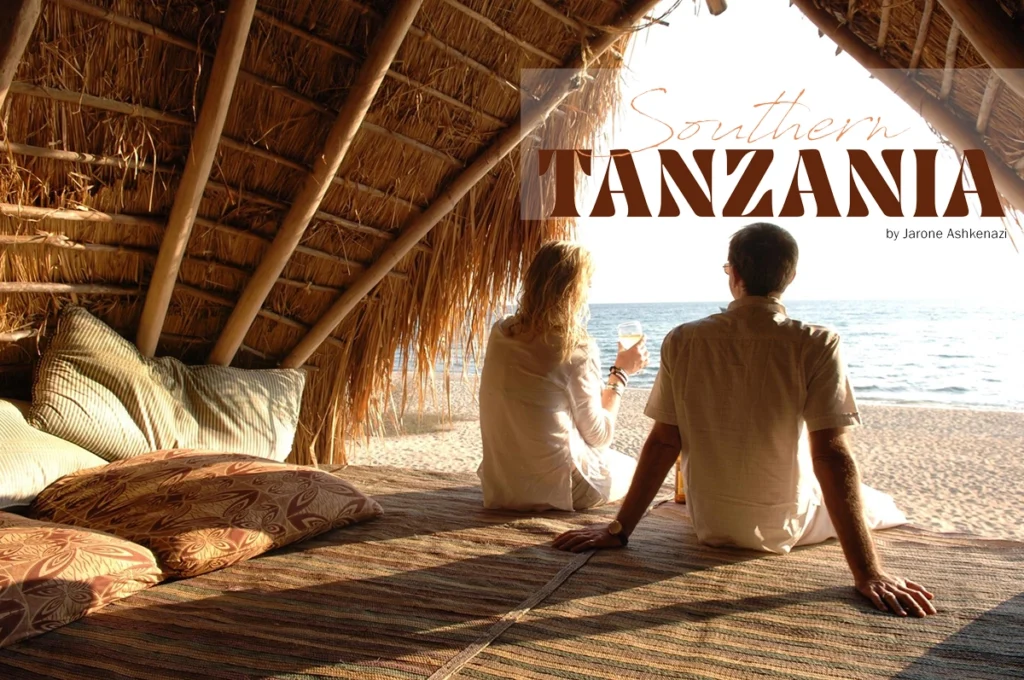
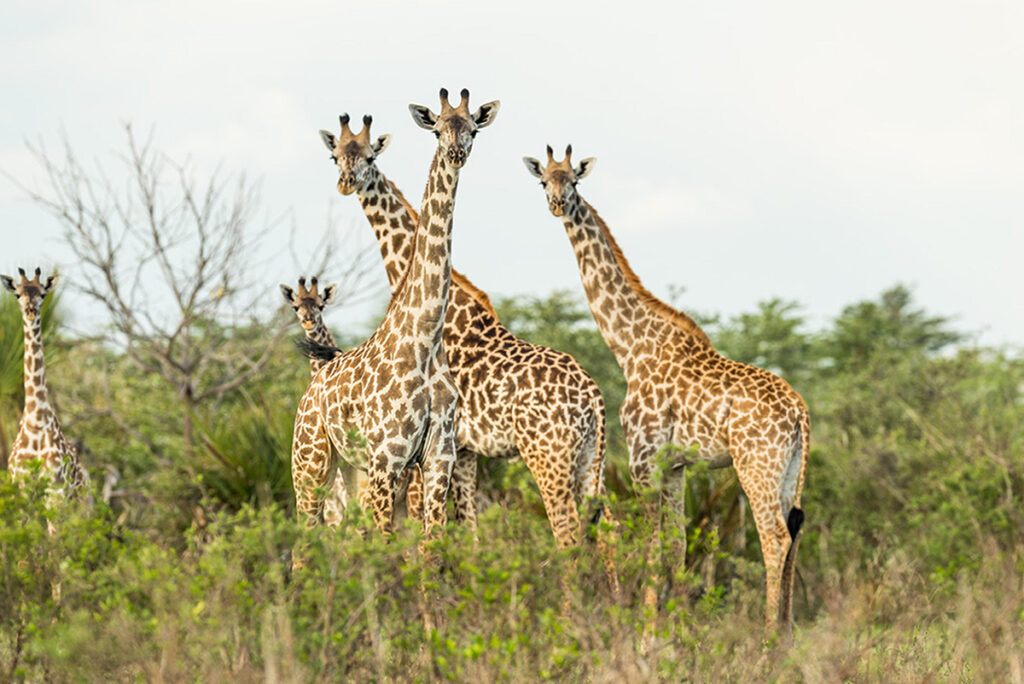
From its stunning wildlife, Zanzibar’s beaches, cultural heritage and Mount Kilimanjaro, Tanzania is on many travelers’ bucket list. The year-round safari destination attracts adventure enthusiasts interested in trekking Africa’s highest peak and seeing the Serengeti’s Great Migration and Ngorongoro Crater. Contrasting this, Zanzibar’s pristine beaches and historical Stone Town draw beachgoers and history lovers. While northern destinations are extremely popular with tourists, and Envi Sisini Serengeti’s new luxury tented camp should be on everyone’s bucket list for 2025, exploring national parks in the southern circuit of the country with fewer crowds is a great option for those who are looking to uncover Tanzania’s hidden gems.

“Dar es Salaam, Tanzania’s largest city, is the gateway to Southern Tanzania and Zanzibar’s beaches and a good focal point when starting to plan,” according to Anja Naude, Go2Africa’s African Safari Expert. She continues, “The National Parks of Ruaha, Nyerere, Mahale Mountains and Katavi, offer a piece of rather remote and untouched Africa, and it’s rated as one of the most exclusive wildlife experiences on our continent. Other than having the animals all to yourself you can also enjoy boat safaris and walking safaris. Over and above that, it also easily pairs with some fantastic beach destinations, the best of both worlds, bush and beach.”

Whether you are interested in seeing the Big 5, experiencing the great wildebeest migration, swimming with whale sharks, or chimp trekking, here are some of the hidden gems in southern Tanzania for every type of traveler.

Part of the 17,000 sq mi Rungwa-Kizigo-Muhesi ecosystem, Ruaha National Park is a wildlife haven and is home to one of Tanzania’s largest elephant populations (around 10,000). Along with a rich variety of over 570 species of birds, the vast landscape is home to lions, cheetahs and the endangered African wild dog. Located at the center of the country, it is one of the largest national parks in Tanzania, but interestingly only about 1% of visitors to Tanzania go on a Ruaha safari. It is known as one of Tanzania’s best-kept secret safari spots and the dry months of June to October are best for a Ruaha safari. Perched among giant granite boilers with bird nest thatched roofs and wooden shutters, Asilia’s Jabali Ridge is the ideal spot to stay while at the park as it presents open views across the Ruaha savannah stretching all the way to the Mwagusi River. Its eight expansive suites are adorned with African-inspired décor, while the lodge is strategically positioned in the prime game viewing area of the park, where large herds of elephant and buffalo are frequently watched by resident prides of lions.

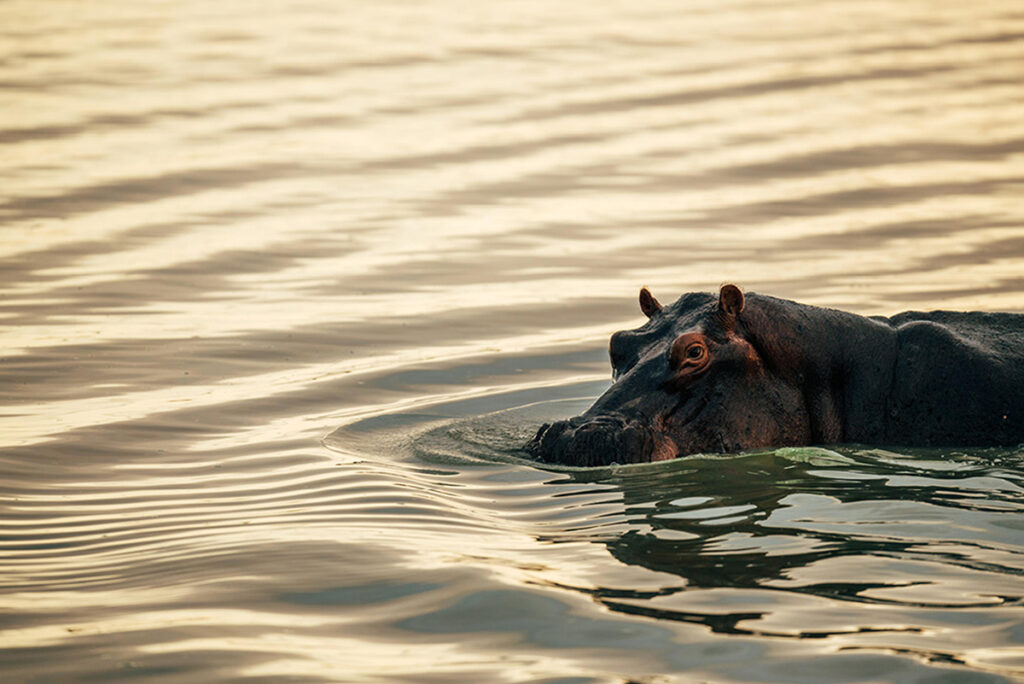
Nyerere National Park is Africa’s largest National Park and also remains relatively unknown to outsiders.

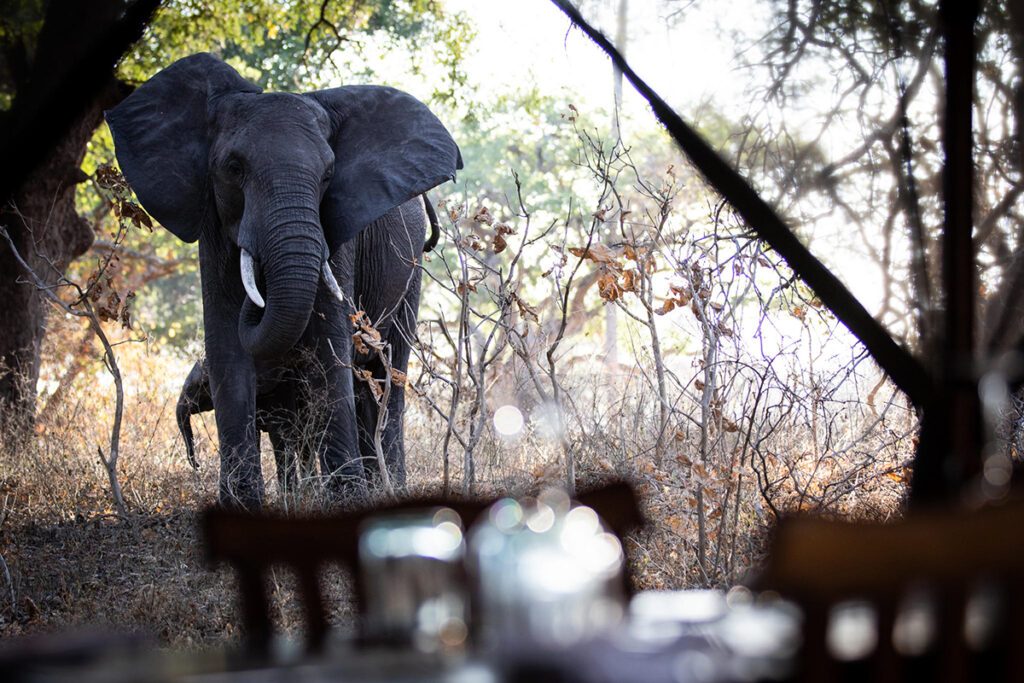
Nearly four times the size of the Serengeti, this massive conservation area is home to Africa’s Big 5 and all the top predators and is a real highlight on the southern circuit. Nyerere isn’t subject to the restrictions that govern Tanzania’s other national parks, so along with game drives and river cruises, travelers can go on guided walking safaris and have the opportunity to see the Big 5, the largest populations of endangered wild dogs, and more. With a name that translates as ‘Heart of the Selous’, Asilia’s Roho ya Selous is set on a hill overlooking the Rufiji River where elephants and buffalo herds make their way to water. Equipped with their own private veranda with breathtaking views and a natural air-conditioning system, the eight tented suites are newly built and being close to Lake Manze and Lake Nzerakera, guests are afforded the best game viewing in the reserve.

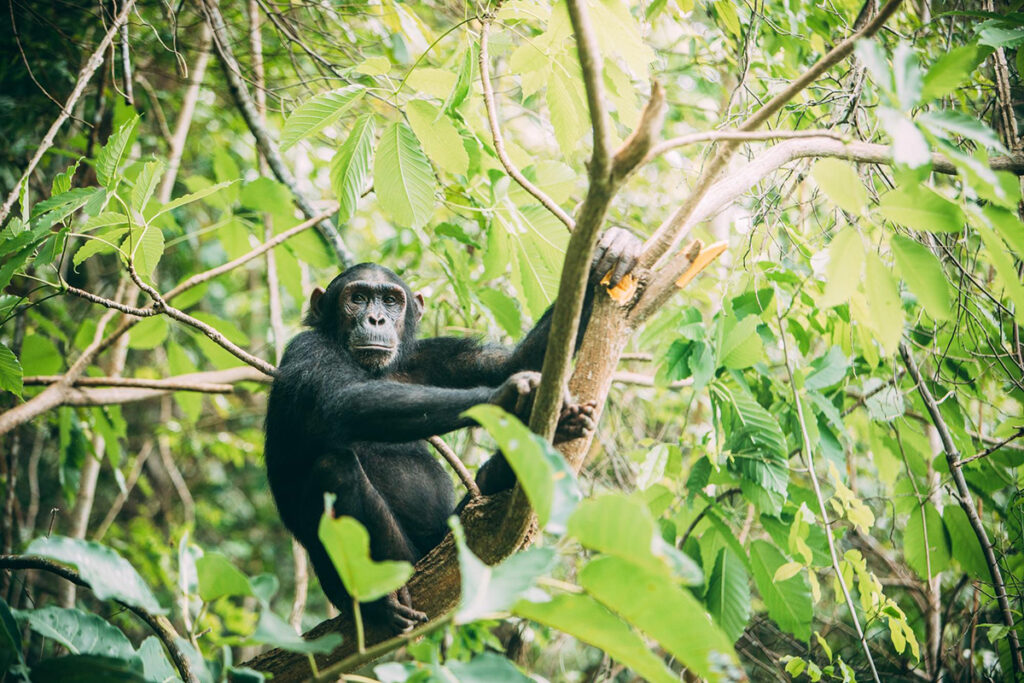
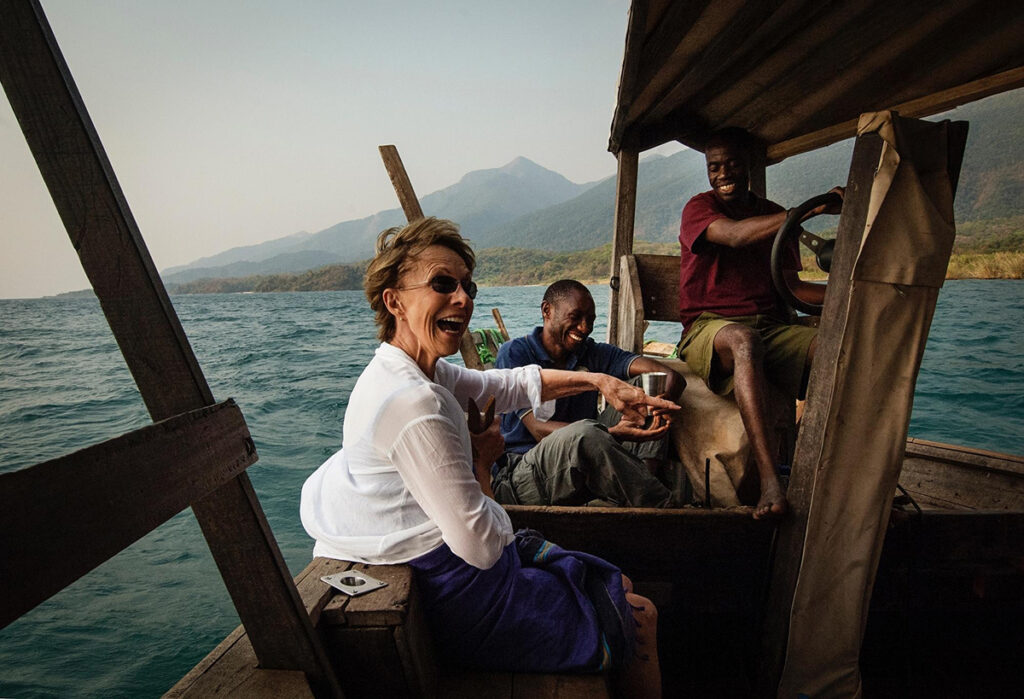
Accessible only by boat, Mahale Mountains National Park is known for its lush forests, lakeside beaches and chimpanzee treks.

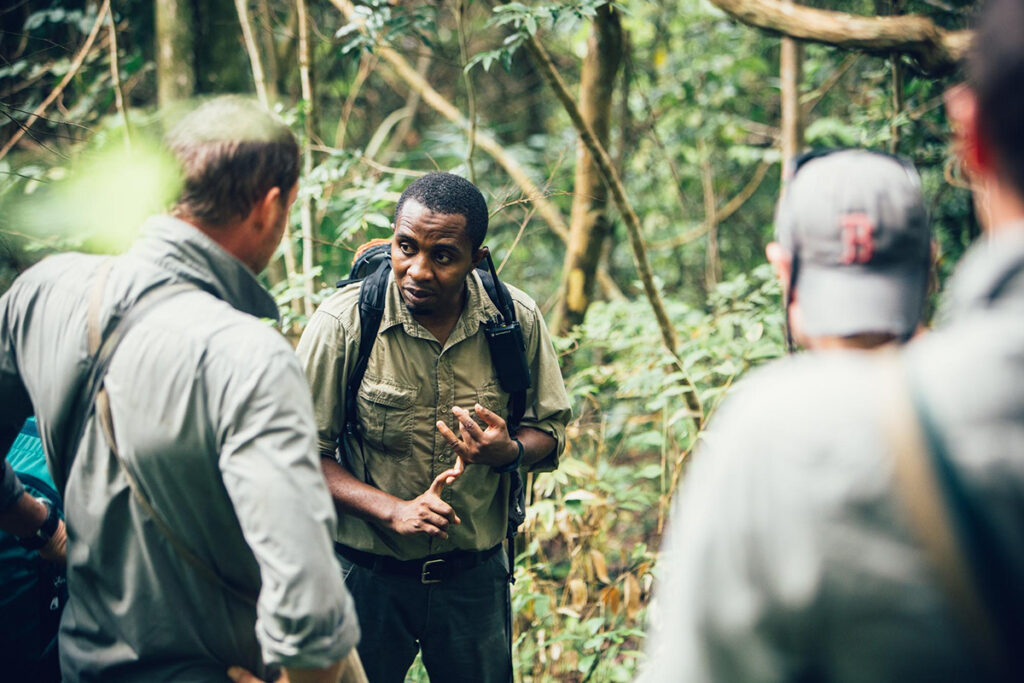
The truly hidden gem was born out of a need to protect the thousands of chimps that call the region home and because of this, it is home to the world’s largest known population of chimpanzees. The best time to visit is from July to October for chimp trekking, the lake’s footprint-free beaches are perfect for snorkeling, fishing and kayaking. Along with its 250 species of tropical fish to a variety of birds and butterflies as well as other animals in the forest like leopards, bushbucks and bush pigs, visitors can expect the most incredible sunset views. Offering lake views, the jungle-chic Greystoke Mahale is the perfect base camp for a chimpanzee adventure. Home to one of the best primatology guides on the continent, Butati is a chimp-whisperer extraordinaire who shares his knowledge and passion of these primates with all guests.

Accessible only by boat, Mahale Mountains National Park is known for its lush forests, lakeside beaches and chimpanzee treks.

The truly hidden gem was born out of a need to protect the thousands of chimps that call the region home and because of this, it is home to the world’s largest known population of chimpanzees. The best time to visit is from July to October for chimp trekking, the lake’s footprint-free beaches are perfect for snorkeling, fishing and kayaking. Along with its 250 species of tropical fish to a variety of birds and butterflies as well as other animals in the forest like leopards, bushbucks and bush pigs, visitors can expect the most incredible sunset views. Offering lake views, the jungle-chic Greystoke Mahale is the perfect base camp for a chimpanzee adventure. Home to one of the best primatology guides on the continent, Butati is a chimp-whisperer extraordinaire who shares his knowledge and passion of these primates with all guests.

A Symphony of Luxury at Salzburg

0

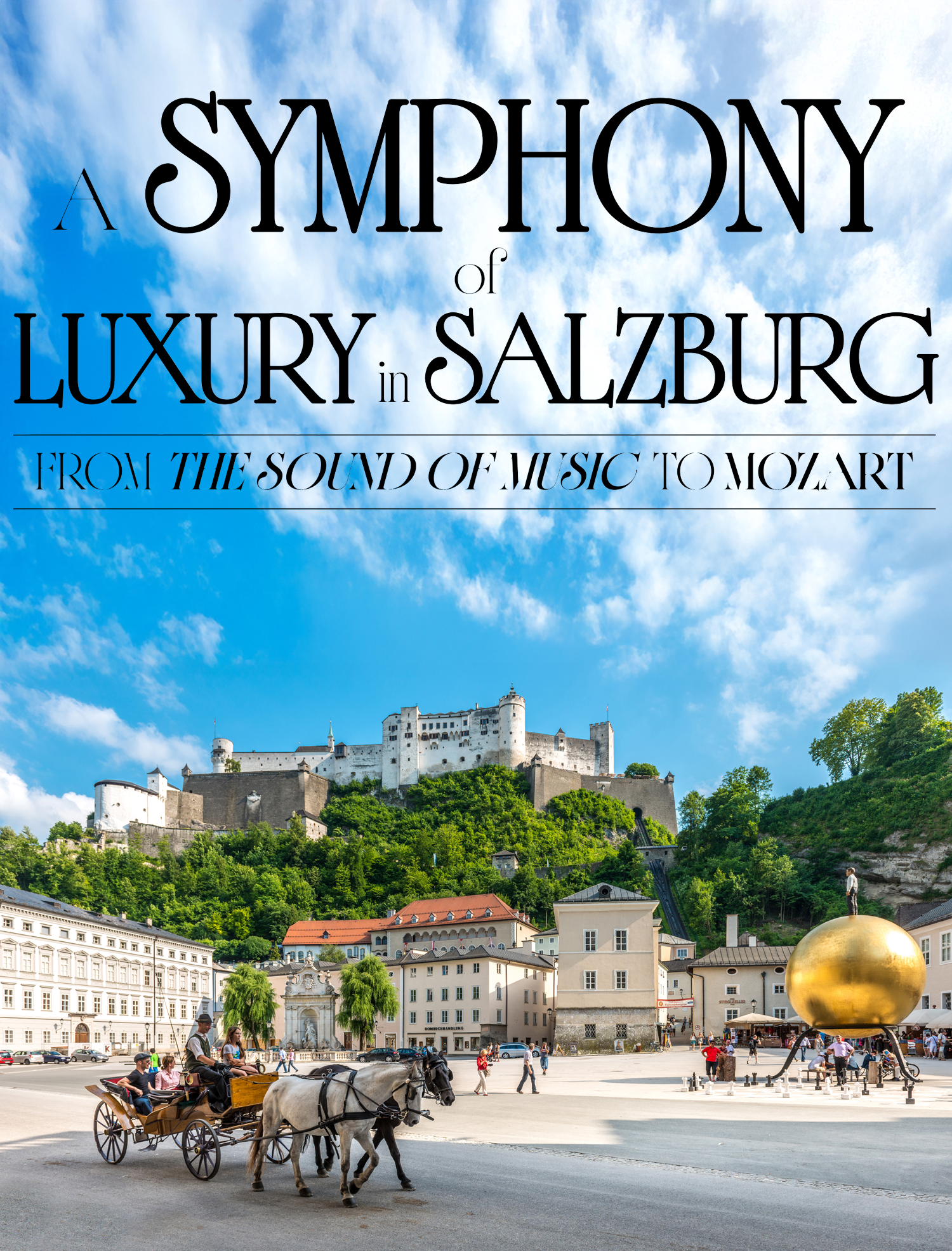
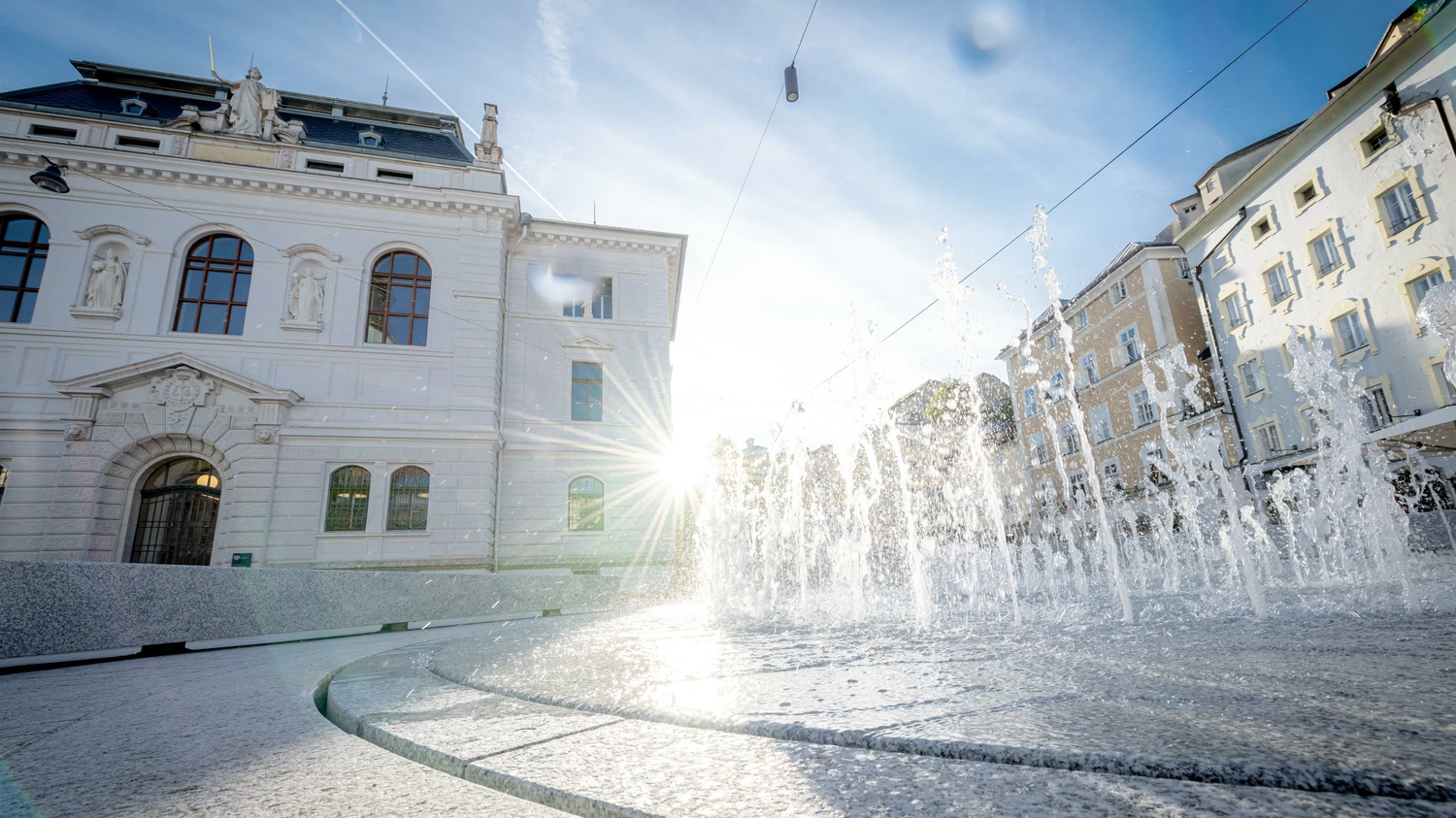
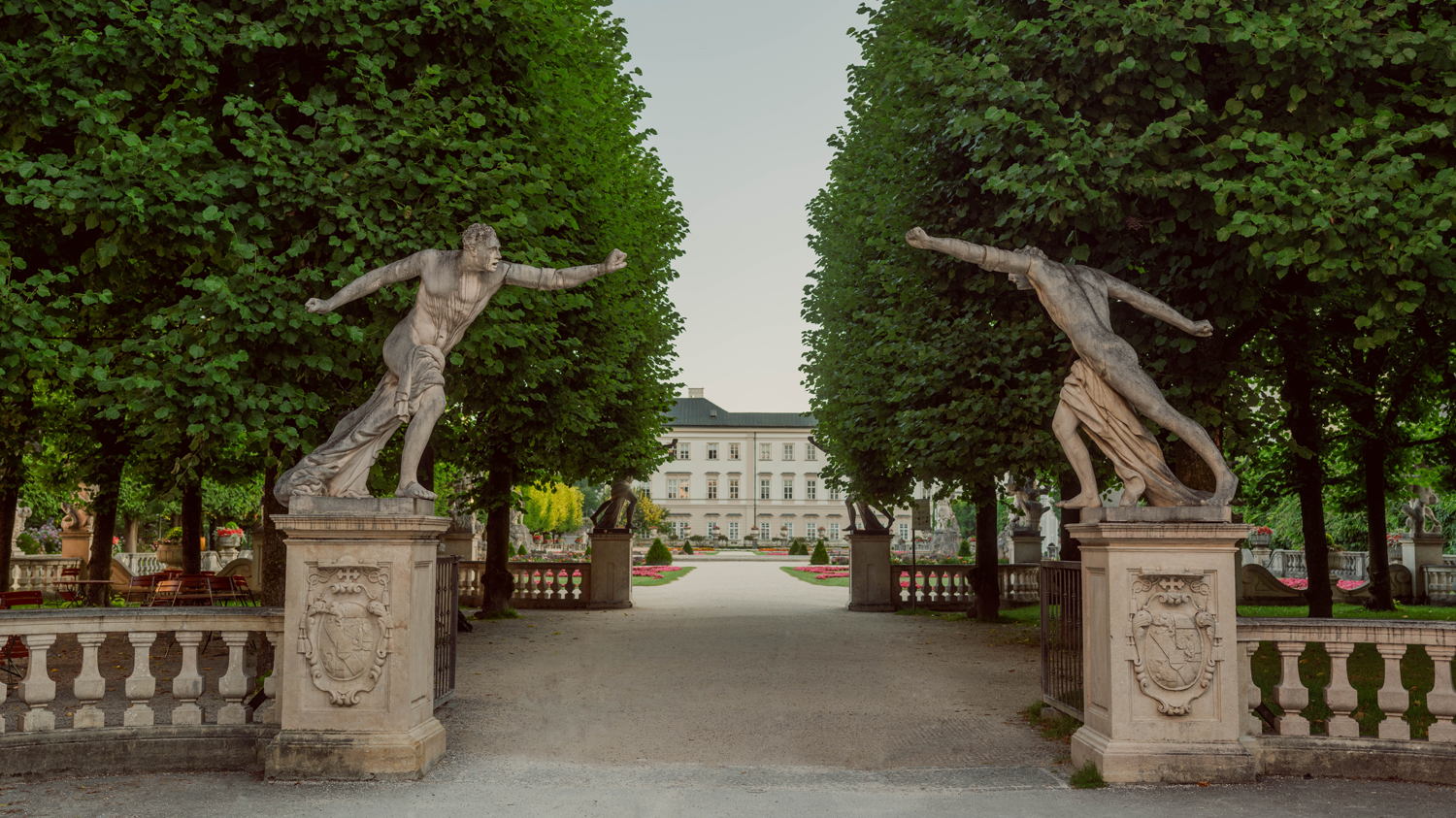
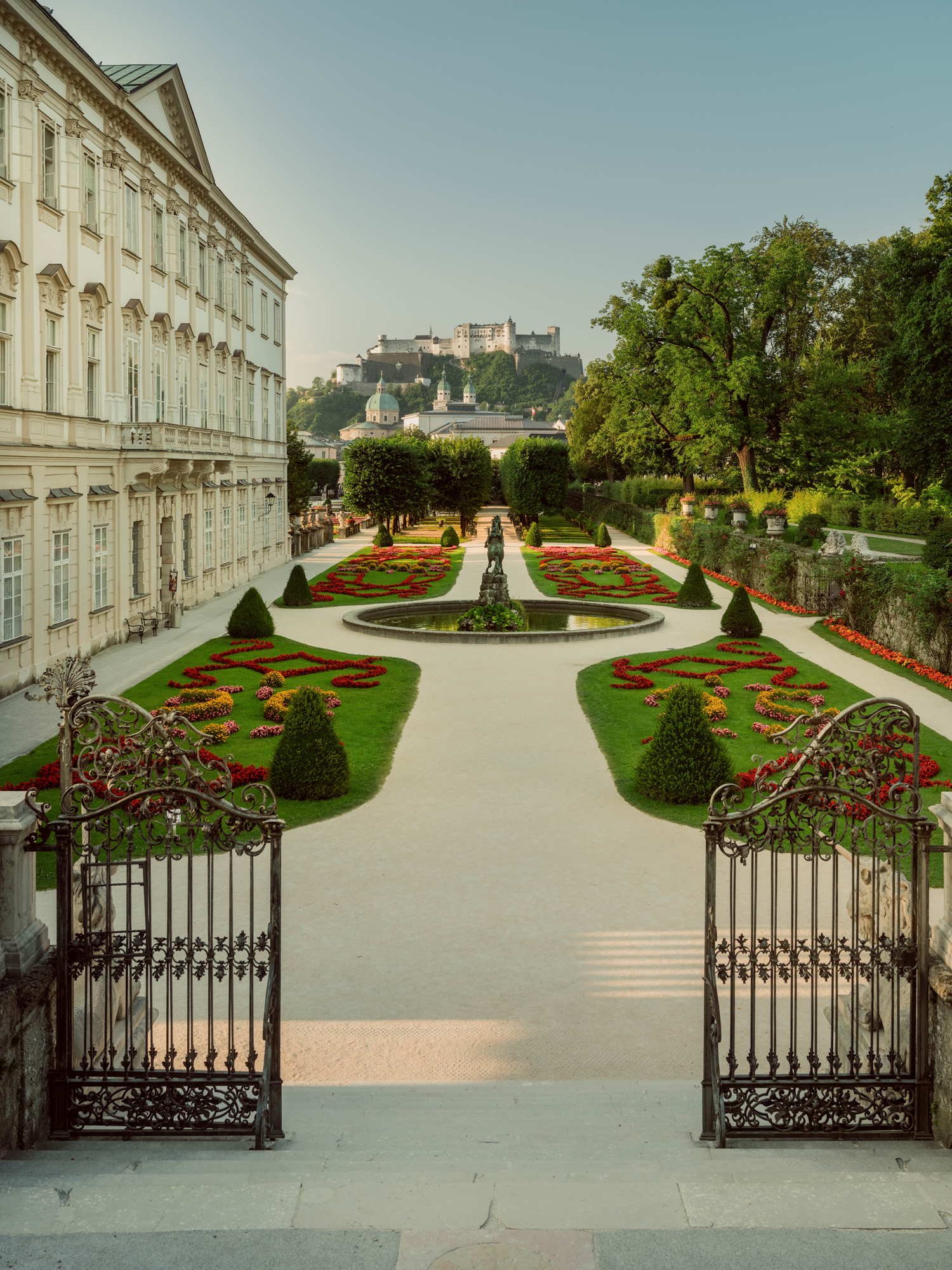
Salzburg, Austria, is a city where history, music, and alpine charm effortlessly intertwine—and experiencing it in style makes every moment feel like a scene from a movie. From the moment we arrived by train, we were swept into the city’s timeless elegance.

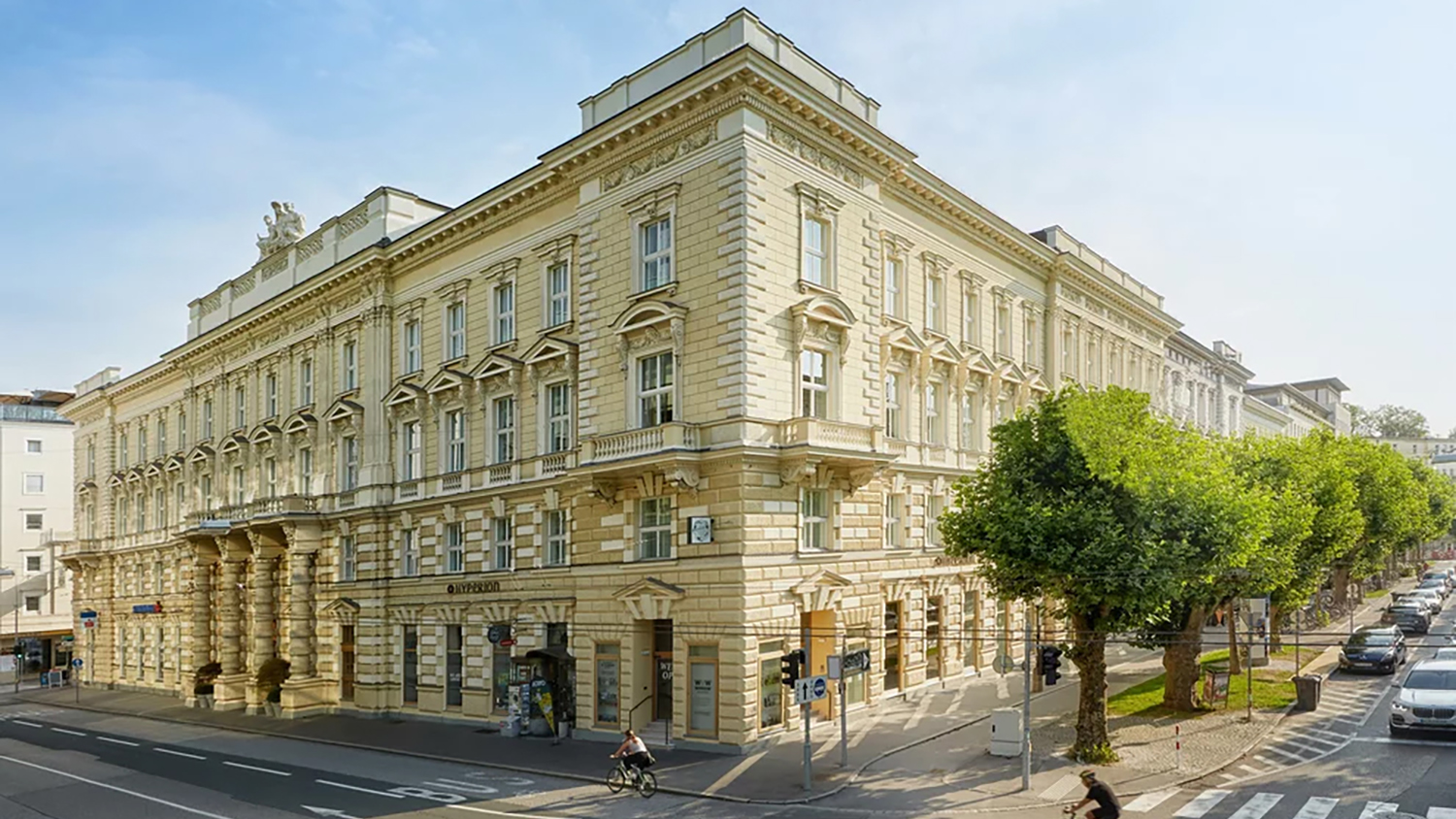
Our home for the stay was the Hotel Hyperion, a sophisticated retreat where contemporary comfort meets classic refinement. The moment we stepped into our room, we were captivated by the private balcony that framed sweeping views of the Salzach River and Salzburg’s historic rooftops. Watching the sunlight dance across the alpine backdrop while sipping a morning coffee became one of those quiet luxury moments we’ll never forget. Lunch at the hotel embraced the 60th anniversary of The Sound of Music, with a thoughtfully curated menu that playfully reimagined Austrian classics—it was whimsical, indulgent, and utterly delightful.

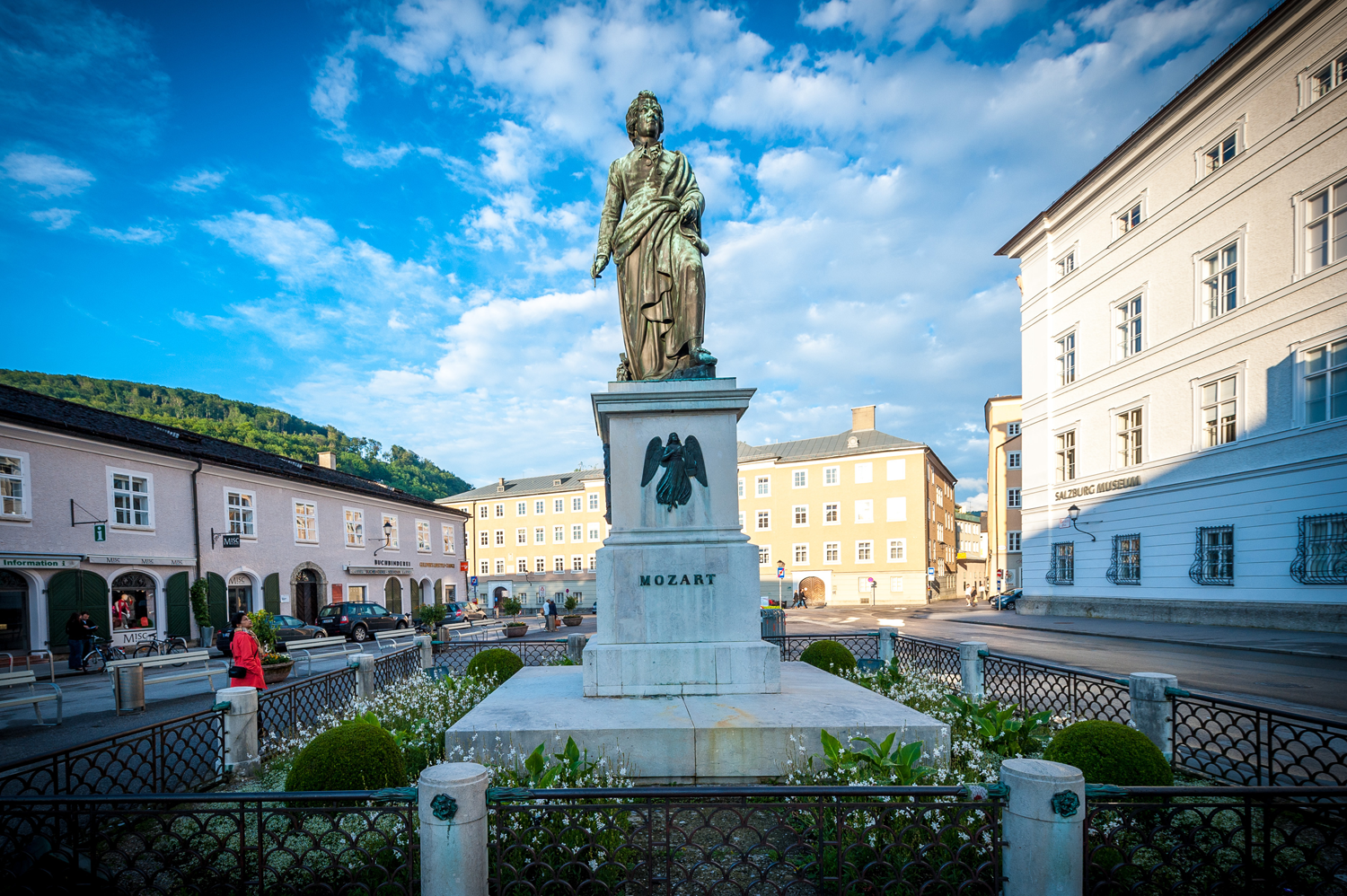
The afternoon was ours to explore Salzburg at a leisurely pace. Wandering through Mozart’s birthplace, marveling at the imposing Hohensalzburg Fortress, and discovering tucked-away museums and galleries, the city felt both grand and intimately welcoming. As the day faded into evening, we ascended to M32 for a sundowner dinner on the terrace. From this vantage point, Salzburg stretched out beneath us in a golden glow, every rooftop and spire basking in the warm light—a perfectly luxurious introduction to the city.

The next day, we embarked on the Original Sound of Music driving tour, weaving through the breathtaking Lake District that served as the backdrop for so many iconic film scenes. Traveling in comfort, we soaked in the landscapes while our guide shared stories and insights that brought the movie to life. Lunch at Sternbräu was a lively, sophisticated affair, a delicious pause before we continued our exploration with a guided city tour, admiring Salzburg’s architectural gems and secret corners that many visitors miss.

On our final day, we stepped into a different kind of magic with a walking tour led by Trudy Rollo of The Sound of Trudy. Retracing the steps of The Sound of Music, we wandered Salzburg’s charming streets, reenacting scenes from the film in intimate courtyards and picturesque squares. It was an immersive, playful experience that made the cinematic world feel real, personal, and utterly enchanting.

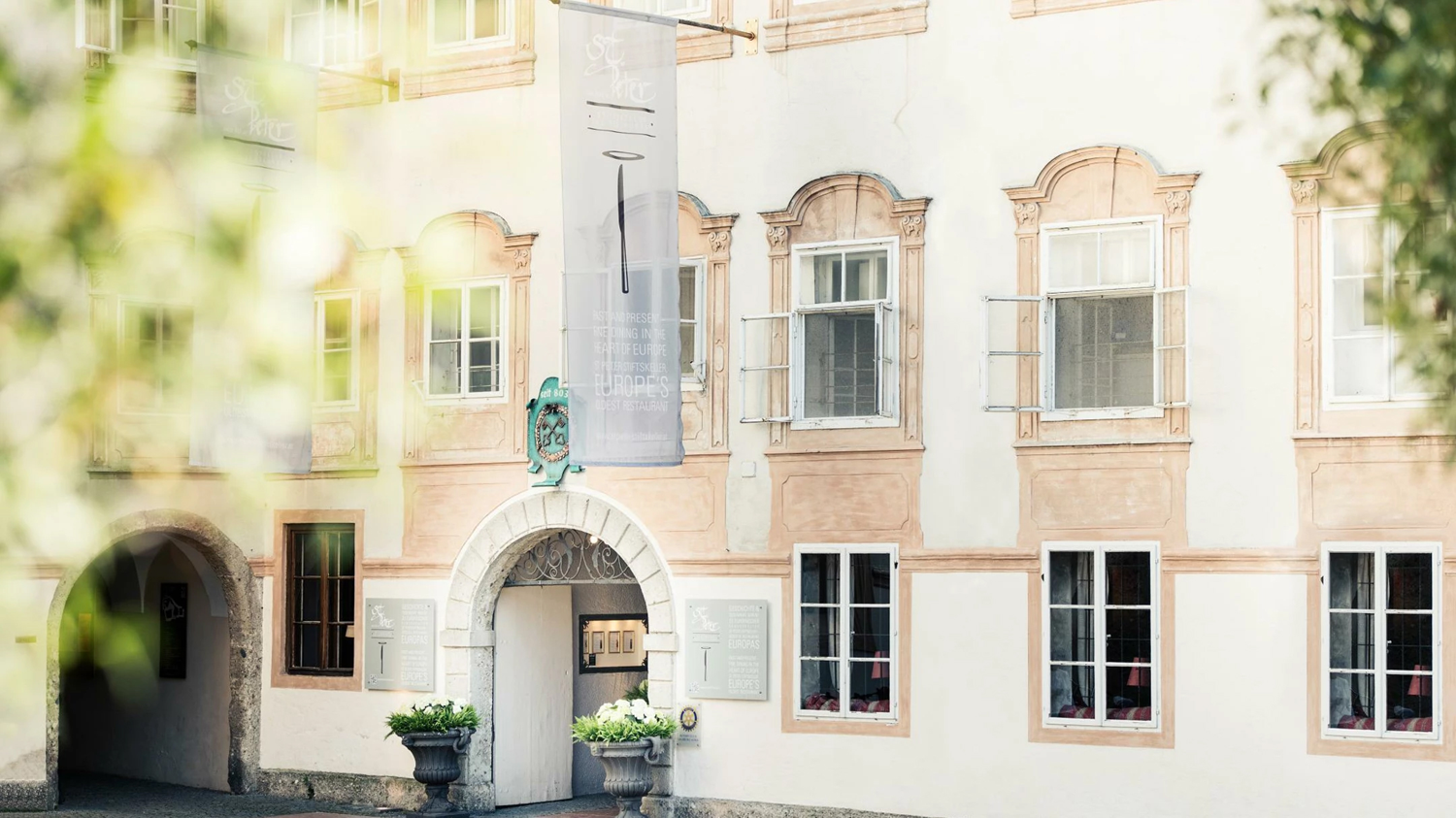
The day culminated in a truly unforgettable experience: a Mozart-themed dinner concert at St. Peter Stiftskulinarium. Dining in one of Europe’s oldest restaurants while the hall resonated with the composer’s masterpieces was nothing short of transcendent. Each course complemented the music, creating a multisensory celebration of Salzburg’s most famous son and a perfectly luxurious finale to our journey.

From the refined comforts and balcony views at Hotel Hyperion to immersive tours that combined cinematic nostalgia with musical genius, our Salzburg escape was more than a visit—it was a symphony of culture, history, and indulgence. Every moment felt carefully orchestrated for travelers who savor life’s finer notes

Beyond the Snow

It’s easy to think of St. Anton am Arlberg as a snow-draped legend — a place where ski runs carve through powder and après-ski soirées shimmer late into alpine nights. But there’s another rhythm to this storied village, one that hums long after the last lift closes. On the cusp of autumn, when golden light spills across the Tyrolean peaks and the air carries just a hint of crispness, St. Anton reveals its quieter, cooler side.

Our journey began in Zurich, where a private Arlberg Express transfer carried us from city chic to mountain majesty in a seamless sweep of comfort and scenery. The moment we left the bustle behind, the world began to expand — roads winding through emerald valleys, dotted with chalets, wildflower meadows, and glimpses of soaring peaks that seemed to beckon. It was a transition from tempo to tranquility, from schedules to stillness. By the time we arrived at the Hotel Alte Post, nestled in the heart of St. Anton’s village, the shift was complete.

Where Heritage Meets Haute Hospitality

Hotel Alte Post is the kind of place that blends the best of old-world charm with understated luxury. Its timbered façade, adorned with flower boxes, hints at a proud past; inside, there’s a contemporary warmth that feels more like a private alpine retreat than a hotel. Plush rooms open to views of the surrounding peaks, and after check-in, we lingered in the lounge where the scent of pinewood mingled with the faint trace of spa oils.

That balance — between tradition and indulgence — became a theme throughout our stay. Dinner that first evening was a refined affair, as part of the hotel’s half-board offering: locally inspired cuisine that celebrated Tyrolean roots with a modern twist. After a day of travel, a fine Austrian wine, regional cheeses, and slow-roasted lamb felt perfectly aligned with the mountain mood.

E-Bikes, Adrenaline, and Alpine Stillness

The next morning began with breakfast — flaky pastries, fruit compotes, and the kind of coffee that seems to taste better at altitude. Outside, our guide awaited with e-mountain bikes ready to roll. The day’s plan: an E-Bike and Hike Tour to the mountain lake Schottsee.

If the phrase “adventure therapy” ever needed a definition, this was it. The trail wound upward through pine forests, meadows glowing in late-season sunlight, and crisp alpine air that seemed to sharpen every sense. The e-bikes offered just enough power to turn steep ascents into effortless glides, allowing us to focus on the scenery instead of the strain.

Halfway through the ride, a pause — the hush of nature replacing the hum of wheels. From that vantage point, St. Anton’s landscape unfolded in layers of green and gold, punctuated by the occasional cowbell echo. It was spectacular, adrenaline-inducing, and quaint all at once — a juxtaposition that defines the region itself.

Lunch at Konstanzer Hütte was rustic luxury embodied: wooden tables under the sun, hearty alpine fare, and that unmistakable sense of reward that comes only after you’ve earned your meal. When we finally descended back into the village, we carried a calm energy — the kind that can only come from immersion in the outdoors.

Wellness, Reimagined

Afternoons in St. Anton have their own tempo. After the thrill of adventure, Hotel Alte Post’s wellness area beckoned. A swim, a sauna, and the faint scent of cedarwood lingering in the air — it was the ideal counterpart to the morning’s activity. Here, wellness isn’t an afterthought; it’s woven into the very rhythm of the village.

Evenings were unhurried. Strolling the cobbled streets, peering into boutiques, or lingering over dessert in the hotel restaurant — every moment carried that alpine ease. St. Anton’s reputation as a “global village for mountain sports” holds true, but what truly defines it is its versatility. It’s a destination that gives you permission to play hard and rest well, no matter the season.

Beyond the Slopes

As twilight descended over the peaks, it struck me how easy it is to overlook destinations like this when the snow isn’t falling. Yet, St. Anton’s allure goes far beyond the slopes. The same terrain that challenges skiers in winter becomes a playground for hikers, bikers, and explorers the rest of the year. The charm of the village — its blend of authenticity and polish — never fades.

There’s a moment, perhaps best experienced just after sunset, when the sky turns lavender and the church bells echo faintly across the valley. The streets quiet, the air cools, and you realize that the magic of the Alps isn’t seasonal. It’s constant — waiting for anyone willing to see it differently.

An Invitation to Plan Ahead

For readers flipping through these pages between December and March, St. Anton may already be on your radar for winter skiing — and rightfully so. But as you sip that hot chocolate or plan your next snowy escape, consider looking beyond the slopes. Imagine arriving when the colors shift from green to gold, when trails replace runs, and when the Alps invite you to slow down rather than speed through.

Austria’s mountain villages have a way of reinventing themselves, and St. Anton leads that evolution. Whether you come for the thrill of an e-bike ride, the calm of a lakeside hike, or the luxury of a spa afternoon, the village proves that Austria is always cool — not just in the snow.

So, go ahead and plan that winter getaway. But while you’re at it, plan the next one too. Because in St. Anton, the magic never melts.

If You Go: St. Anton am Arlberg, Austria

Where alpine heritage meets year-round sophistication.

Stay: HOTEL ALTE POST, ST. ANTON. Historic yet effortlessly elegant, Hotel Alte Post captures the essence of alpine hospitality — think timbered charm, modern wellness spaces, and refined Tyrolean dining. Centrally located on Dorfstraße, it’s a haven for relaxation between mountain adventures. hotel-alte-post.at

Arrive in Style: From Zurich International Airport (ZRH), a private Arlberg Express transfer delivers you directly to St. Anton in just over two hours. The route itself is part of the experience — a cinematic journey through valleys, villages, and alpine vistas.

Adventure Awaits: Guided E-Bike & Hike Tour to Schottsee Lake — the perfect blend of exhilaration and tranquility. Expect crisp air, golden trails, and postcard-worthy views. Lunch at Konstanzer Hütte is a must for an authentic alpine table.

Wellness & Indulgence: Back at the hotel, unwind in the wellness area’s pools and saunas or book a signature treatment that draws on the healing power of the Alps. Evenings call for leisurely dinners and local wines that turn each meal into a celebration.

When to Visit: While winter may define St. Anton’s fame, its true elegance shines all year long. Autumn brings golden serenity; summer unveils lush trails. No matter when you arrive, Austria’s “Global Village for Mountain Sports” delivers cool — in every sense of the word.

Insider Tip: Pair your St. Anton stay with a scenic train ride to Ötztal or Salzburg to experience Austria’s mountain-to-music magic in one unforgettable itinerary.

From Fashion to Farming

0
By: Jarone Ashkenazi

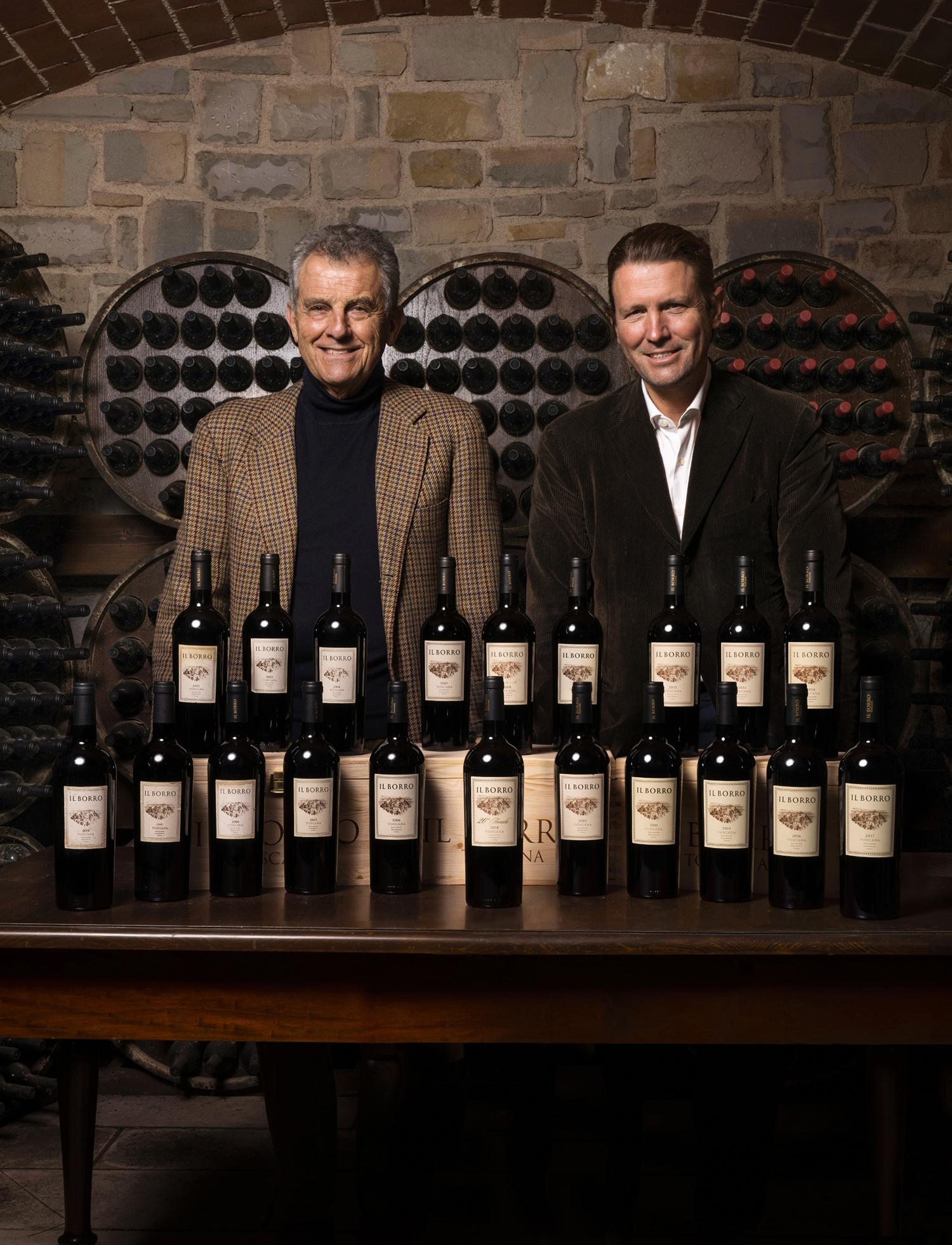
Enter a sanctuary of sustainability, luxury, and most notably—wine in the rolling, sun-drenched hills of Tuscany. Once a forgotten medieval village, Il Borro has become a modern beacon for eco-conscious winemaking, thanks to the vision of Ferruccio Ferragamo and his children. Purchased by the Ferragamo family in 1993, the estate has evolved into a five-star destination where tradition meets innovation, and where wine takes center stage.

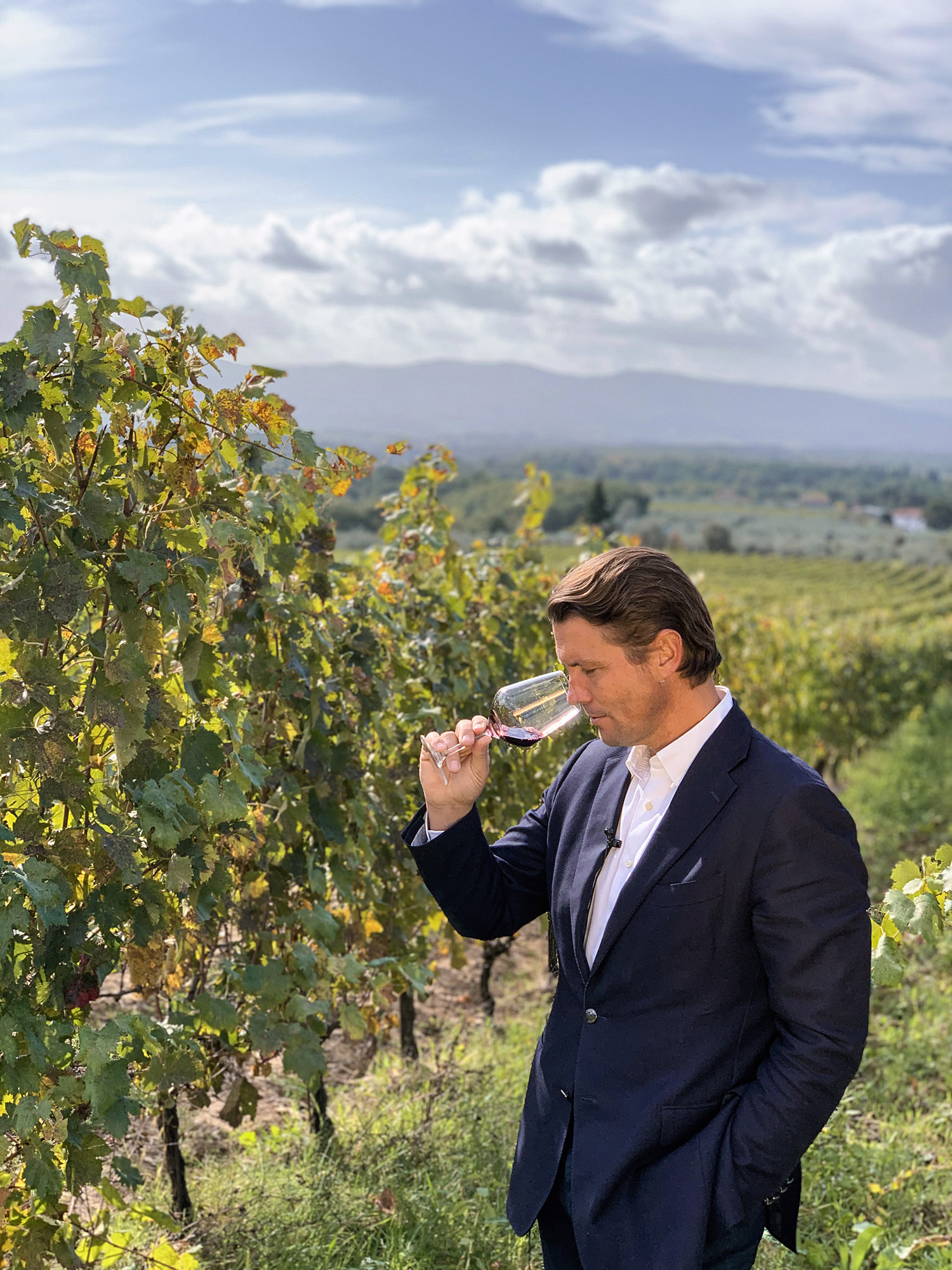
Through its tree-lined majestic entrance, guests enter a beautiful Tuscan paradise. With 1,100 hectares of pristine countryside, Il Borro lies in the heart of Valdarno di Sopra, one of Tuscany’s oldest and most promising wine regions. The estate now boasts 85 hectares of organically cultivated vineyards, producing award-winning wines that reflect both the unique terroir and the Ferragamos’ deep-rooted commitment to the land.

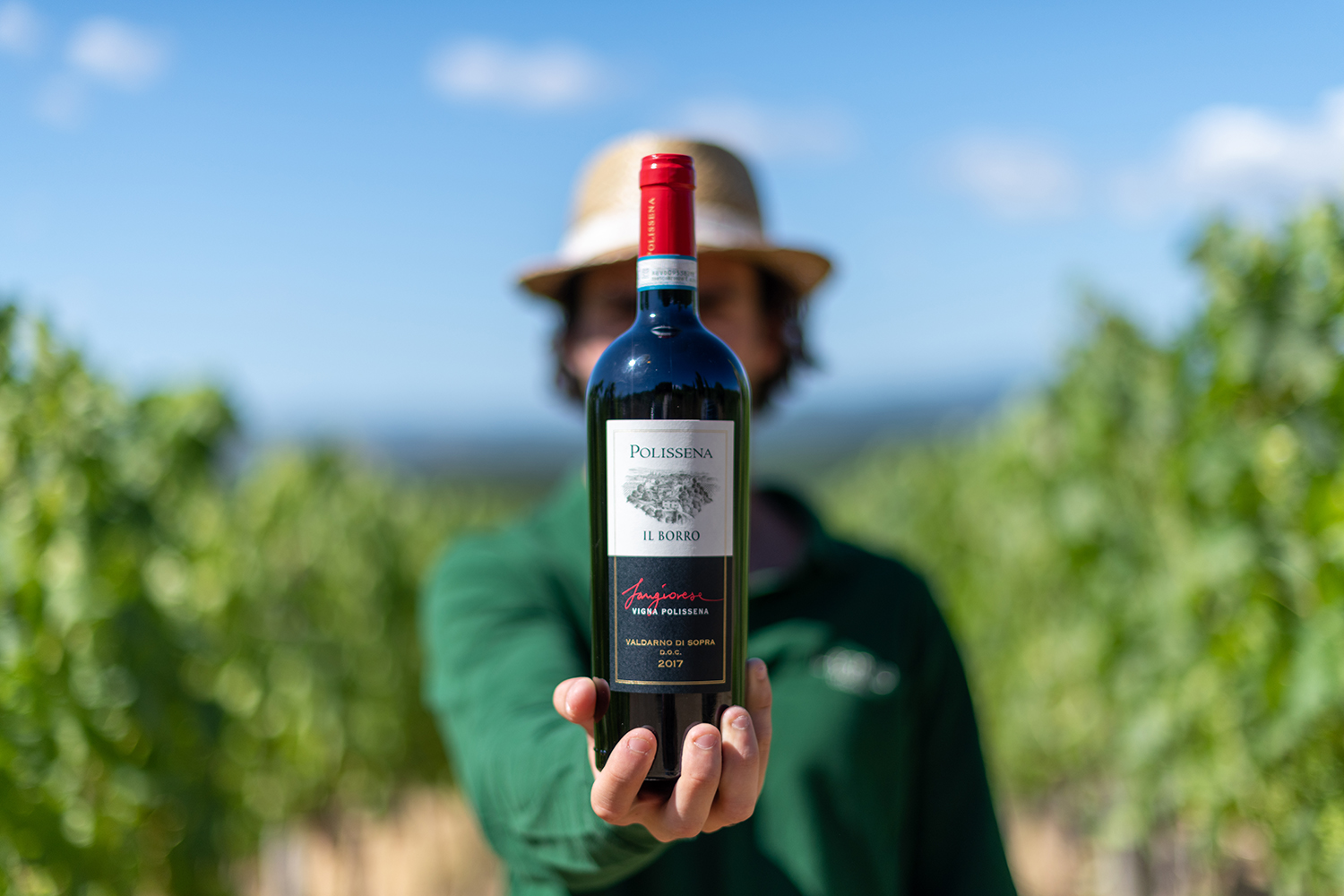
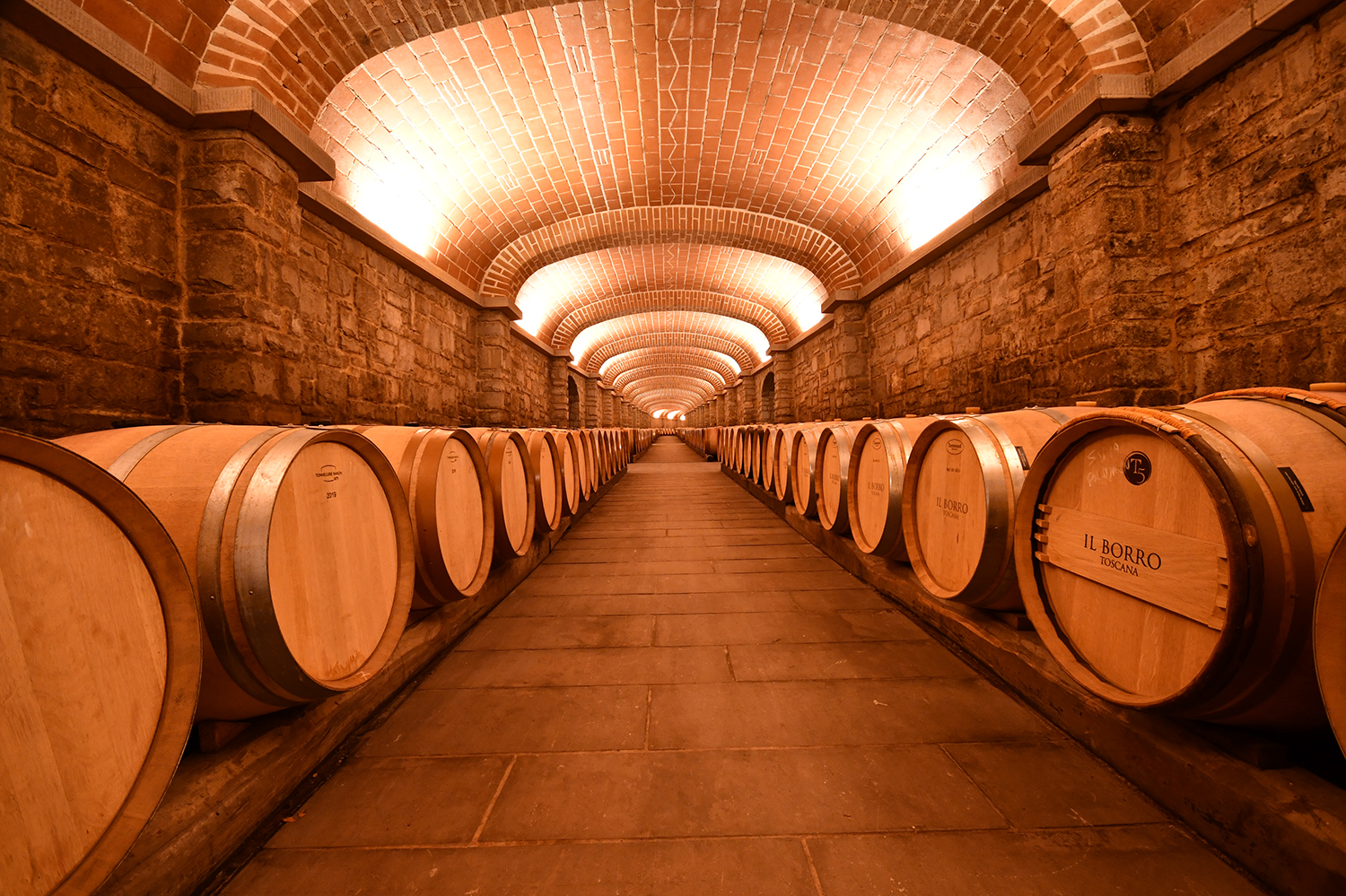
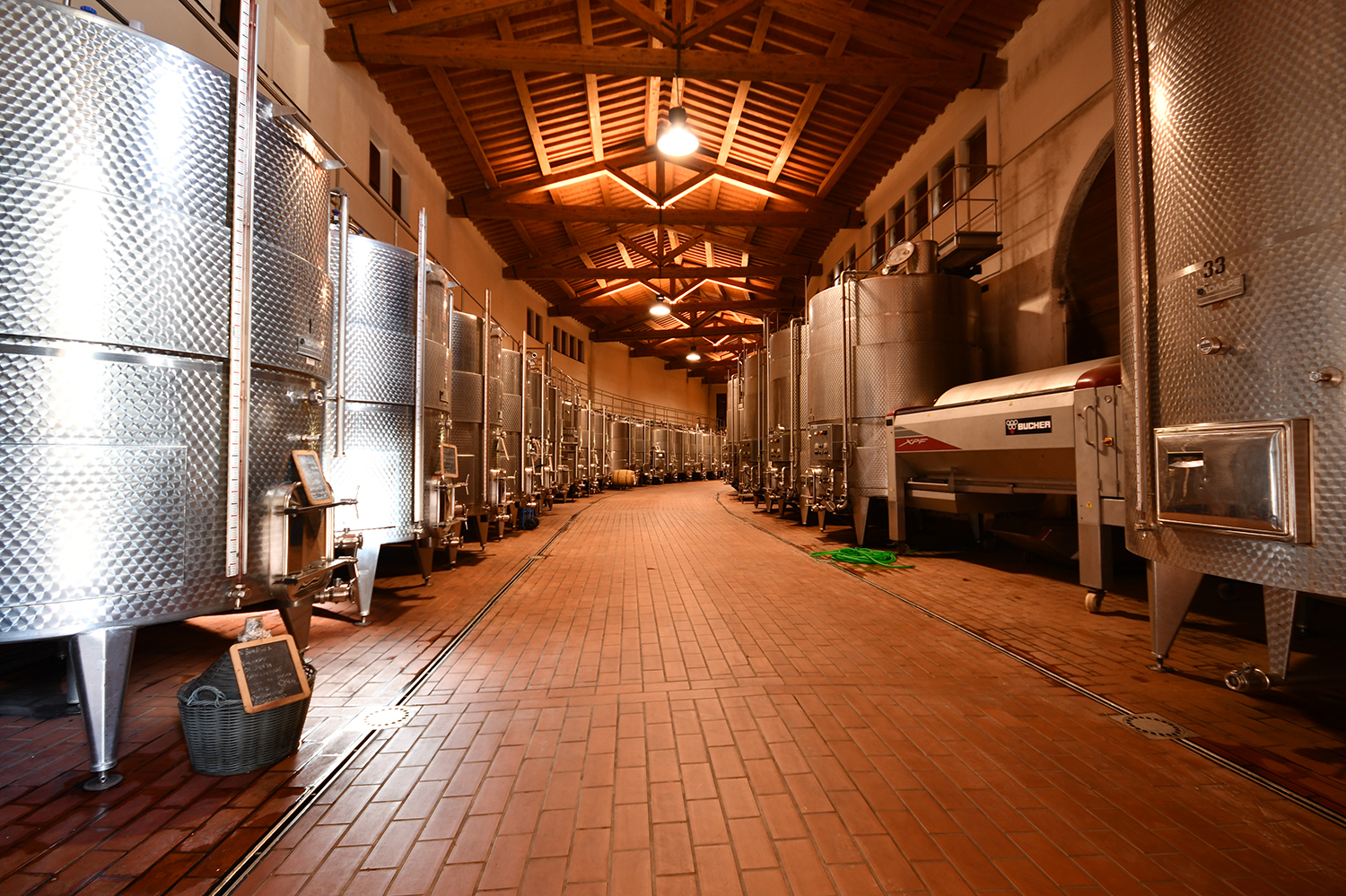
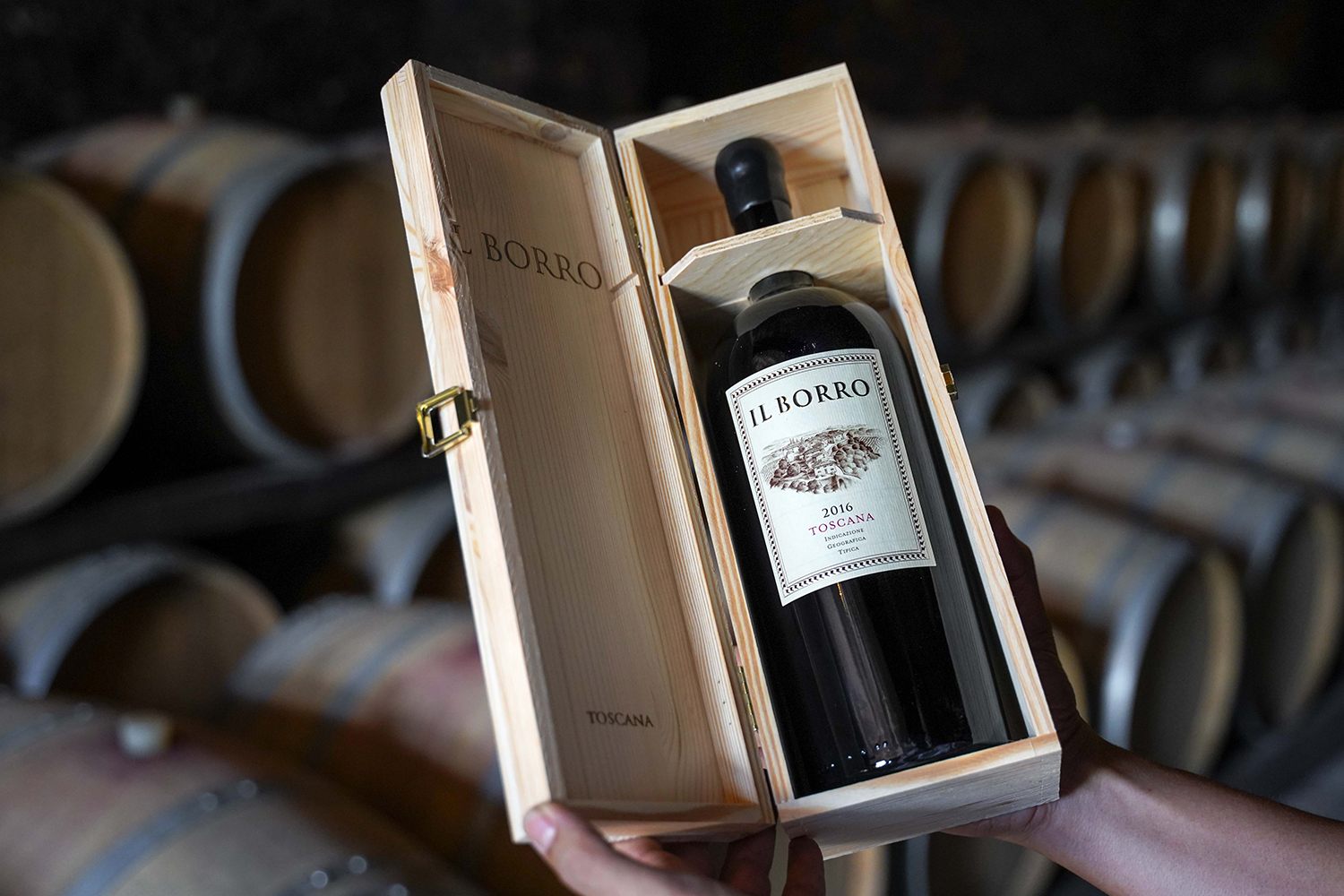
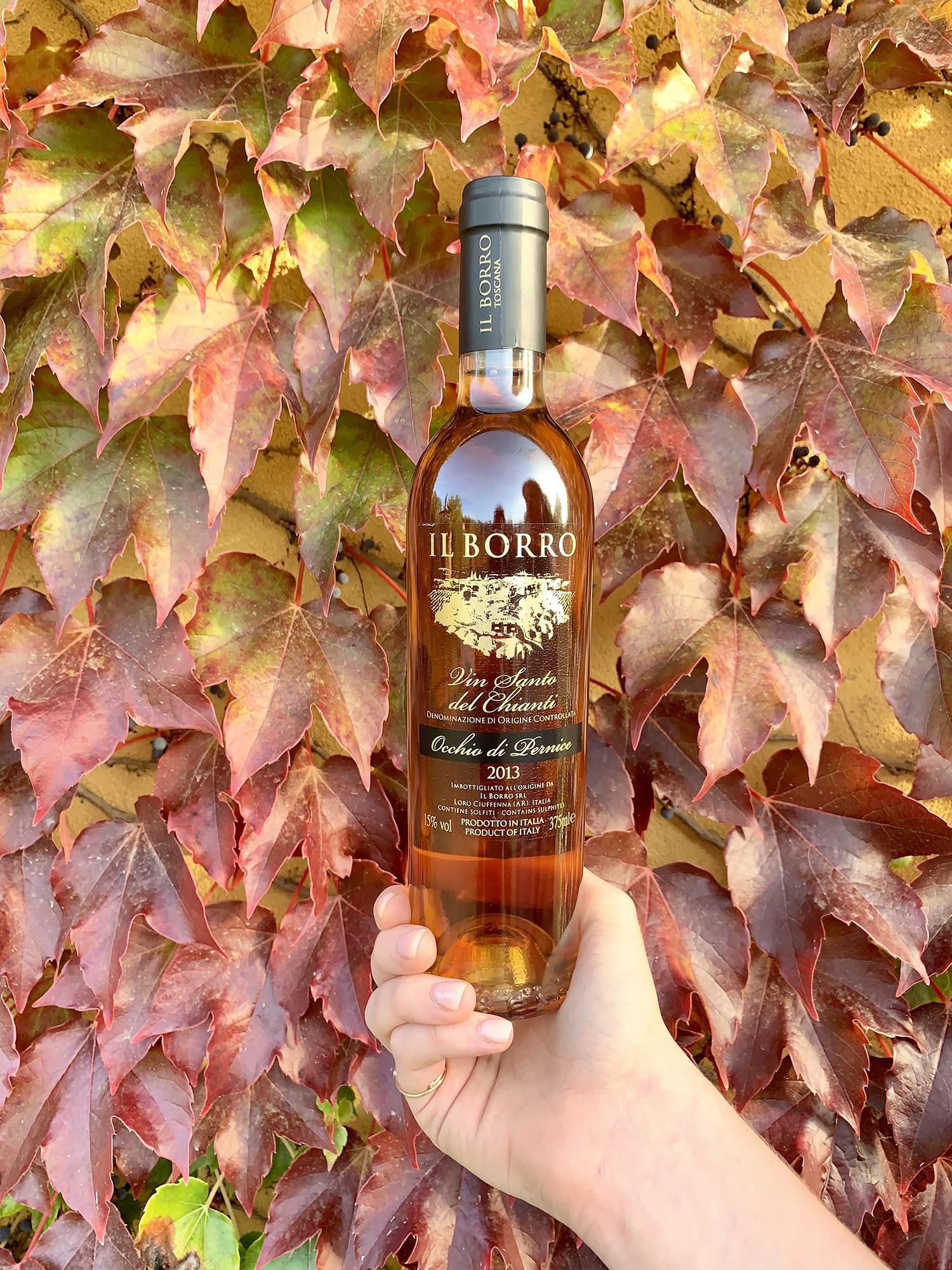
At the helm of Il Borro’s wine making is Salvatore Ferragamo, who has led the estate’s transition to fully organic and biodynamic practices. The wines—ranging from elegant reds to crisp whites and a distinctive Vin Santo—are all crafted in the estate’s centuries-old cellar, where traditional techniques meet state-of-the-art sustainability. Guests can visit this atmospheric cellar on curated wine tours that trace every step of the winemaking process, from vineyard to glass. 

Il Borro’s immersive wine experiences go far beyond tastings. The Wine & Art Gallery, in the heart of the estate, offers guests an artistic journey through Il Borro’s wine philosophy, combining contemporary art with deep dives into the estate’s vintages. For those seeking a more hands-on experience, Il Borro’s enological workshops invite guests to blend their own wine, participate in harvest activities, or enjoy vertical tastings of some of the estate’s finest labels.

Wine is also a key thread running through Il Borro’s culinary offerings. At Osteria del Borro, Chef Andrea Campani crafts exquisite dishes that highlight the estate’s organic produce and pair perfectly with their wines—like the signature pheasant tortello with black truffle, ideally matched with Il Borro’s bold Syrah or the elegant Polissena Sangiovese. Meanwhile, the Il Borro Tuscan Bistro and Vincafé offer relaxed settings to savor local flavors alongside the estate’s selections, all framed by unforgettable Tuscan views.

Beyond its winemaking, sustainability is ever-present as food plays a central role to its hotel guests and non-resident customers. Gathering produce from its organic farm which respects the season’s cycles, freshness and quality are evident in each of the three dining establishments. The farm estate, with its horses, chickens and Chianina cows, is essential for the production of the materials required for biodynamic methods. All the animals are fed with fodder and organic feed produced on the estate itself and Il Borro is also a beekeeper, which plays a crucial role in the pollination of a wide range of crops and wild plants.

Of course, Il Borro isn’t just about wine—it’s about living the Tuscan lifestyle. The estate includes three private villas, 38 luxury suites, and three charming farmhouses designed with local craftsmanship and sustainable elegance. Each accommodation immerses guests in nature, tranquility, and the rhythms of country life. From walking the vineyard trails at sunrise to sipping a glass of Rosé as the sun sets over the hills, Il Borro invites guests to slow down and savor.

Beyond wine, guests can explore an array of curated experiences: from horseback riding and truffle hunting to artisan workshops where you can try your hand at shoemaking or jewelry design.

To explore Tuscany in more depth, the best choice is Access Italy for a personalized tour of the beautiful region. They’re curators of personalized, off-the-beaten-path Italian experiences for discerning travelers. A typical day in Tuscany can begin with a hot-air balloon ride with champagne breakfast curated by Access Italy before a truffle hunt with trained dogs in the rolling hills of Siena or Arezzo. After finding the edible buried treasures, you will take a cooking class (paired with exquisite Super Tuscan wines, of course) in the elegance of a rustic cellar, creating memories to savor for a lifetime.


To round out the enchanting stay at this village, Spa La Corte provides the link between the unspoiled natural landscape and a relaxing atmosphere that brings harmony and balance to body and mind. The wellness oasis offers a range of high-end facial and body treatments with products by Bakel skin care as well as the exclusive “Sensoriali del Borro”: a body massage with extra virgin olive oil from Il Borro. Guests can enjoy the fitness area, Spa Suite with Jacuzzi, Turkish bath, sauna and relaxation area as well as the swimming pool with breathtaking views of the hilltops and medieval village.


Under the stewardship of Salvatore and his sister Vittoria Ferragamo—who oversees the organic gardens and sustainability projects—Il Borro has become a model for environmentally respectful luxury. From vineyard management to beekeeping, from energy-efficient buildings to biodynamic farming, every aspect of the estate reflects a deep harmony with nature.

At Il Borro, the Ferragamos have done more than restore a village—they’ve created a living, breathing example of how a fashion dynasty can turn its legacy into something profoundly rooted in the earth. For lovers of wine, sustainability, and slow living, Il Borro is more than a destination—it’s a taste of Tuscany as it was meant to be experienced.