Home Blog Page 11

Swellegant Stays: The Bird – Bath, England

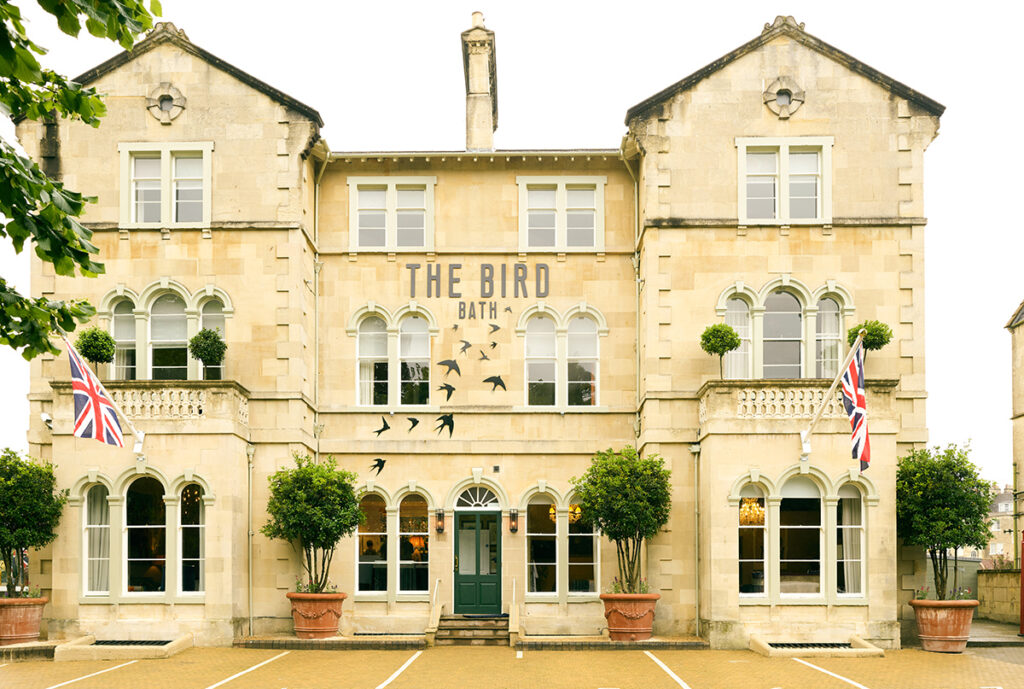
Ornithophobic? If you are afraid of birds you had probably better stay away from this brilliantly bonkers bird-themed hotel in the popular British tourism destination of Bath. Though the city typically sells itself on its Roman baths, Regency architecture, and connections with Jane Austen, The Bird shows off Bath’s more youthful, creative side. It’s the ideal spot to stay for those who want to be within easy walking distance of the tourist sites but enjoy a more contemporary style.

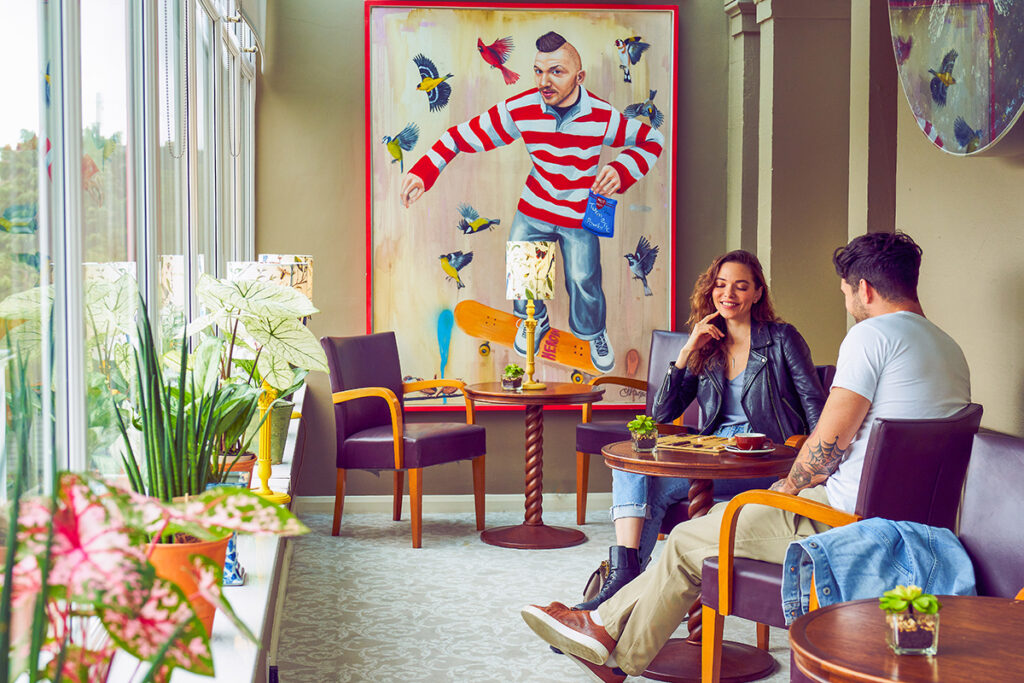
The Bird is a large stone property looking out across Bath Rugby ground and to Bath Abbey beyond. The lobby and living room feel like part of someone’s home, with plenty of comfortable armchairs and couches scattered with bright cushions, eclectic artwork on the walls, and a pantry where you can help yourself to soft drinks and snacks. The staff may be at the desk (which is decorated with a collage of porcelain plates painted with birds), or in the bar downstairs: the atmosphere is wonderfully casual, though there’s always someone nearby to help.

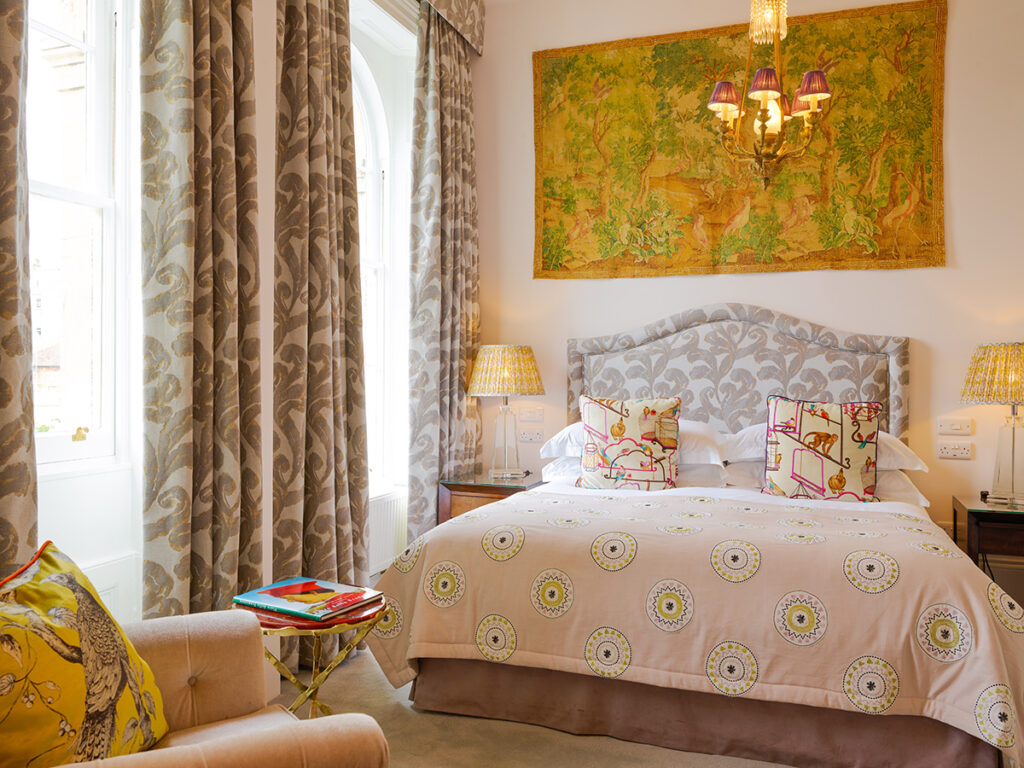
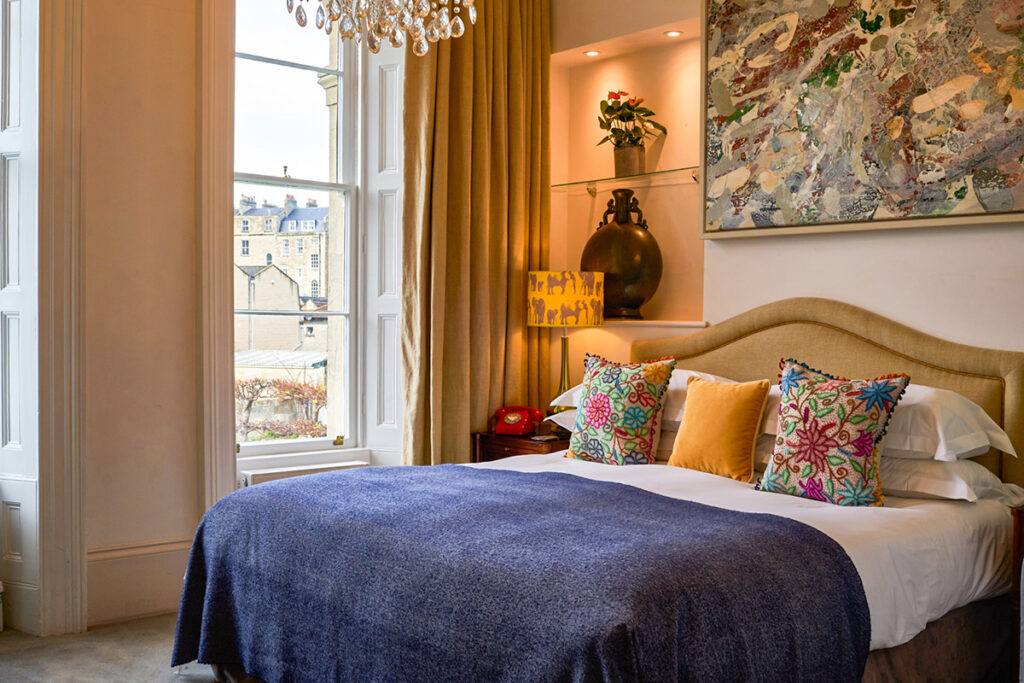
Rooms and suites are divided between the main house and the garden; they’re all spacious and brilliantly designed. Whichever room you choose, there will be intriguing art to admire, lush fabrics, and theatrical touches such as free-standing copper baths, gilded mirrors, and even chandeliers.

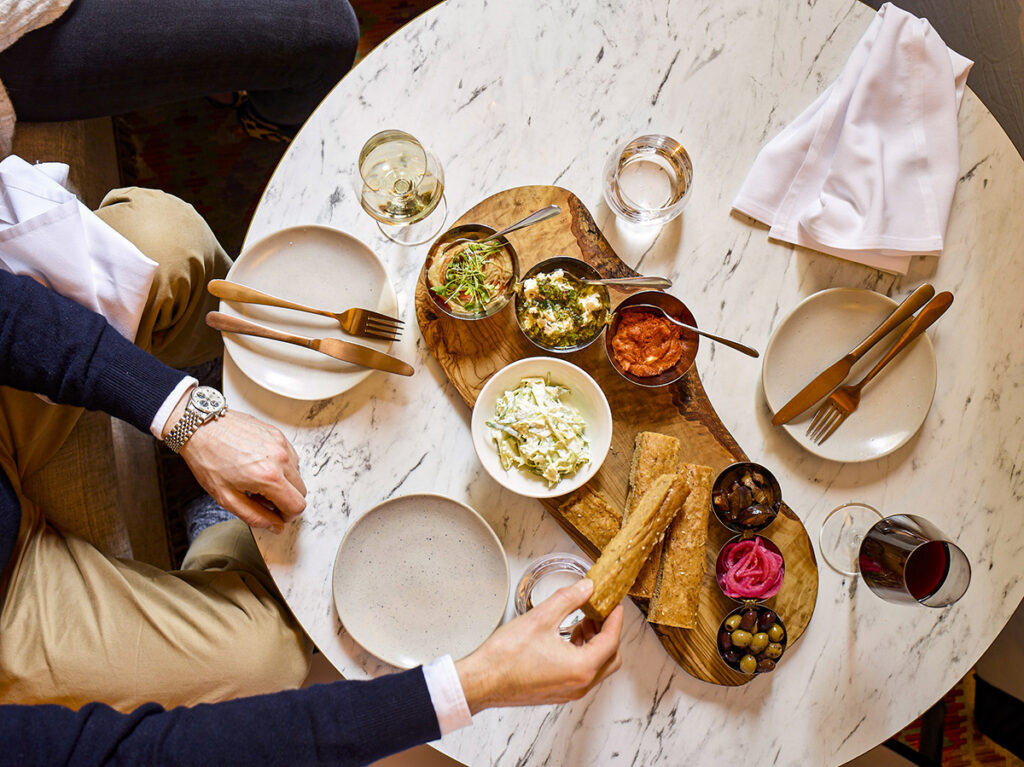
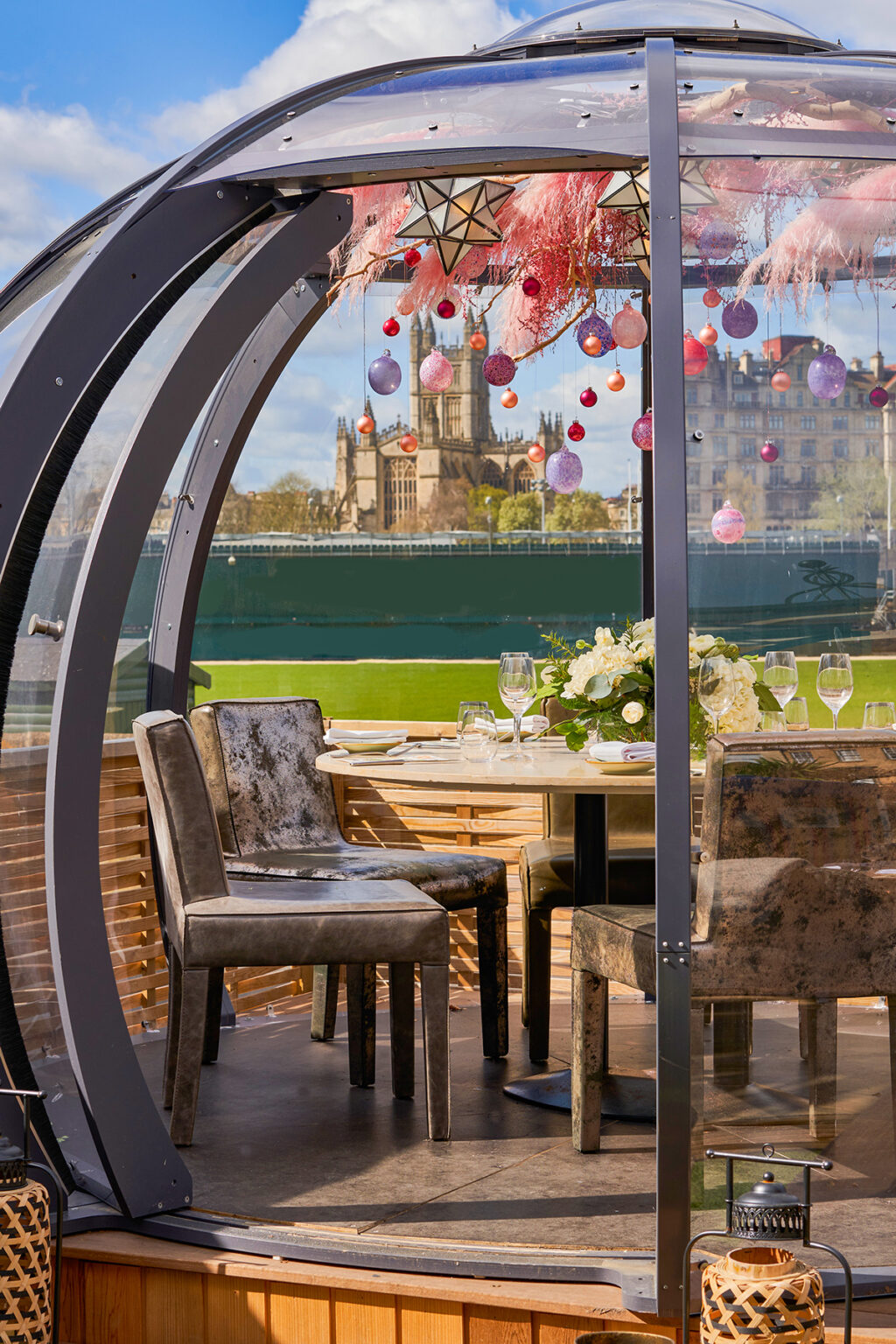
Meals are served at Plate, The Bird’s restaurant, which has indoor space but also a terrace for al fresco dining and transparent domes for those days when you’d love to be outside but the English weather is being, well, English. Whatever you plan to eat, start with a cocktail: the cocktail menu is bird-themed, too, with fabulous illustrations of our feathered friends. Start with a Kingfisher (sake, ginger, and vermouth, topped with prosecco) or Robin (vodka, cointreau, and lemon marmalade), and segue via dinner to the Bald Eagle (bourbon, armagnac, and banana) for the ultimate night cap.

www.thebirdbath.co.uk

Swellegant Stays: Shore Hotel, Santa Monica, California

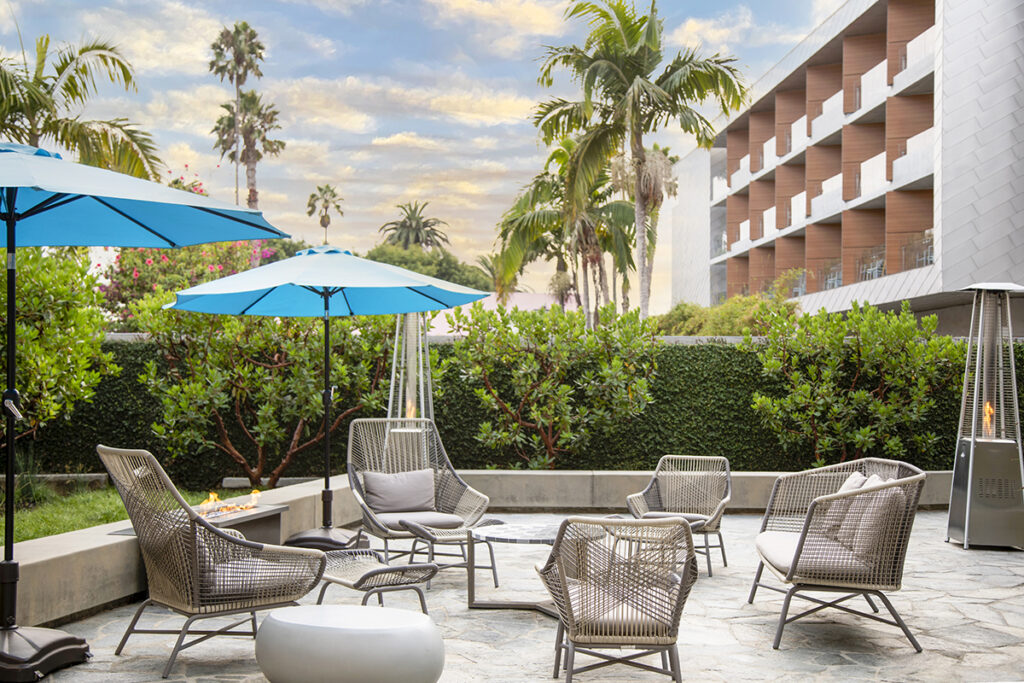
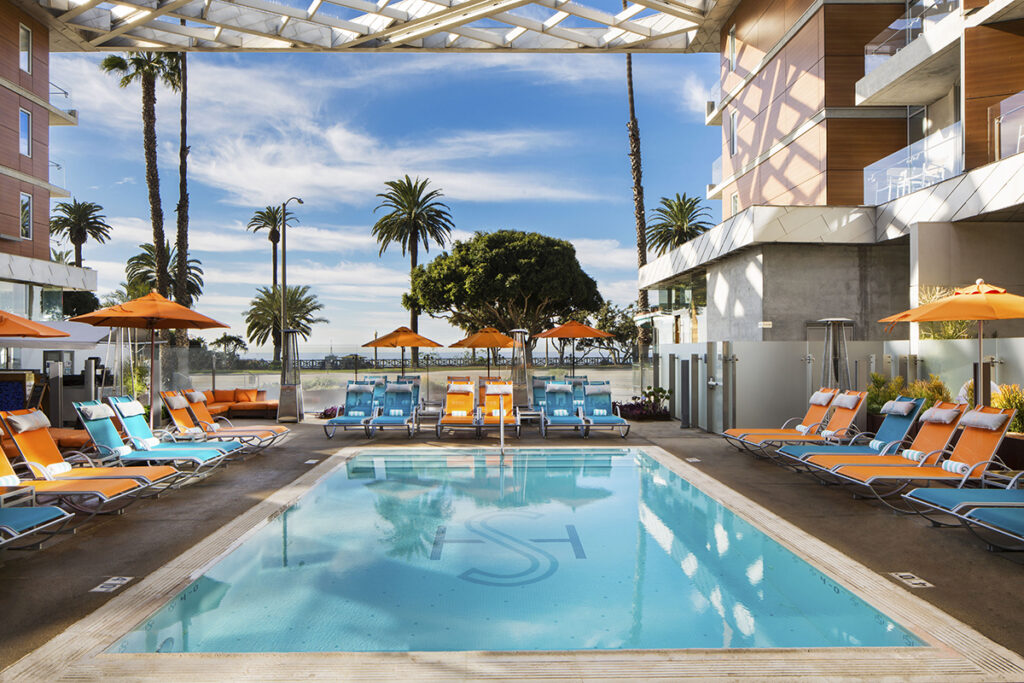
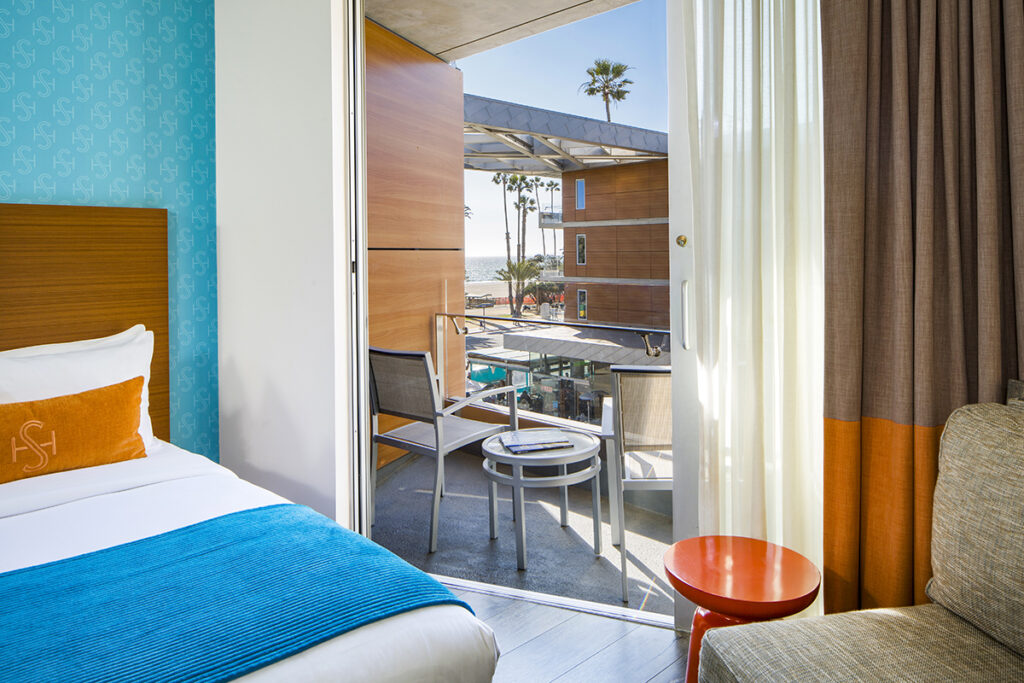
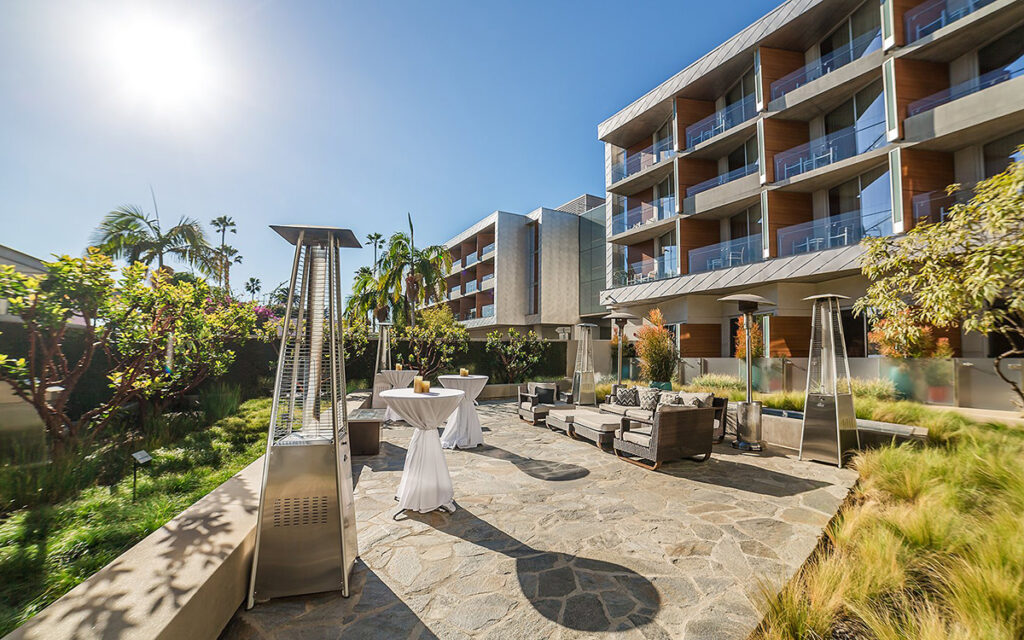
Right across Ocean Avenue from the Santa Monica Pier and beach, the Shore Hotel couldn’t have a better location. The boutique property is both chic and sustainable, with strong eco-certification standards and a sleek, contemporary design. The Shore is shaped like a horseshoe and each of the rooms features its own balcony with views of the “living room” style pool (which is solar heated) and out to the Pacific Ocean beyond.

Upon entering, the lobby feels airy and beachy thanks to huge, floor-to-ceiling windows that look out onto the ocean and let in lots of California sunshine. Guests are treated to a welcome drink – a cold glass of champagne goes down, a treat as the friendly staff check you in. In the mornings, breakfast is served at sunny tables adjacent to the pool with a fresh sea breeze spilling in.

In the 164 guest rooms, high-tech, auto-adjust lighting and temperature controls help eliminate energy waste and all of the tasteful decor is sourced sustainably, with plush, pillowtop mattresses, Lather toiletry products, and iHome docking stations. The decor reflects an ocean aesthetic with fresh sea blues and turquoises warmed by natural woods and offset by cool grey tones.

Elsewhere on the property, amenities include a fitness center, business center, and valet parking, and it is easily accessible from the Downtown Santa Monica light rail station, and walkable to all of the delights of Santa Monica, including cafes, shopping, and of course the seaside. Also within the property, the women-owned Blue Plate Taco serves fresh, locavore Mexican fare, including some of the best ceviche in Los Angeles and strong margaritas that are best sipped watching the sunset over the Pacific Ocean.

The Shore’s design and construction are Leadership in Energy and Environmental Design (LEED) Gold certified and it has won the prestigious Sustainable Quality Awards (SQA) Grand Prize and the Hospitality Sales & Marketing Association International (HSMAI) Los Angeles Best Green Hotel Award.

A Letter From Asia: Samarkand, Uzbekistan

By Sophie Ibbotson

How is it that a city has so much energy, so much creativity, that it can reinvent itself over and over again for more than 2,700 years? I was pondering this over breakfast this morning in Samarkand. Alexander the Great conquered this Central Asian city at the heart of the ancient Silk Road, and declared that it was more beautiful than he ever imagined. Genghis Khan came here too, and he flattened what remained of the city which Alexander saw. But under the rule of Amir Timur (known in the West as Tamerlane), Samarkand once again rose phoenix-like from the ashes, rebuilt by the greatest architects, engineers, and craftsmen from Iran and Turkey, Afghanistan, and India. In more recent history, the Russians and then the Soviets expanded and rebuilt Samarkand, saving many of the fragile monuments and adding modern infrastructure. And only this summer the latest incarnation of Samarkand has launched in a glittering spectacle. Its name is Silk Road Samarkand.

Central Samarkand is a UNESCO World Heritage Site, exquisite, fascinating, but vulnerable. Tourism in Uzbekistan is already recovering from the impact of COVID, and with significant growth on the cards, especially in Samarkand, the city needs more hotels, more restaurants, and generally more facilities to cater to the crowds. There’s no way that you could clear a site big enough for 5* hotels or a conference center within the UNESCO city, so what urban planners, investors, and heritage consultants have settled on is a completely new tourism complex on the eastern side of the city, around the old rowing canal. It’s this new resort, Silk Road Samarkand, which I’m in Samarkand to see.

I’ve called Silk Road Samarkand a resort, but don’t underestimate its scale. It covers 260 hectares, well over two-thirds the size of New York’s Central Park, and is a destination in its own right. The canal is the centerpiece, creating the sense of being within an oasis, and the landscaped gardens between the buildings will grow and blossom in the years to come.

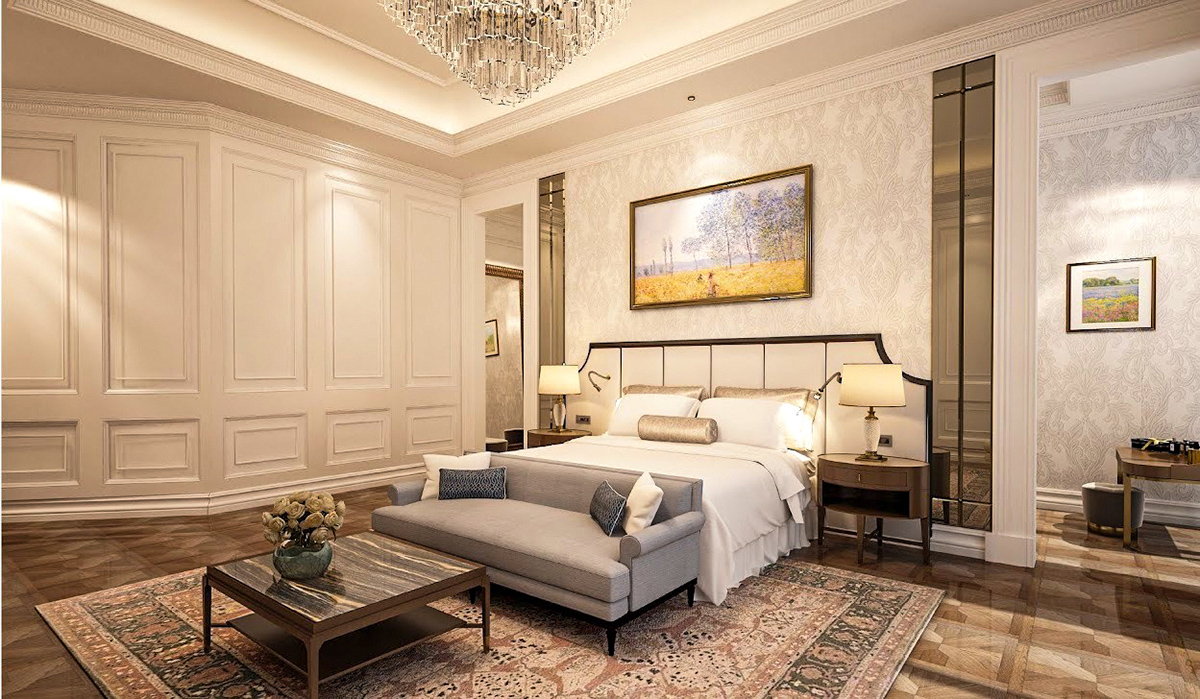
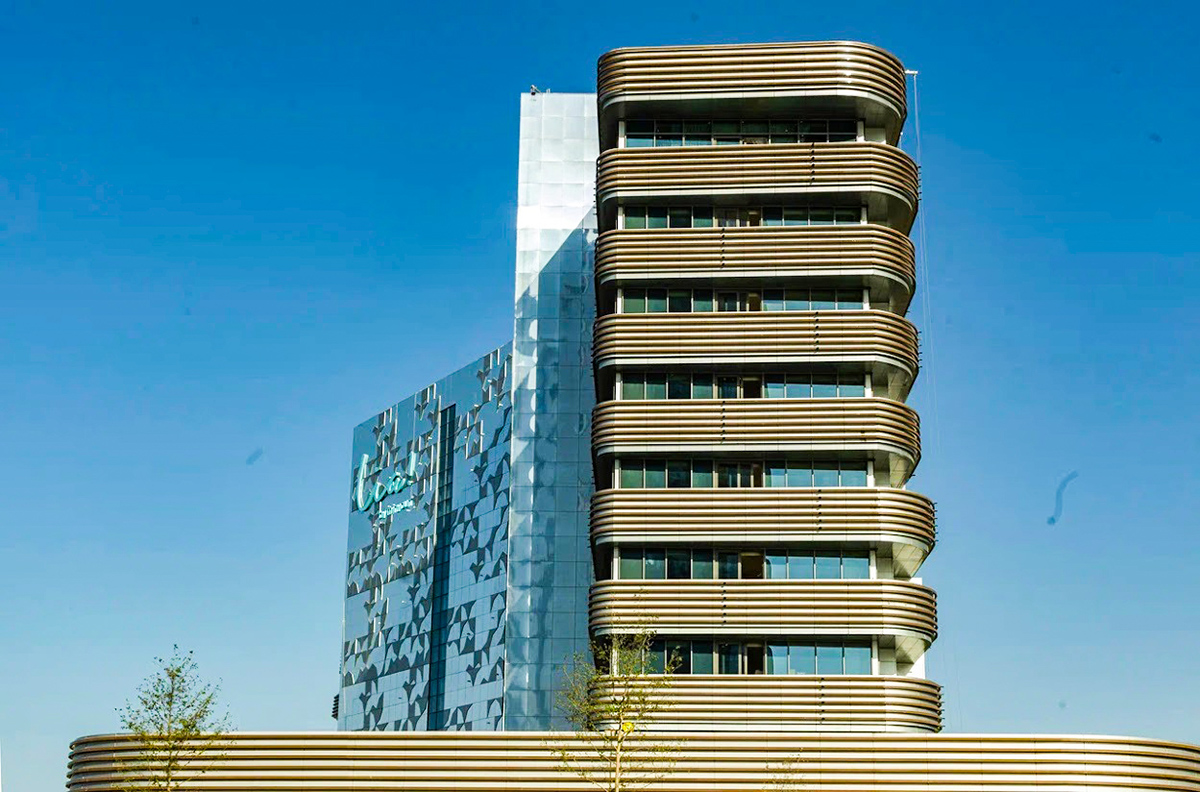
A critical part of Silk Road Samarkand is the accommodation offering. As hard as it to believe, until this summer there wasn’t a single 5* hotel in Samarkand, in spite of it being Uzbekistan’s second largest city. Now there are eight 4* and 5* hotels within this resort alone, so there’s plenty of accommodation options to choose from. The Samarkand Regency Amir Timur is surely the flagship property, and it is the first hotel in Central Asia to belong to the prestigious Leading Hotels of the World association. When heads of state from the Shanghai Cooperation Organization came to Samarkand for their annual summit in September, this is where they opted to stay.

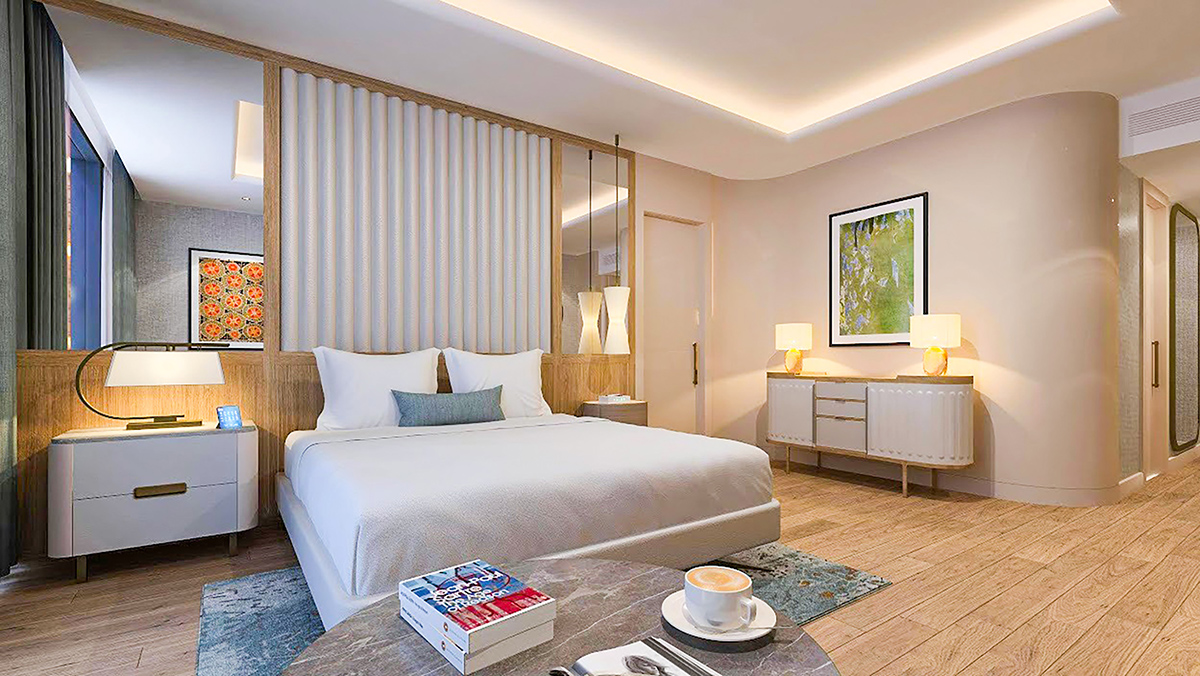
For those who aren’t looking to follow in the footsteps of presidents and would rather stay somewhere a little more quirky, there is Savitsky Plaza. If the name “Savitsky” sounds faintly familiar, that’s because it is named after Igor Savitsky, curator and collector of the world’s second-largest collection of Russian avant-garde. The museum he founded in Nukus, Karakalpakstan is often referred to as the “Louvre of the Steppe” or the “Gallery of Forbidden of Art” and it rightly has a cult following of art lovers. The hotel’s interior design is inspired by Savitsky’s legacy and the walls are hung with contemporary art.

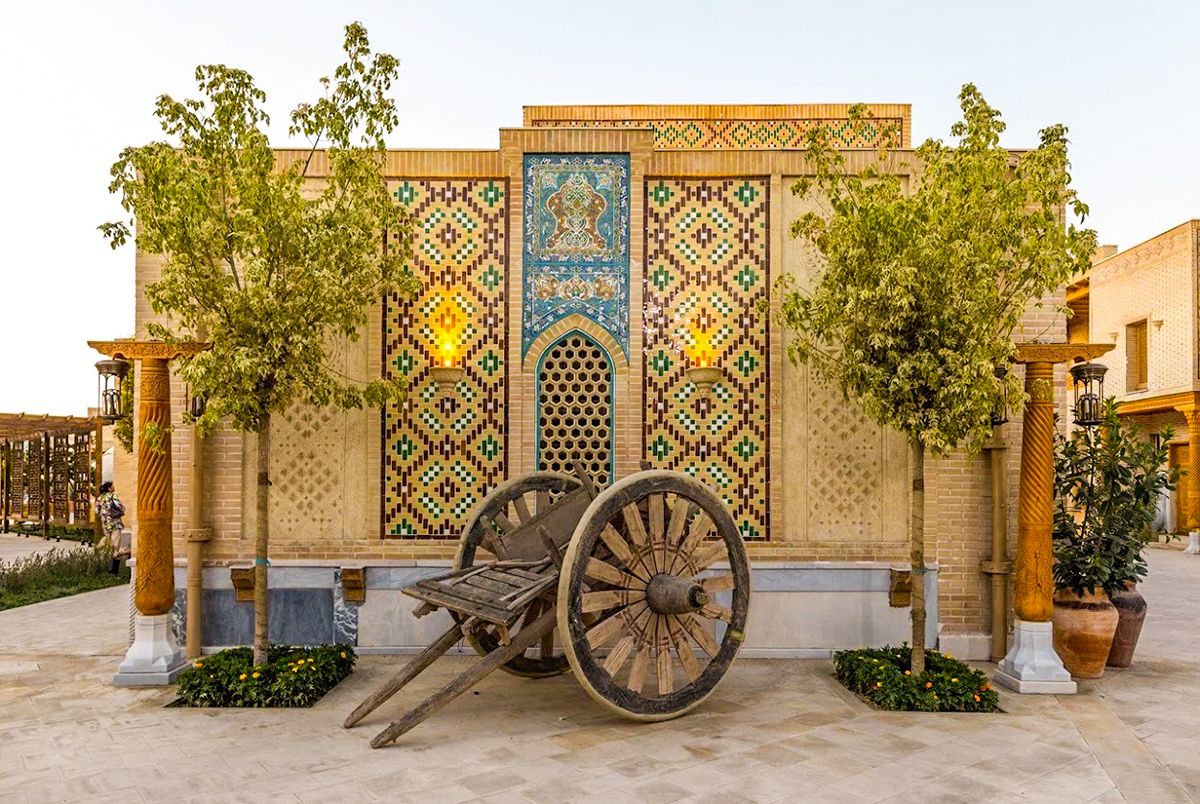
The wonderful thing about Silk Road Samarkand is that there’s a strong sense of place. Yes, the hotels are multi-storey modern buildings which wouldn’t look out of place in Los Angeles or London, but in between them is something altogether more intriguing: the Eternal City. Uzbek modern artist Bobur Ismailov has created an 11 ha site which embodies the oriental fairytale, but at the same time is an educational space. Many of the buildings and squares have been recreated from historical models, and the turquoise domes and intricate mosaic tiles have all been made by skilled artisans using traditional techniques. It’s a place to learn about Uzbekistan’s intangible cultural heritage, from puppetry to ceramics, to encounter street performers and to feast freshly baked bread and pastries. Samarkand has once again found a way to express its 2,700 years of history and culture and to reinterpret and share it with another generation.

Come and join me on the Silk Road soon,

www.srs-tc.com

Swellegant Stays: The Surfrider Hotel, Malibu, California

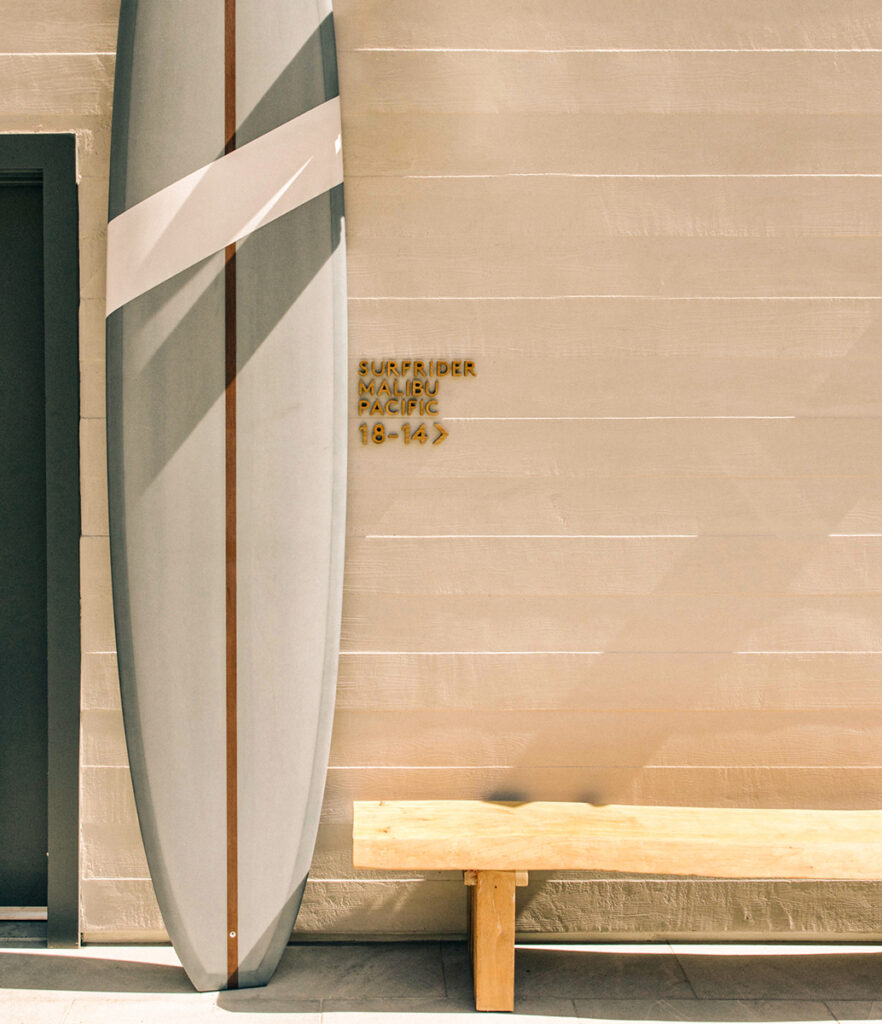
From the moment you arrive at the Surfrider Hotel, there is no question that you are in California. The effortlessly cool boutique hotel stands along the iconic Pacific Coast Highway overlooking the ocean and Malibu Pier, across to First Point, where the legendary Malibu break draws a lineup of world-class surfers.

The Surfrider was formerly a rundown motel renovated by wife-and-husband team Emma and Matthew Goodwin. The vibe is a California dream with a laid-back beach house aesthetic. Matthew is an architect and redesigned the building and did the construction, while Emma drove the hotel’s creative direction, branding, and interiors.

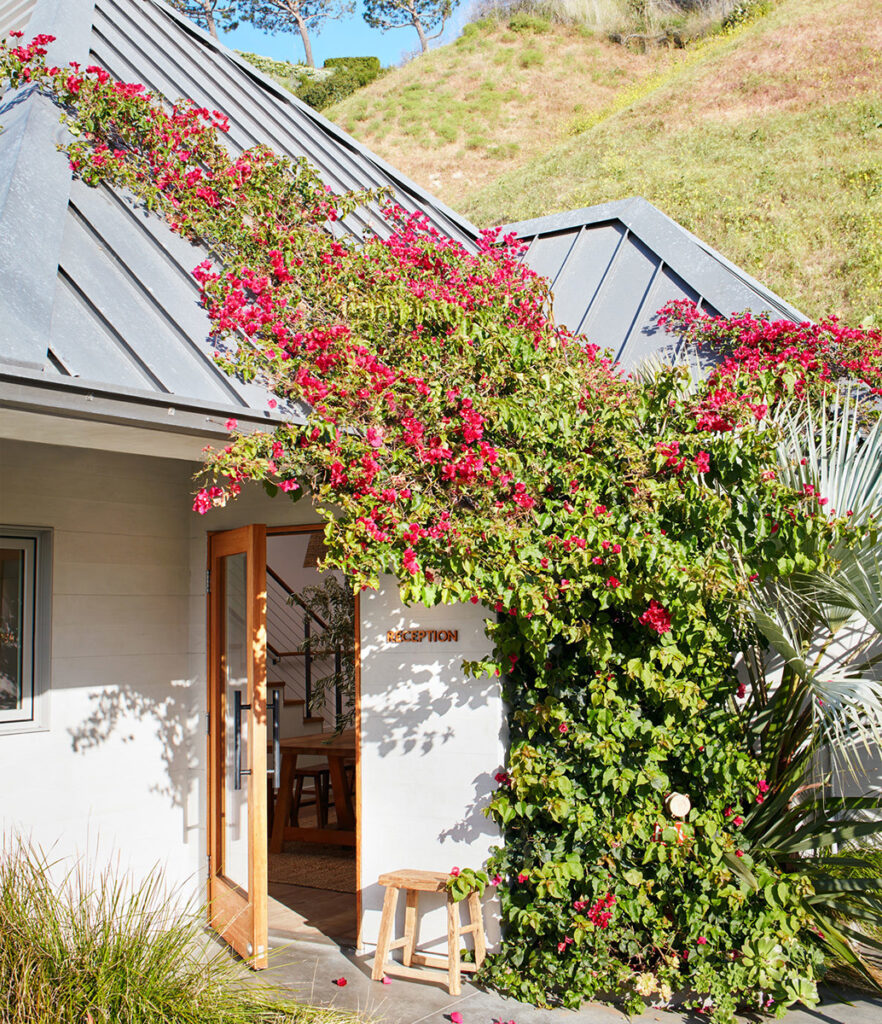
Even arriving doesn’t feel like arriving. The reception is an airy living room with a huge wooden table, a lemon tree, wicker chairs, bone-colored rugs, and floor-to-ceiling shelves that quietly offer some of the hotel’s products to take home: bio-compatible Grown Alchemist  toiletries, high-end  sunscreen, elegant, soft beach towels, and sunglasses.

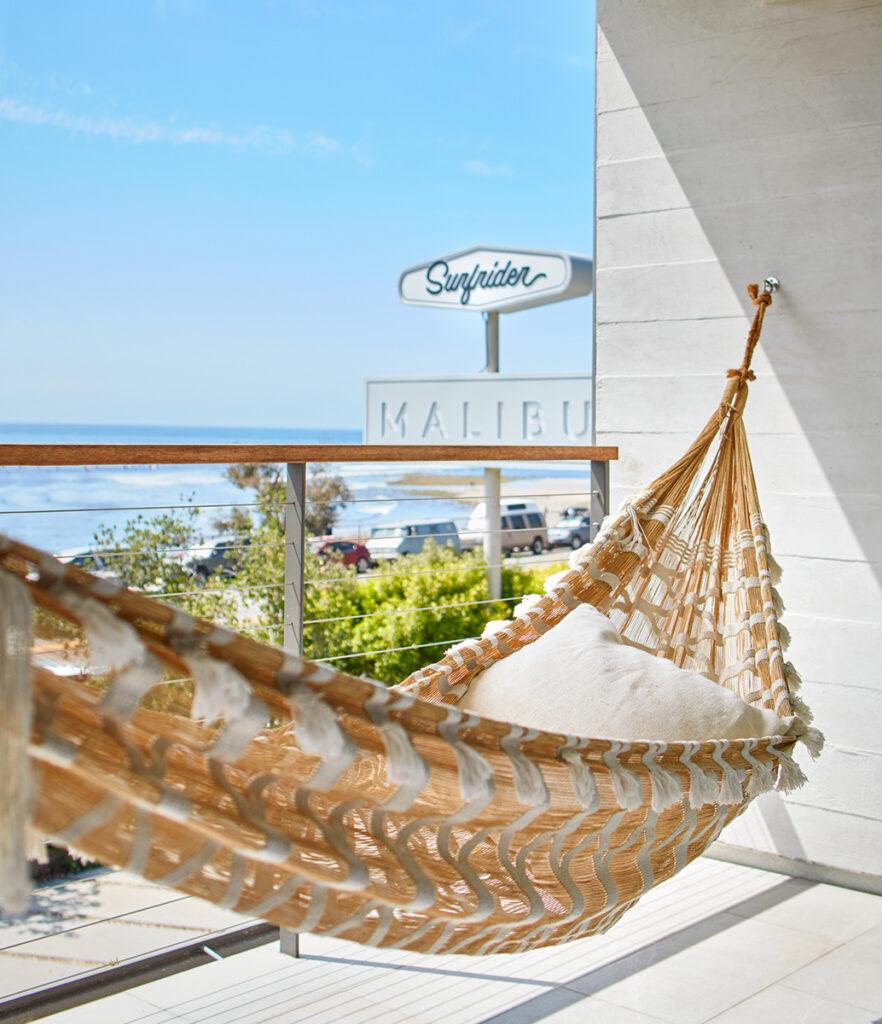
The soft, beachy design runs through the rest of the property. Both guest rooms and suites have crisp, white bedding and natural fabrics: think teak wood, wicker, Bellino linens, coir, and palm fibers. The 20 rooms include two suites with living areas and private balconies with hammocks overlooking the ocean. All rooms feature custom teak beds, spa rain showers, and terraces, but each is gently unique like the rooms in a sprawling, cozy beach house.

The Surfrider aspires to be a reborn icon of the Malibu scene and a source of warm Californian celebrations, providing access to swimming or riding the waves just below the property. Surf and paddle boards are available free for guest use and the hotel also offers special picnics designed to be taken to the beach or on a hike, complete with housemade cocktails or local wines.

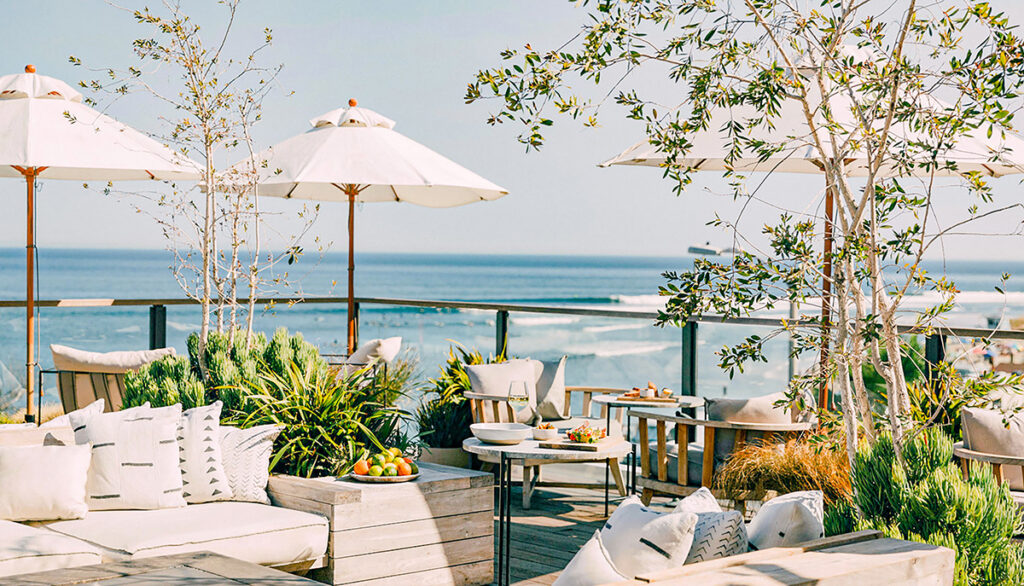
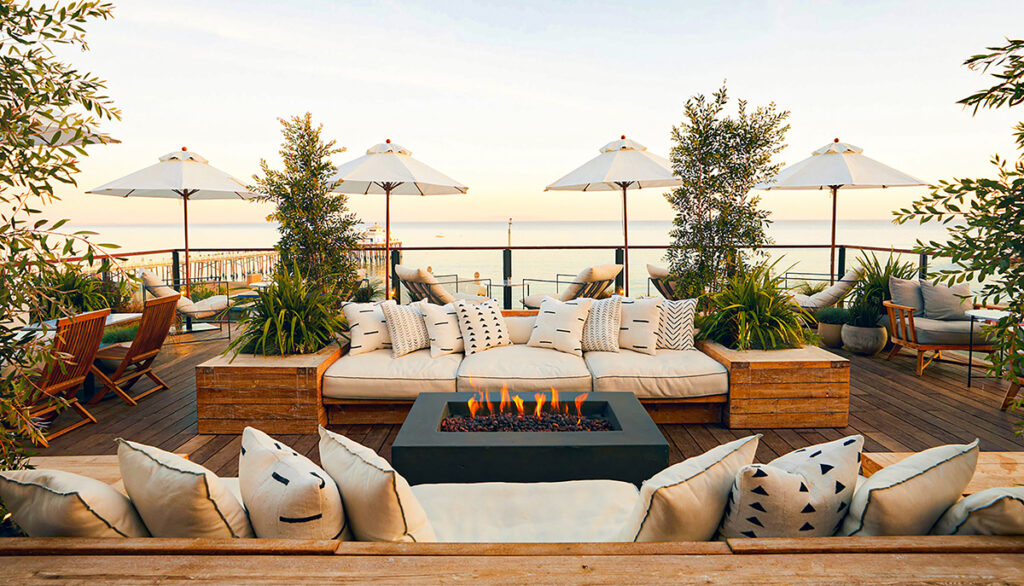
The Surfrider’s rooftop restaurant is only open to guests, meaning you have to book a room to dine there – it feels like the kind of place where Hollywood A-listers go to hang out without being bothered. The menu is fresh and unfussy with sustainably sourced, California-inspired seafood, fresh-cut pasta, ceviche, and huge salads accompanied by a list of small-producer, California wines. There is also an unmissable ‘apres surf’ cocktail hour each afternoon for refreshing drinks like the “Endless Summer” with coconut-infused tequila, lime, and agave, or the “Sea & T,” featuring local gin, calamondin citrus fruit, and Boylan’s tonic.

GASTRONOMIC GALLIVANTS: Olivar Suites

By Sophie Ibbotson

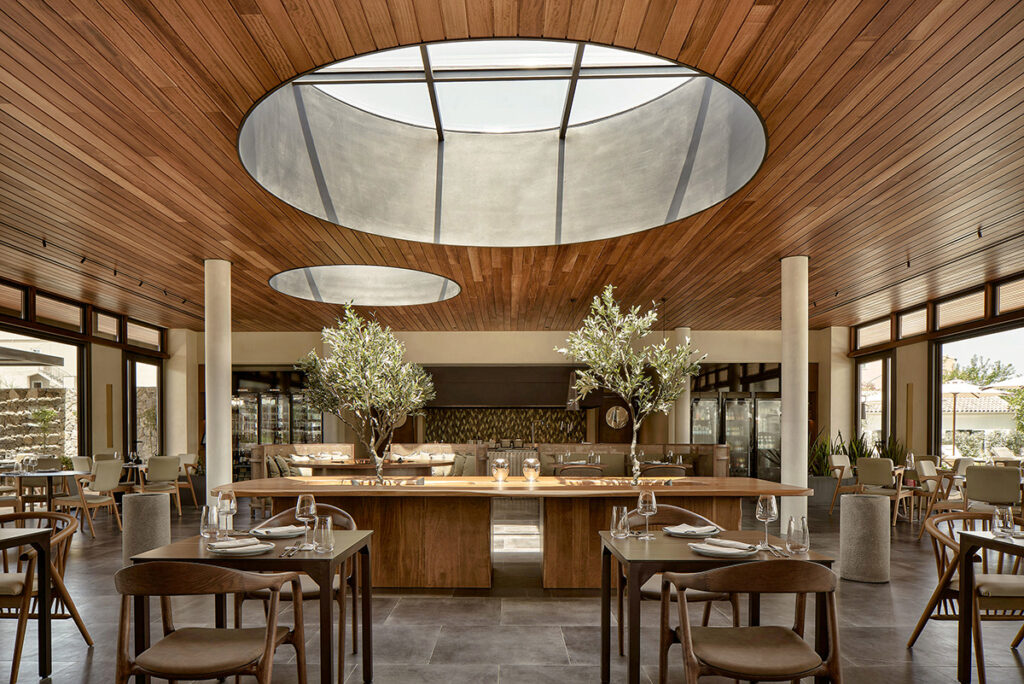
There’s nothing more emblematic of the Mediterranean than a grove of olive trees where the branches catch the breeze, their leaves sprinkled with the salty spray of the sea. Olive oil is not only a key ingredient in the local diet, and credited with increasing longevity, but it’s also in soaps and cosmetics, and can even be used for candles and lamps. The developers of the Olivar Suites in Corfu, Greece, recognize the ubiquity of the olives, their oil, and the trees, and have not only captured it in the hotel’s branding but in every element of its design.

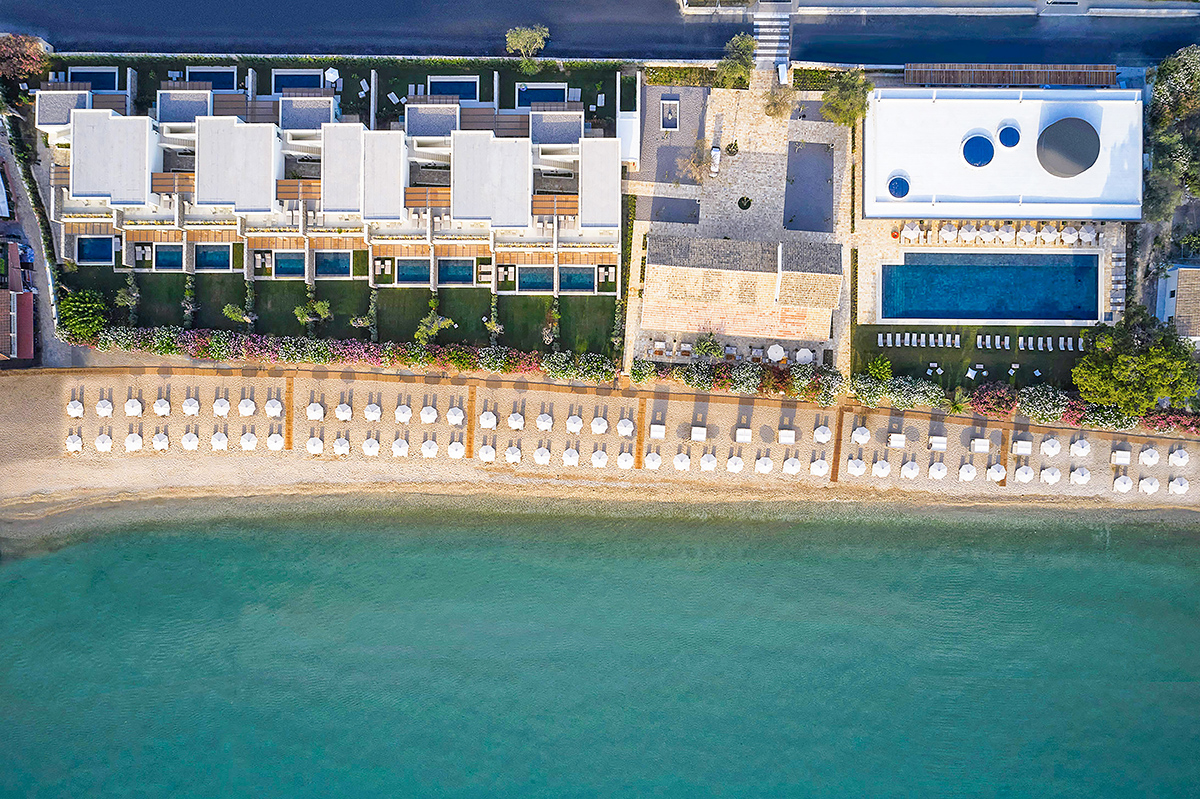
The focal point of Olivar Suites is an 18th century olive oil mill looking out across Messonghi Beach on the southeast coast of Corfu island. It is a simple but handsome white washed building, and the quality of its restoration and updated setting belies its humble origins as an agricultural building. On the waterfront there is the Ionian Sea and the beach, dotted with loungers and umbrellas, plus an all-day bar; and to the side is the tranquil mirror of Olivar’s main swimming pool, reflecting the facade of the mill. Perhaps the most special spot is to the rear of the mill, however, where the historic olive trees – some as much as 300 years old – still grow in the square. Their gnarled trunks stand like works of sculpture, especially when artistically floodlit at night, reminding guests that the olive trees were here, part of the landscape, long before any development.

Olivar’s designers have deliberately left as many trees as possible in situ: this is their land, after all. In fact, the main reception building, which also includes a bar and the hotel’s spa, is built around a particularly large and dramatic olive tree and it has become a feature of the architecture. Elsewhere, trees line the pathways like columns in an Ancient Greek temple, and they add height to the miniature gardens at the entrance to each private suite.

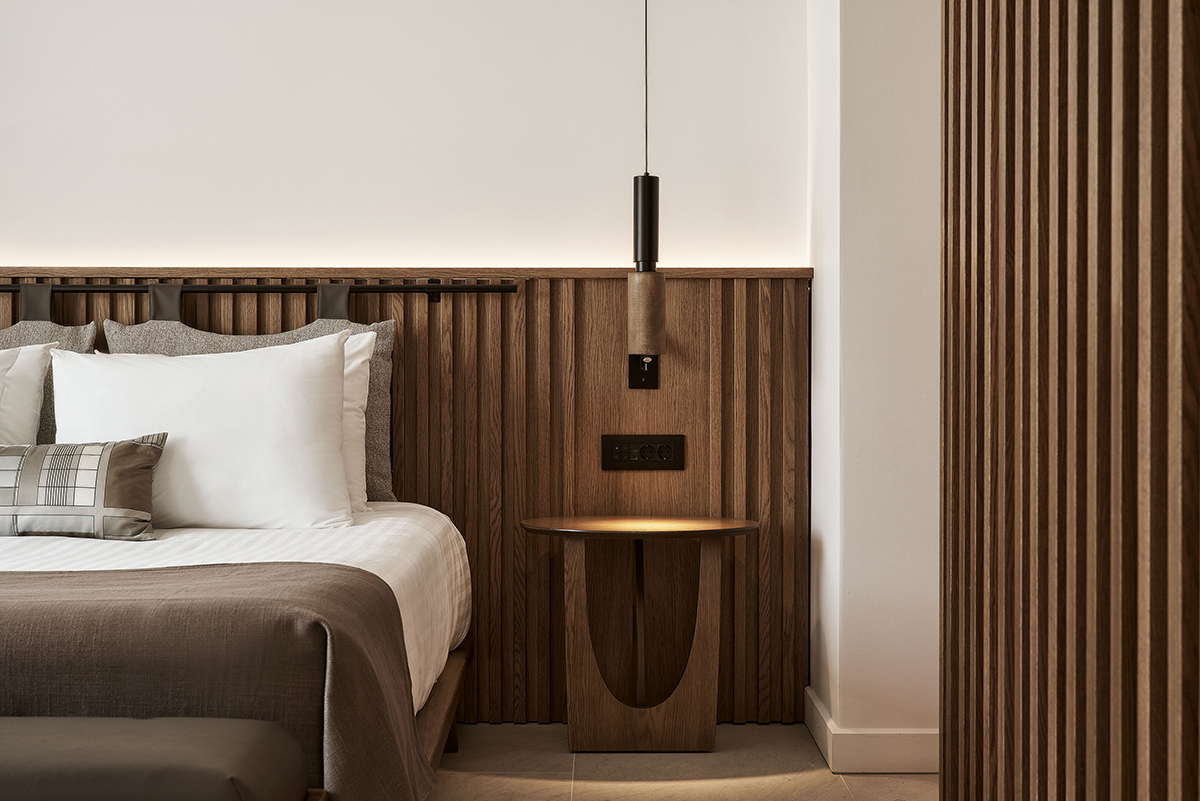
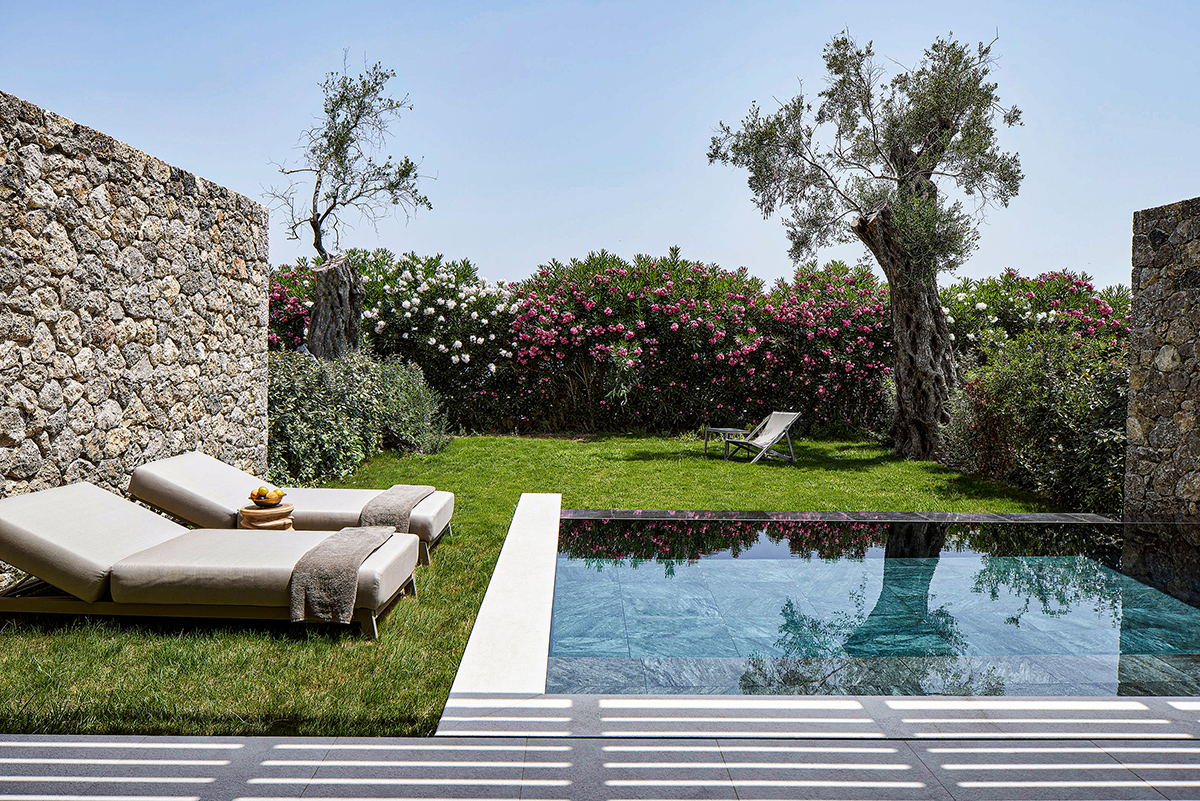
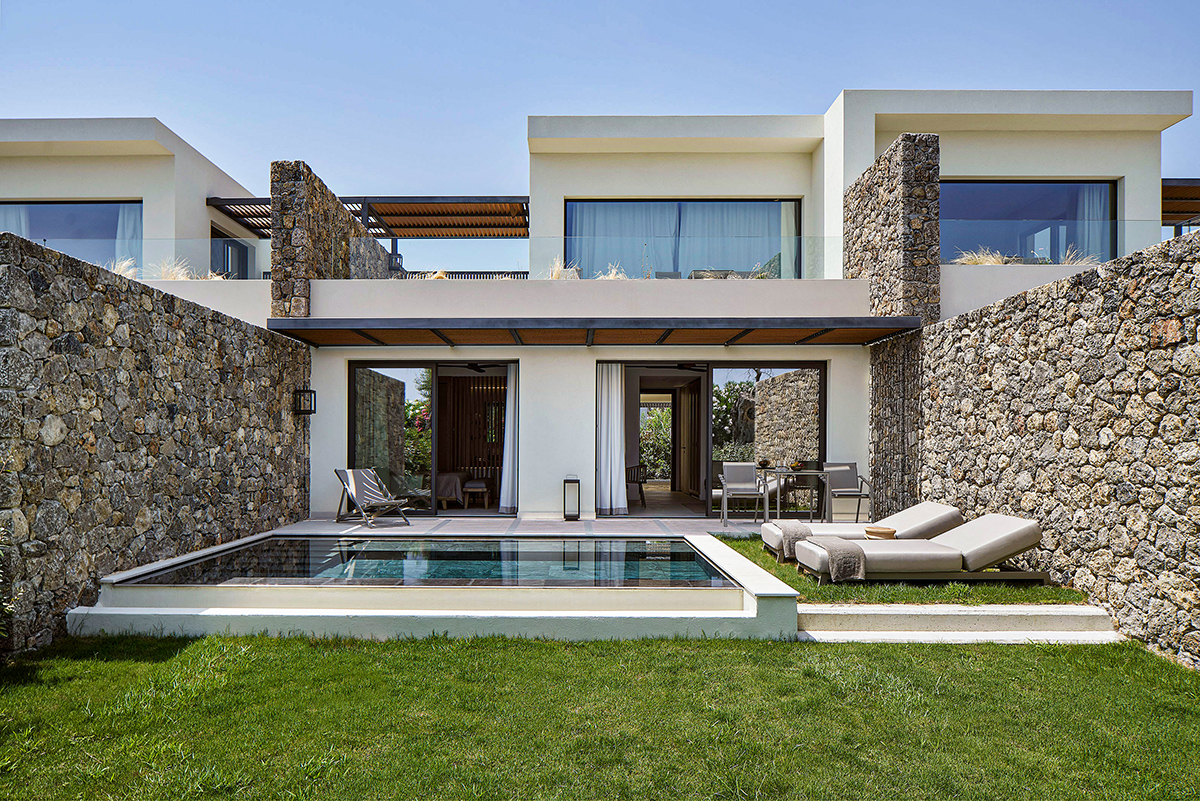
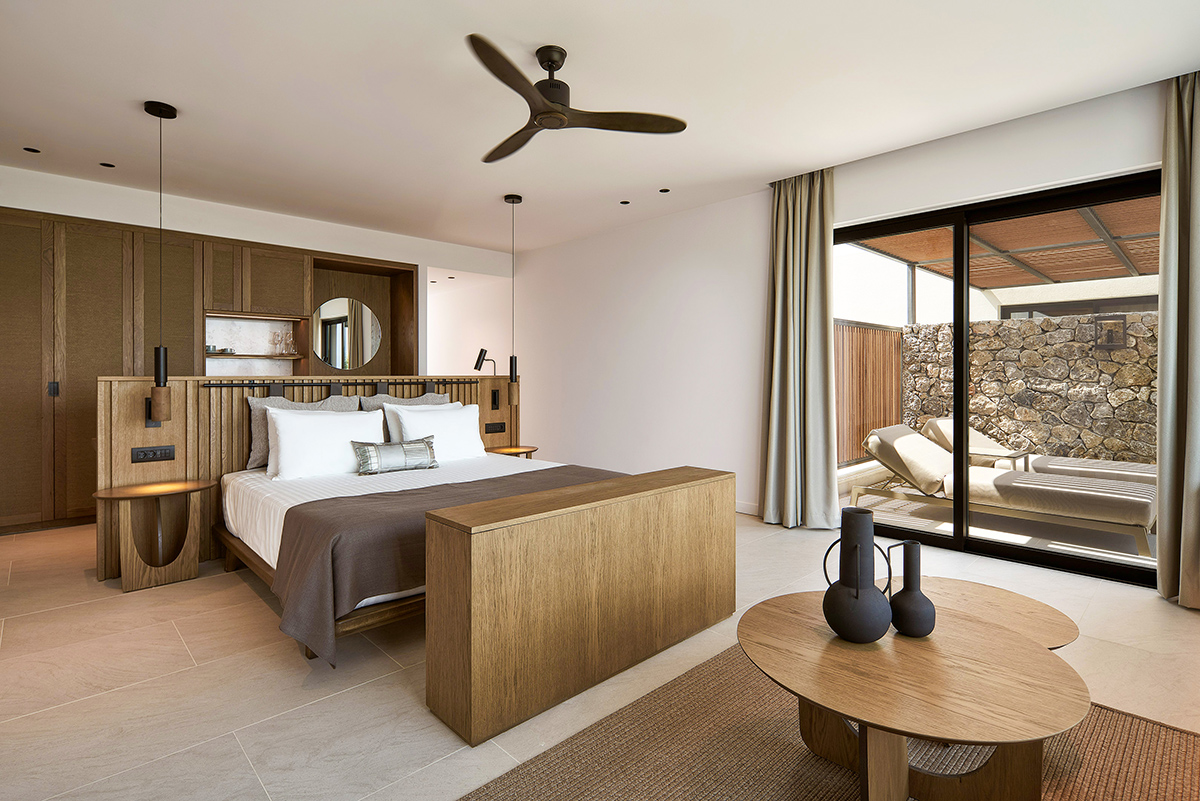
The suites themselves deserve mention, because however hot the summer sun, the interior of each suite is carefully structured to cool both the body and the mind. The muted color palette and simple lines are refreshingly contemporary, and as none of the rooms are overlooked, it is wonderfully private. First thing in the morning, slide open the double doors onto the terrace and take a dip in your own plunge pool, swimsuit optional. The water may be bracing, but it is an energizing way to start the day, with no sound but the twittering of a bird perched in yet another olive tree beyond the wall.

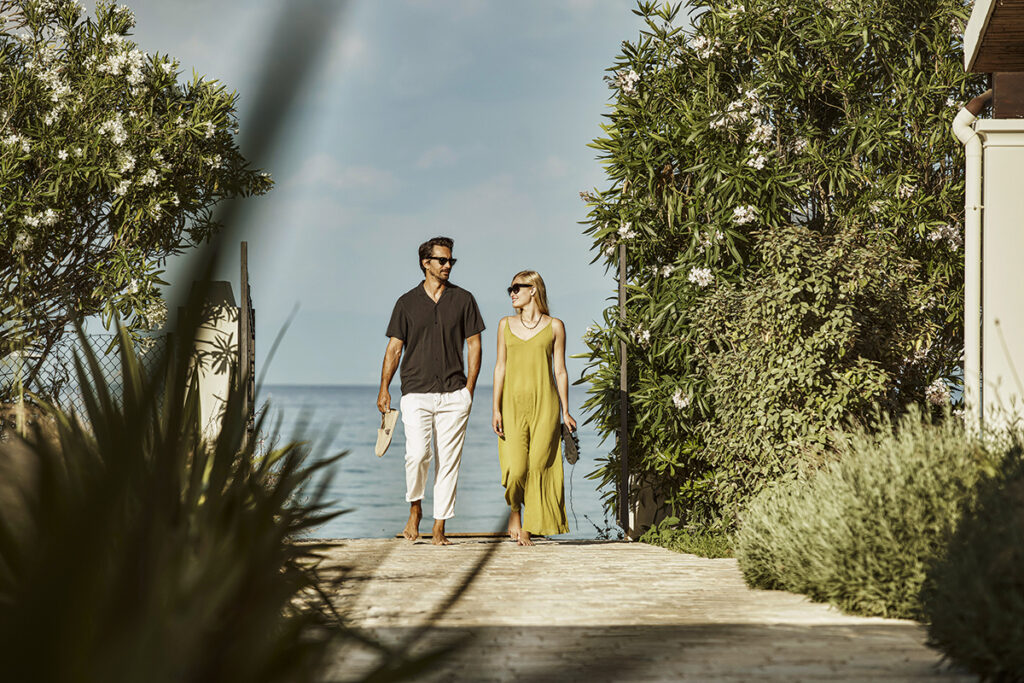
Once breakfast calls, or at any other time of the day, you can amble through the resort, all of which is car-free, to the public areas located around the mill and on the beachfront. They are just a few minutes’ walk away and it offers another chance to admire the planting in the gardens. Each tree, each flowering bush, has been selected because it is native to Corfu and thus well-suited to the hot and arid climate. They’re flourishing at Olivar’s, and make the complex feel like a particularly picturesque village.

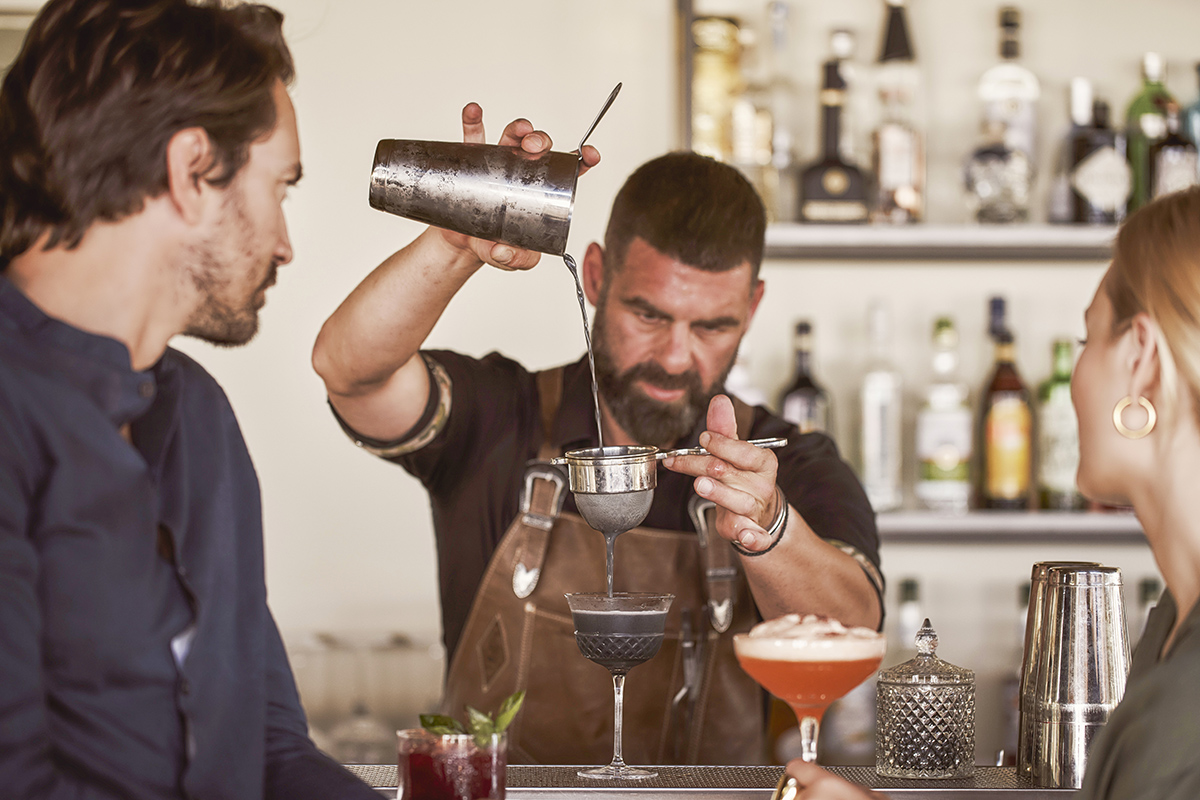
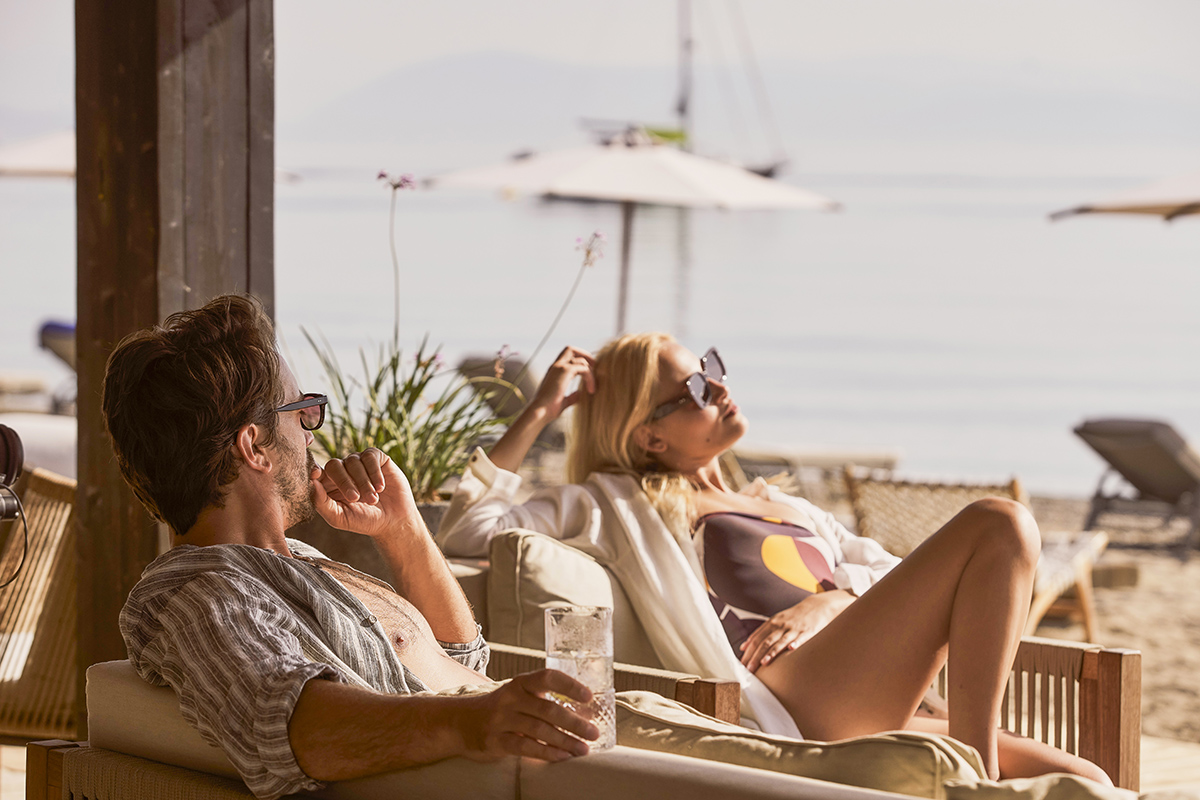
If you plan to spend all day on the beach – and that is mightily tempting given how stunning the views are, and how warm the sea – then Olibar will meet your needs. Head Bar Manager NIkos Provatas is a fiendishly accomplished mixologist, and he and his team run this all-day bar situated inside the olive mill and opening out onto the beachfront. The menu is playful yet elegant, and always unpretentious. As you relax, perhaps sunbathing or reading a long-awaited novel, you can refresh your taste buds with a red ice tea (Greek mountain tea served with pomegranate and red fruits) or perhaps a freshly cold pressed juice. When it is time for a snack, graze on tasty plates such as a Greek salad with watermelon, including huge, soft hunks of locally produced feta cheese, or grilled chicken kalamaki, crusted with seeds and served with cooling tzatziki and a zingy peach salsa.


As delicious as this sounds – and the flavors do live up to the words – the real culinary mastery happens a stone’s throw away across the pool at Flya. The chances are that this is where you’ll take breakfast, in a remarkable looking contemporary building, the design of which owes as much to Japan as it does to Corfu. This is the playground of award-winning Head Chef Spiros Agious, who has honed his craft during more than 20 years working in Greece’s best kitchens. The menu starts simply in the morning, but as the day goes on it evolves and becomes one of the top fine dining restaurants on the island.

Spiros prides himself on respect for the environment and love for his homeland, Corfu. As far as possible, he sources all his ingredients responsibly, seasonally, and locally. This includes seeking out tiny producers on the island who make specialist products entirely by hand. Everything is carefully chosen; there’s nothing frivolous. As a diner you get the sense that each morsel of food on your plate has had to earn its place, telling the next part of Spiros’ story about the culture and heritage of his beloved island, and the way in which it harmonizes with the natural environment.

There’s a magic in dining at Flya in the evening, especially if you sit outside. The light fades from the sky and lights on the trees start to twinkle, adding to the all-encompassing wave of romance. Whatever you plan to eat, start your meal with one of life’s simplest but greatest pleasures: freshly baked sourdough, still warm from the oven and beautifully crunchy on the crust. At Flya the bread is served with locally pressed extra virgin olive oil, plus Za’tar made with wild oregano picked on nearby hills. Having tasted this, shop-bought bread will never satisfy your cravings again.

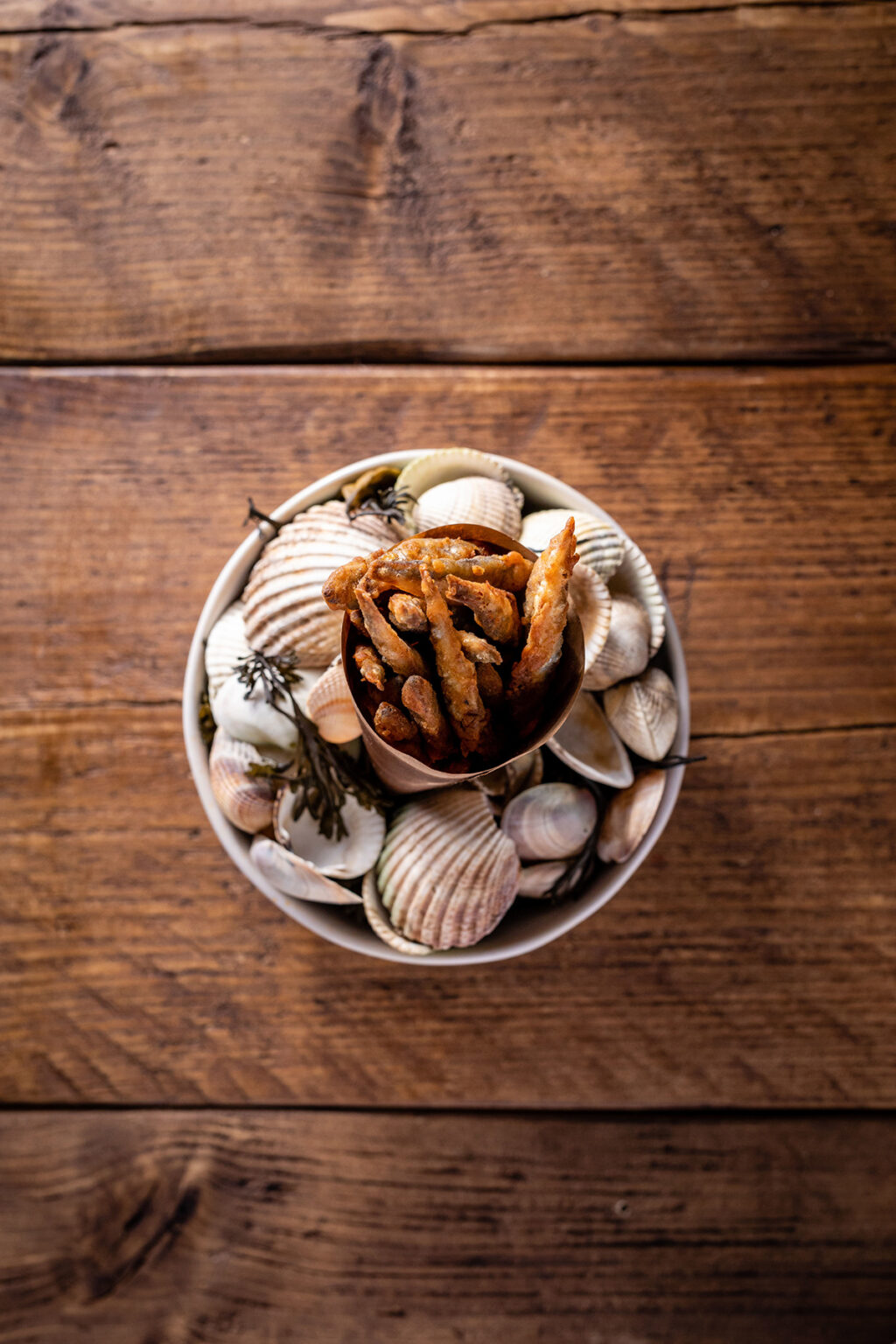
Spiros’ menu showcases not only ingredients from the island, but from the surrounding waters as well. There are few places in the world where you will find seafood fresher, tastier, or more exquisitely served. Oyster lovers will be in their element with oyster seashells served imaginatively with pickled onion, ouzu, and caviar, but if that sounds one step too far for your palate, the grouper carpaccio with lime, chili, scallions, and garden herbs will melt effortlessly on  your  tongue.  There  are  mouthwatering  hot appetizers too, and the maritime gods are ever generous: try the “sea pebbles” which are fish of the day and sea fennel dipped in tempura batter, accompanied by smoked taramasalata and lemon, or the equally divine octopus with black raisins and an ink savoro sauce.

There’s no shame in eating solely appetizers, and at lunchtime or on a scorching hot day, that may well be the best way to go. The main courses are ever tempting, however, so if you can possibly make space for one, do. Look out for delights such as the pan-seared fish of the day with paprika-braised leeks and smoked mussels, or the lamb fricassee with braised celery, preserved lemon, and lime rice foam. The advantage of staying at Olivar two nights or more is that you can steadily work your way through the menu, celebrating with each mouthful the natural bounty of Corfu and the creativity and skill of the producers and chefs who have brought it from the land and sea to the table.

www.olivarsuites.gr

A Letter From Europe: Palermo, Sicily

By Sophie Ibbotson

Salutamu!

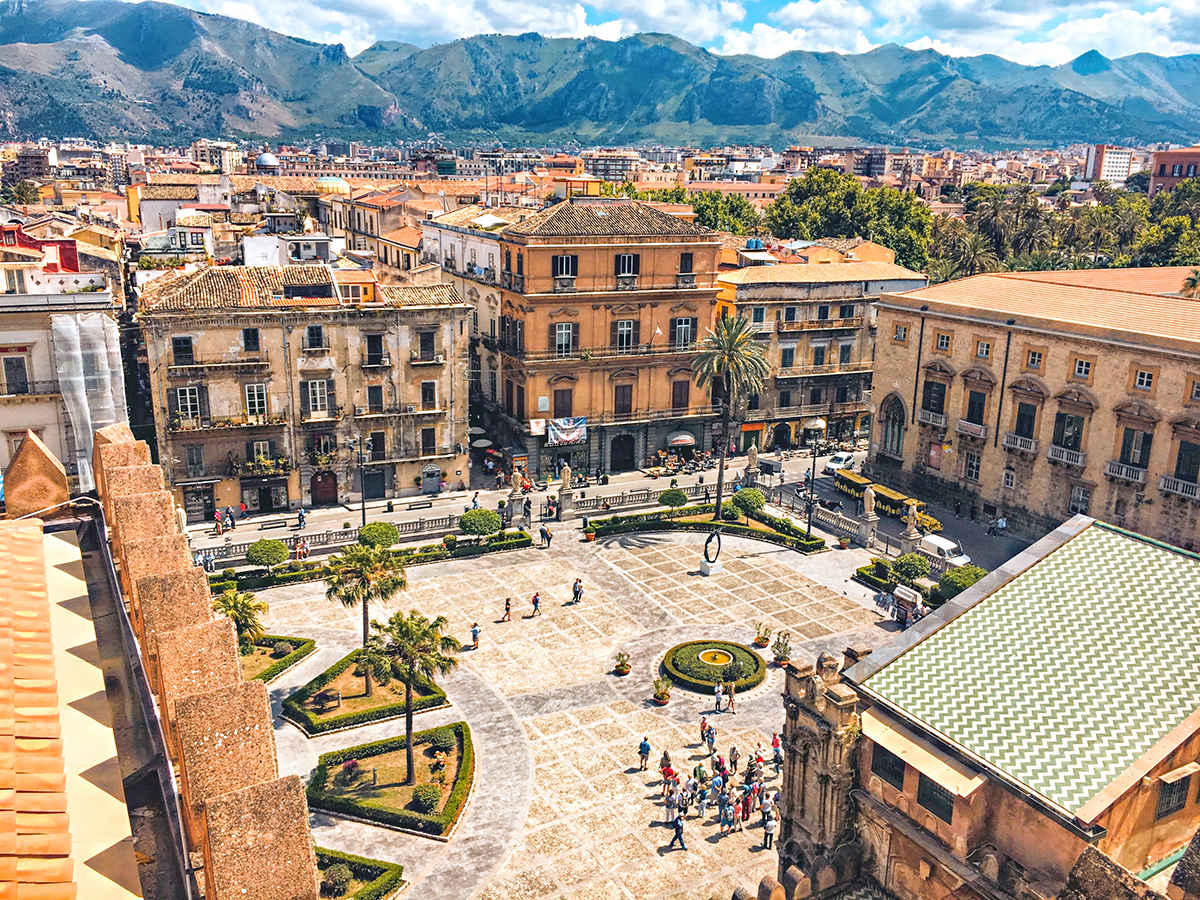
If there is ever a day when the sun doesn’t shine in Palermo, I haven’t seen it. Sicily is an autonomous region of Italy, and Palermo is its capital. It is famed for its architecture, culture, and gastronomy, so I am doing my very best to immerse myself in all three. Every day I have been here I have started with coffee and cannoli from the passticeria at the Monastero di Santa Caterina d’Alessandria. The passticeria is as old as the monastery, so it seems that the nuns have always taken their morning pastries seriously!

If you come here you absolutely must visit both the monastery and its church, the Chiesa di San Catoldo. The church’s three domes are a prominent feature on Palermo’s skyline and they have survived centuries of change in the city, including the Ottoman occupation. The church’s architecture blends influences from both Christianity and Islam.  Inside, if you look up, there is a square inside an octagon inside a circle. This represents God in Islam: the circle is God, the square is Earth, and the octagon – faith or believers – joins the two. The craftsmen who created this remarkable design believed it was forbidden to make or draw any physical representation of God, so they represented the relationship in geometry instead.

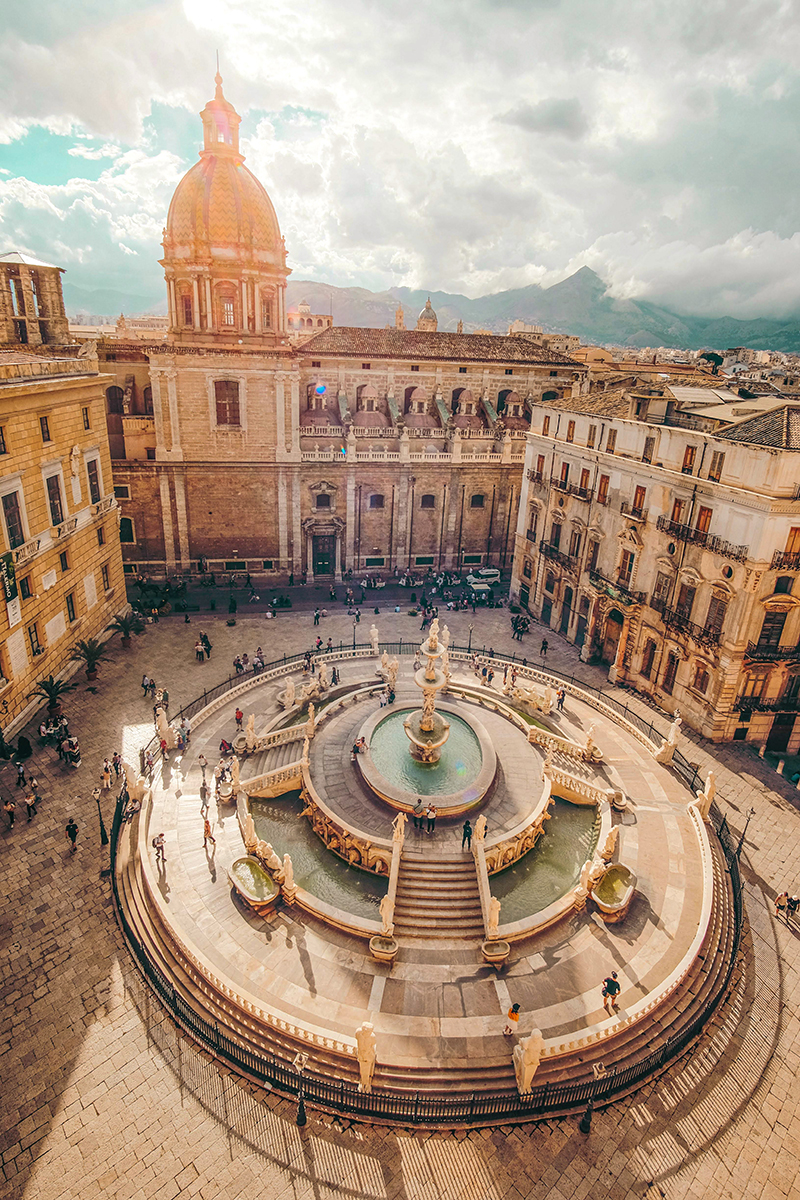
Nearby is the 16th century Fontana Pretoria, which is known to the locals as “the fountain of shame”. I have heard two different reasons for this. Firstly, the components of the fountain were built in Florence on the Italian mainland and had to be transported by land and sea to Palermo. This cost a huge sum of money, at a time when most people could not afford to eat every day. So, the residents ascended on the square to yell “shame! shame!” in protest at what they saw as a waste of public funds. Secondly, the statues on this monumental fountain are all naked, posing alluringly and letting it all hang out. From the windows of the monastery the nuns can see the male nudes in all their marble glory, and the mere thought of this horrified the chief nun. She was so worried that her fellow nuns would be thinking about sex instead of prayer that she went down into the square one night and chiseled the penises off the sculptures. If you look closely, you’ll see they have all been crudely castrated.

I have been staying at the Grand Hotel Piazza Borsa, which ranks amongst Palermo’s grandest buildings. It is in the historic center, very close to the street markets of Mercato del Capo and Vucciria. The ancient cloister around which the hotel is built is a popular location for concerts, so if you sit out on your private balcony in the evening, you might well be serenaded with music. Another favorite spot of mine is the roof garden terrace, which looks out on the terracotta rooftops and domes of Palermo. It’s so beautiful in the soft evening light, and I am making the most of the opportunity to try some of the excellent Sicilian wines which are rarely available abroad.

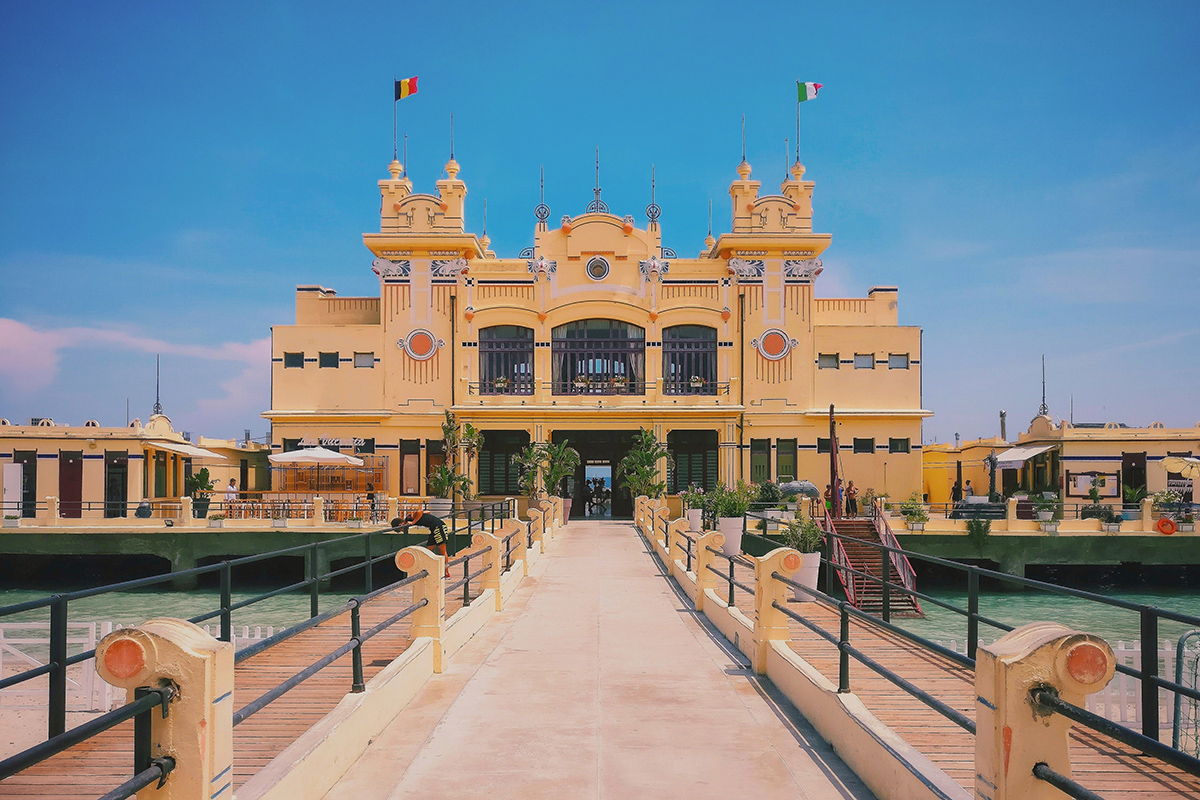
Although you could easily spend weeks just wandering the streets in Palermo, I urge you to take a few hours out of the city to visit Mondello, the beach which is a short bus or car ride to the north. Originally Mondello was a simple fishing village, but for the past hundred years or so it has been the playground of the Sicilian aristocracy and an exclusive tourism destination. Many of the villas along the seafront are in the Italian Art Nouveau style, as is the magnificent Antico Stabilimento Balneare, the fanciful building on the pier. The bay is around a mile long, so do take a stroll along the white sand beach and feel the waves lapping at your feet.

Ciau,

www.piazzaborsa.it/en

GASTRONOMIC GALLIVANTS: Elevated Tasting Menus in London

Ormer Mayfair by Sofian…Executive chef Sofian Msetfi

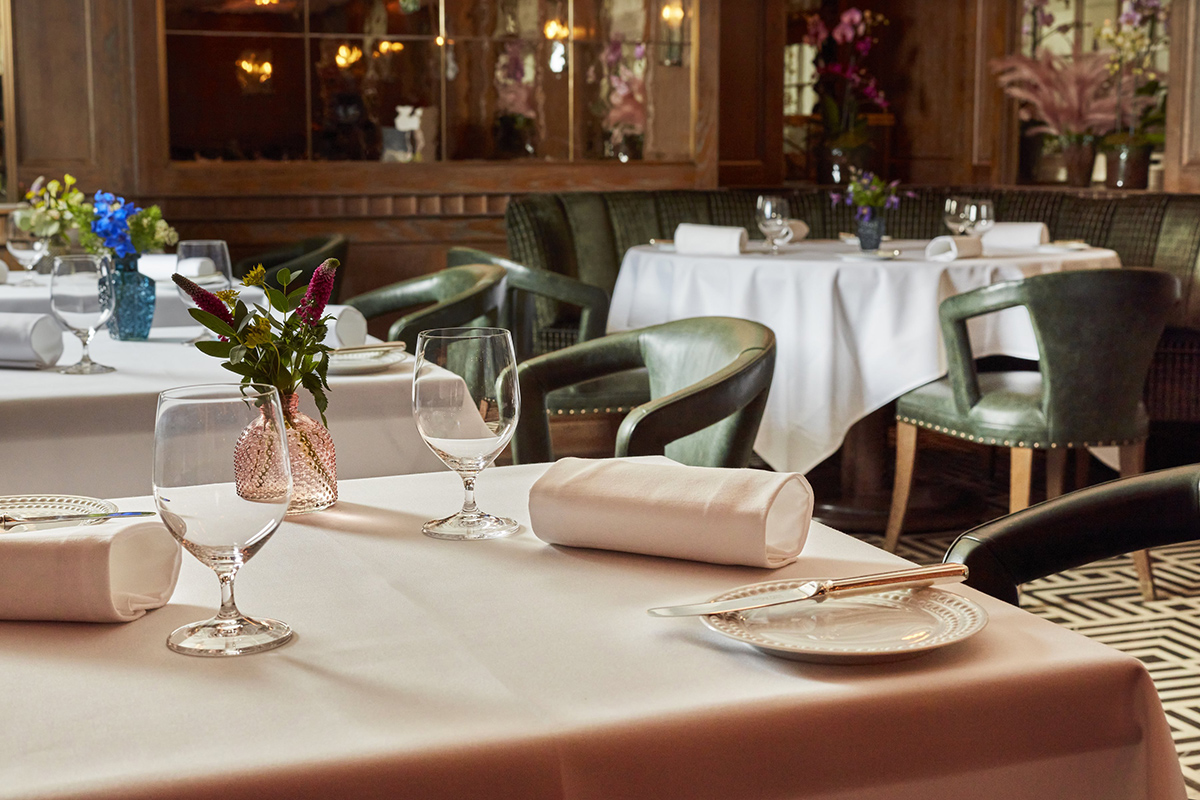
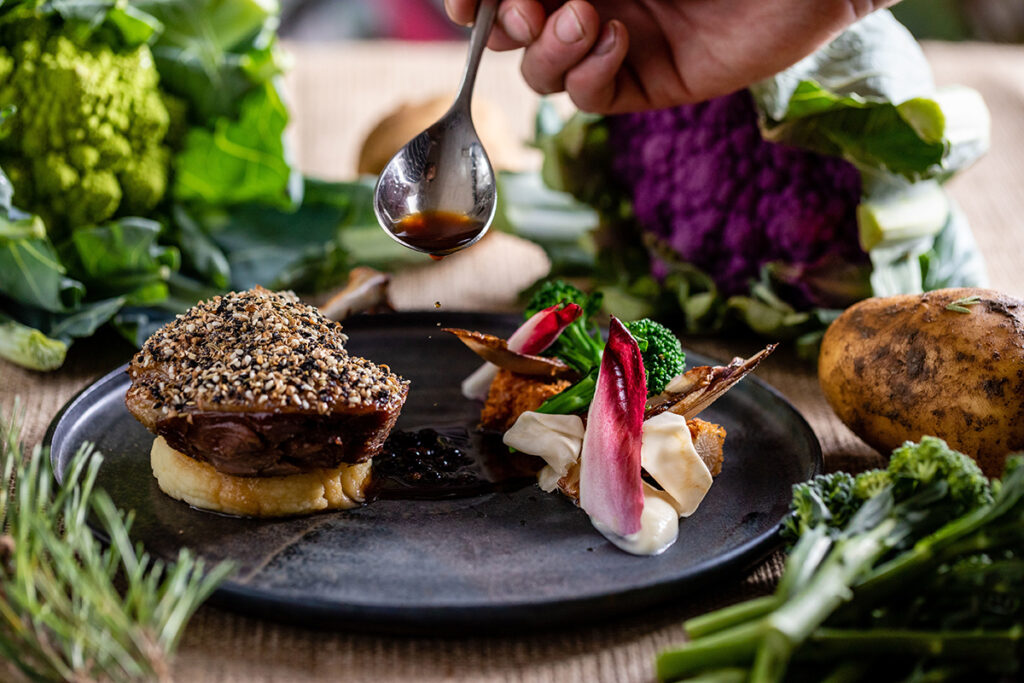
The gastronomic experience began immediately upon being seated by Lorenzo, the maitre d’. He was expecting us. In the heart of London’s Mayfair, the alacrity with which he greeted and seated us was a bit unexpected. This part of town is famous for its very formal, upper- crusty, stiff upper lip, luxury style of service. So, as we stepped through the doors of Fleming’s Mayfair and descended the marble stairs to enter the dining room, it was not only refined, but refreshing to be met by him and his team.

We had heard only good things about this restaurant, and felt very confident that if we left ourselves in their hands, we would not be disappointed. From time to time I like to simply let restaurants of high caliber select what I will eat for the evening. It takes the pressure off of all of us, is my belief. Their six course tasting menu was a perfect fit for this. Let’s begin with the bread and butter service that had hand-churned butter from Normandy France. It was lightly salted and rich. The baguette and the warm Irish brown bread that was also served with it was insane. This was just the bread service! Then came an oyster, which I do not ordinarily partake in, but if leaving myself in their capable hands was what I set us up for, then it required full commitment. The oyster was light and mostly foam. Please do not ask me to tell you how on earth they turned this saltwater mollusc into such a delightful ethereal morsell light on horseradish and garnished with a dainty purple flower.
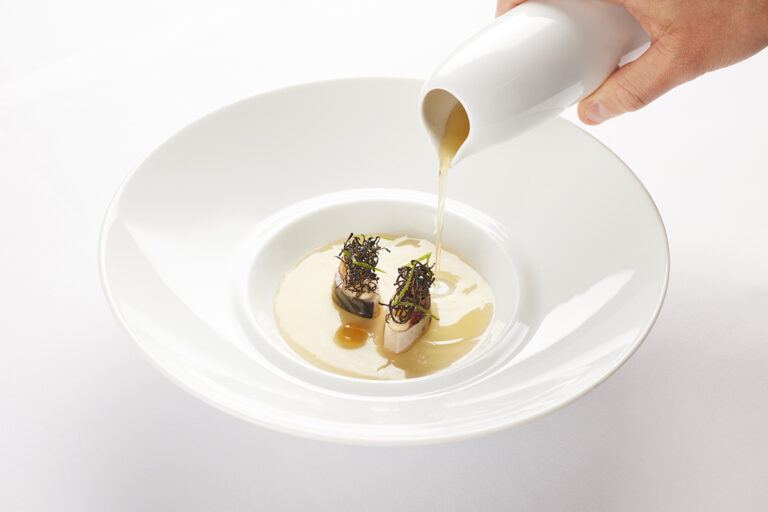
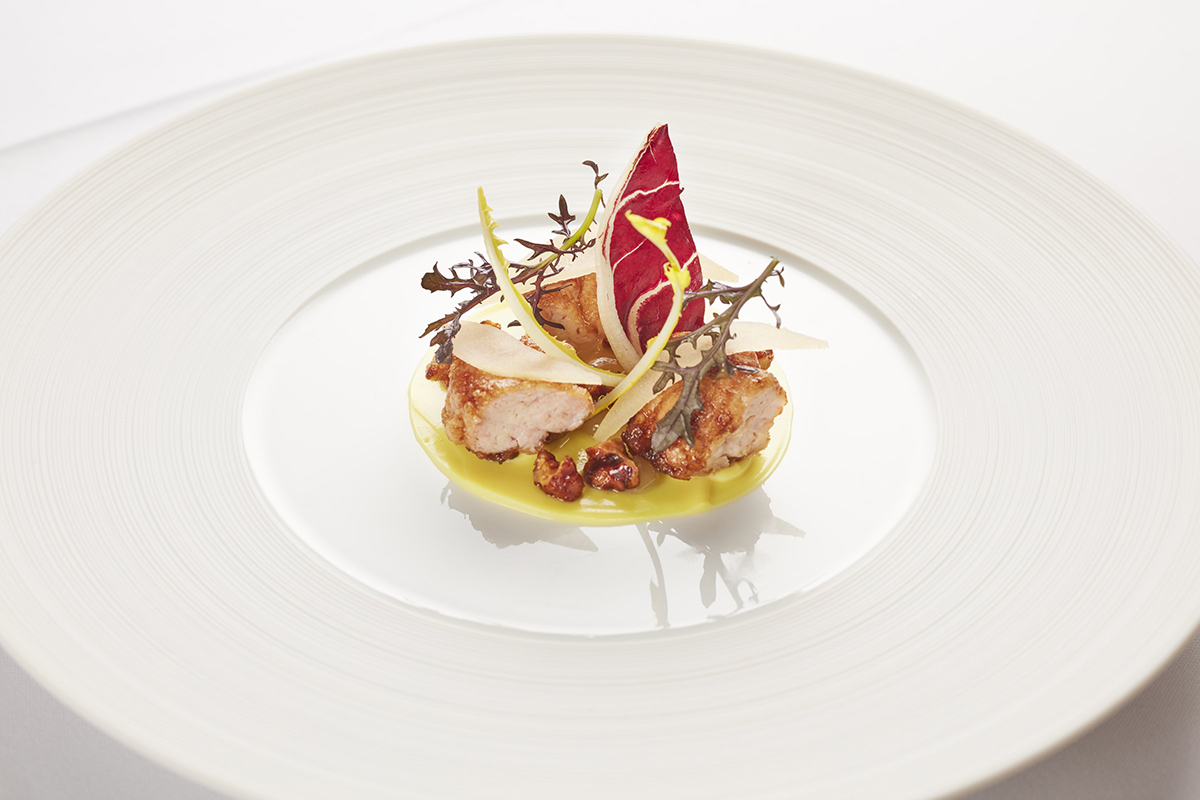
Each course surpassed its predecessor and the wine pairings ranged from Corpinnat to a trendy and elegant orange wine with an earthy nose and full round entree to the palate with a cool crisp and clean finish. Sommelier Sergie worked hand in hand with Sofian to create this menu. Warm Iberico ham jelly was followed by veal sweetbreads, then butter poached cod, BBQ rack of Limousine veal, a selection of cheeses by Paxton & Whitfield, strawberries in extra virgin olive oil, Abinao chocolate and tapioca tart with Pedro Ximenez sherry and salted milk sorbet. Expectations were exceeded that evening. Matteo, our head waiter and Rosa who was serving in concert with Alesandro, created an unforgettable end to our day.

After a night of extraordinary service and food, seeing several parties being seated, treated, and severed…I believe at Ormer, they are expecting our and everyone else’s return.

 www.flemings-mayfair.co.uk

The Swank List – Fall 2022

Something for Everyone…    

The Brrrn

Can you feel it? So there’s getting your fitness on with Peloton but what’s missing? Sideways exercise, that’s what. We often focus on forward/backward motion fitness but miss out on toning and working out many muscle groups when we don’t include lateral exercises in our regimen. Lacking lateral movement can cause injury; that’s where the Brrrn board can help with low-

impact exercises. Easy to use, sleek design, and perfect for your home gym. Start Exercising Sideways to Move Your Fitness Forward!
The Benefits of Slide Board Workouts:

  • Tones your core, glutes and inner/outer thighs
  • Improves balance, mobility, and bodily awareness
  • Reduces the risk of injuries and muscular imbalances in your knees, hip, core, and back
  • Offers a fun, low-impact cardio solution for all ages and fitness levels
  • Burns up to 500 calories in 30 minutes
  • Trusted and beloved by professional and Olympic athletes
  • Made with a chic design and easy-grip handle to conveniently store at home

www.thebrrrn.com

BSW
A counter culture lifestyle brand

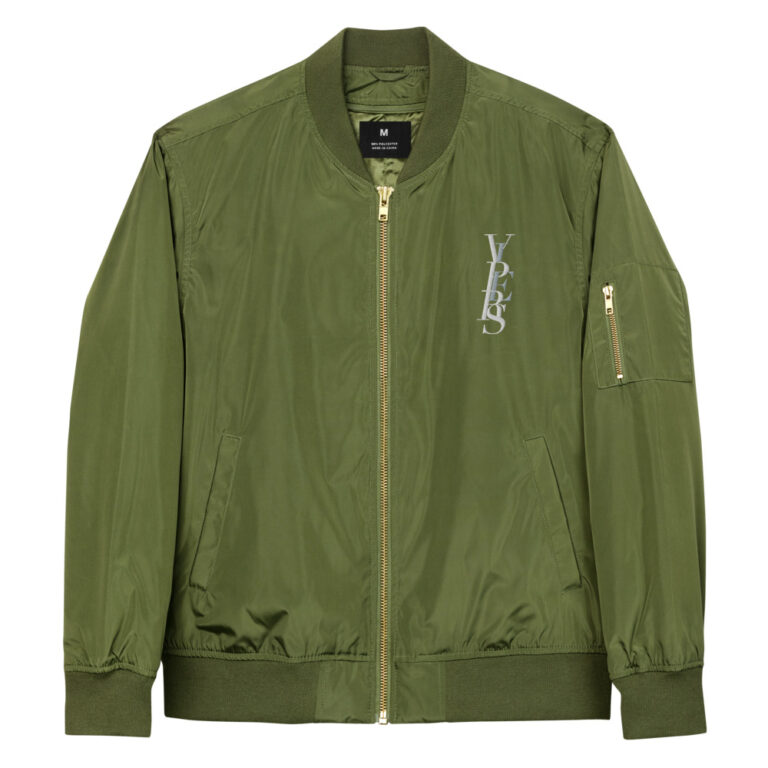
BSW Nation is a lifestyle wearable advocacy brand that dares to be blunt without compromising creativity. Created by cannabis advocate JM Balbuena author of “The Successful Canna-Preneur”, US Navy vet, born in the Dominican Republic. VIPERS CODE PREMIUM RECYCLED BOMBER JACKET Inspired by the 1920’s Jazz and blues vibes with a modern twist, our classic bomber jacket made of recycled materials will complement most outfits and styles, and keep you warm during chilly days.

www.bswnation.com

Deux Marie

Cosmetics and Skincare
This luxury brand’s products are vegan, paraben free and ty free.

The product line fves are the Nightwear Cream is a lightweight smoothing cream that visibly rejuvenates skin texture, nourishing the skin with the abundance of vitamins.

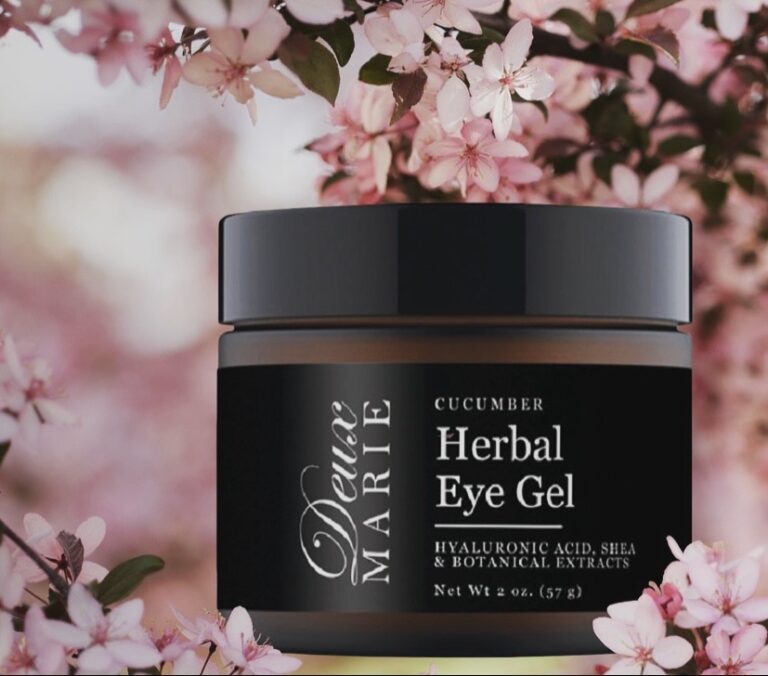
Deux Marie Cucumber Herbal Eye Gel that Decreases the appearance of eye fatigue, puffiness and dark circles. Soothe, nourish, and improve…these are the words that come to mind when using this line.

www.deuxmariecosmetics.com

Elina Organics

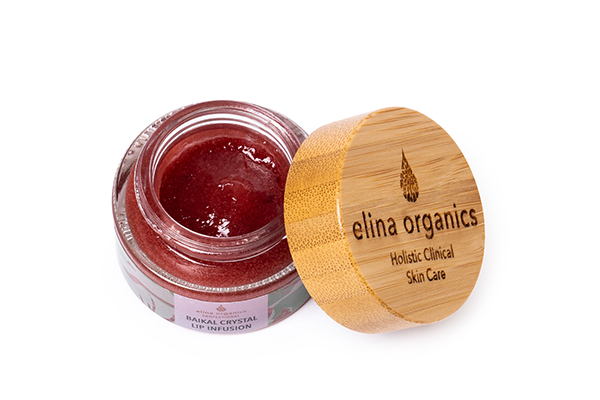
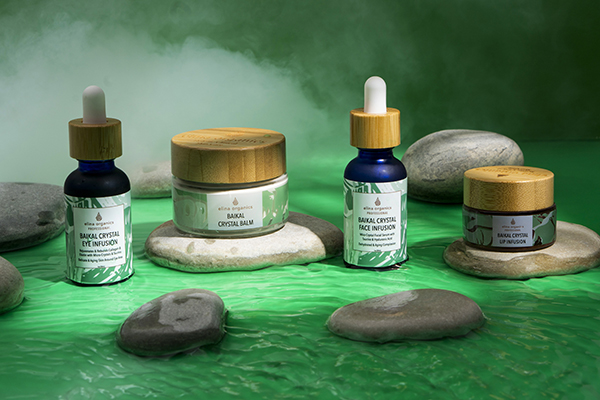
Elina Organics has just expanded its product line with the launch of its luxury Micro-Needling in a Bottle Baikal products. This brand expansion features organic, vegan, cruelty-free, handmade anti-aging products including the Baikal Crystal Face Infusion, a Baikal Crystal Eye Infusion, a Baikal Crystal Lip Infusion, and a Baikal Crystal Balm. As a natural, organic alternative to Micro-Needling and injectables, Elina Organics’ age-defying power Baikal product line offers a more effective and less invasive skincare solution while delivering skin-restoration, hydration and skin nourishment.

These new anti-aging products all revitalize the skin with Lubomirskia micro-crystals penetrating the skin, creating micro-channels that stimulate active skin repair processes and collagen regeneration while delivering skin-firming micronutrients to nourish live skin cells.

www.ElinaOrganics.com

RevealU Skincare

RevealU Skincare products are designed for all skin types, sensitives, ages, ethnicities and are unisex. Their simple skincare product lines are colorful, a beautiful rainbow that inspires happiness, togetherness, hope and good fortune. RevealU’s products are designed to hydrate, protect, and rejuvenate the skin without unnatural preservatives, perfumes or chemicals. They are fragrance free, paraben free, cruelty free, and vegan. They even have a new oxygen infused line, designed to bring a healthy boost of oxygen to the skin with a natural ion exchange of mineral elements to revive the skin so it can do what it does best, help your skin become beautiful and healthy from the inside out. RevealU’s motto “Be you, naturally” consistently drives the company to continue to bring nature and science-based products to consumers who focus on simple and healthy alternatives to nourish and protect the skin and body.

 www.revealu.com

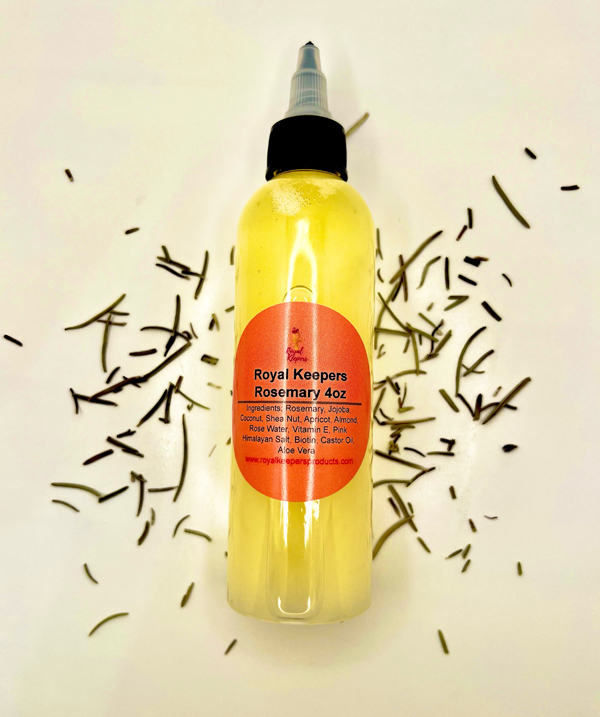
Royal Keepers Products

Royal Keepers Products is an affordable, natural hair & skin care line filled with numerous vitamins, minerals, herbs, plants & fruits that have healing benefits for hair and skin. These products combat a large range of issues targeting extreme skin conditions such as psoriasis, eczema, dry peeling skin, dandruff, flakes and many more. Products do not include alcohol, perfumes, or preservatives. Royal Keepers Products keep men and women’s hair and skin at its healthiest condition. Oils can be used as a daily moisturizer for both hair and skin. More importantly, it will also help to grow and thicken the hair. The shampoo can be used as a hair wash and liquid body wash. The conditioner is great for softening and restoring moisture and vitamins to the hair. The beard/body butter is extremely soothing, moisturizing, and nourishing.

www.royalkeepersproducts.com

Swellegant Stays: Queens Hotel, Cheltenham, England

It’s funny to think that hotels weren’t always a thing. Travelers stayed in inns or boarding houses, rented a house, or stayed with family and friends. Queens Hotel in the fashionable English spa town of Cheltenham opened its doors to the public on 21st July 1838 and was one of the very first purpose-built hotels in Europe. Queen Victoria’s coronation had taken place just one month before, and it is in her honor the hotel was named.

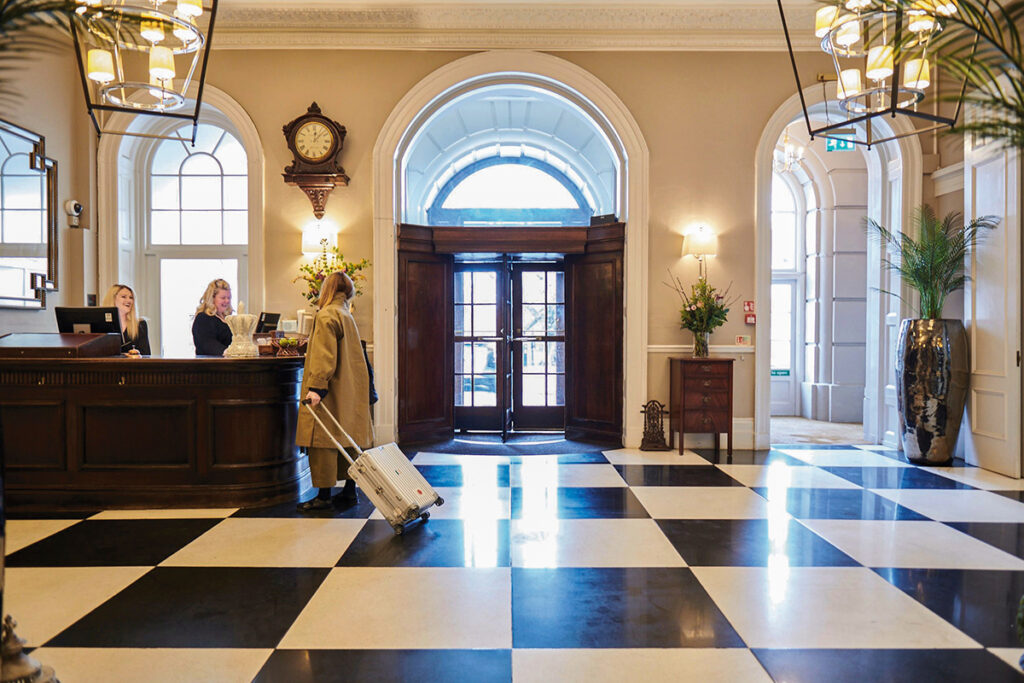
Almost 200 years on, Cheltenham is still a popular tourist destination and Queens Hotel remains the best address in town. It hosted the classical composer Edward Elgar, as well as Sir Arthur Conon Doyle, the creator of Sherlock Holmes. Behind the neo-classical facade, which was inspired by a Roman temple and includes 50 Corinthian columns, the interiors have been exquisitely restored. The wallpaper designed by Augustus Pugin (who was also responsible for the interiors of the Houses of Parliament in Westminster) has been painstakingly preserved, and where sections were damaged they have been replicated so closely that you can scarcely tell the old and new apart.

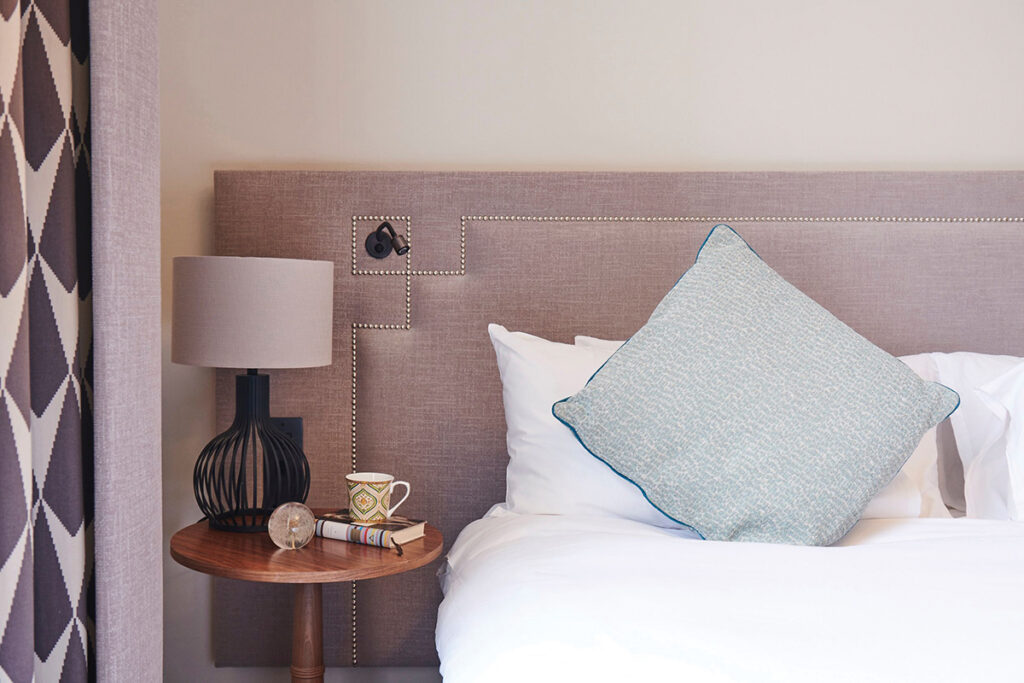
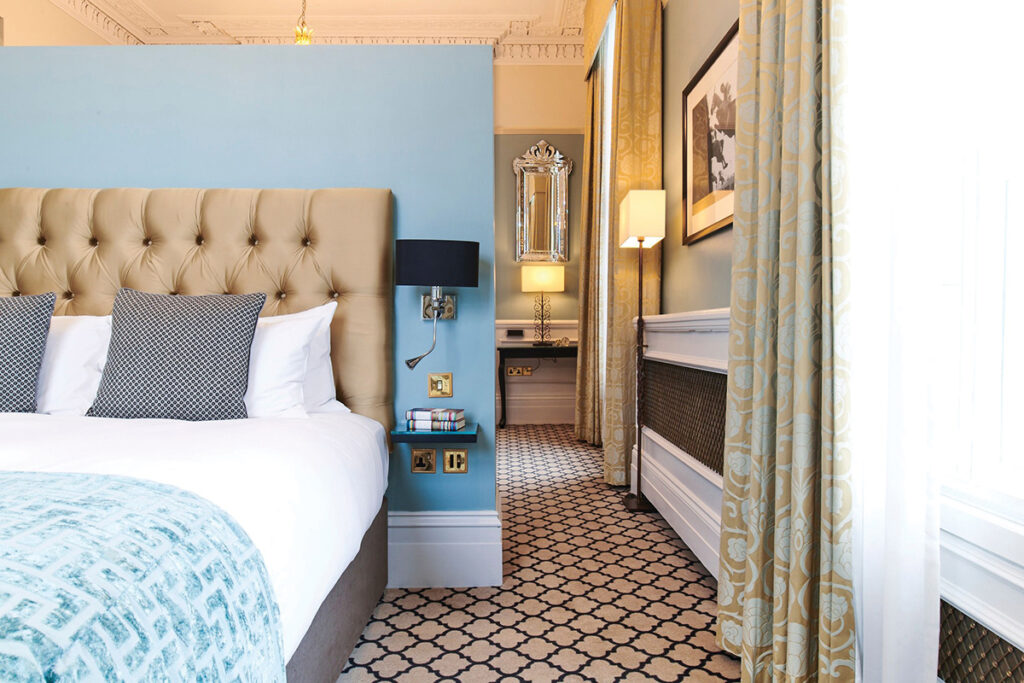
Guest rooms are accessed via a dramatic sweep of Victorian staircase, and they’re equipped with everything you need for an elegant, romantic weekend away.  Superior Rooms  overlook  Cheltenham’s Imperial Gardens; and the large Executive Rooms all have bath tubs to maximize your relaxation.

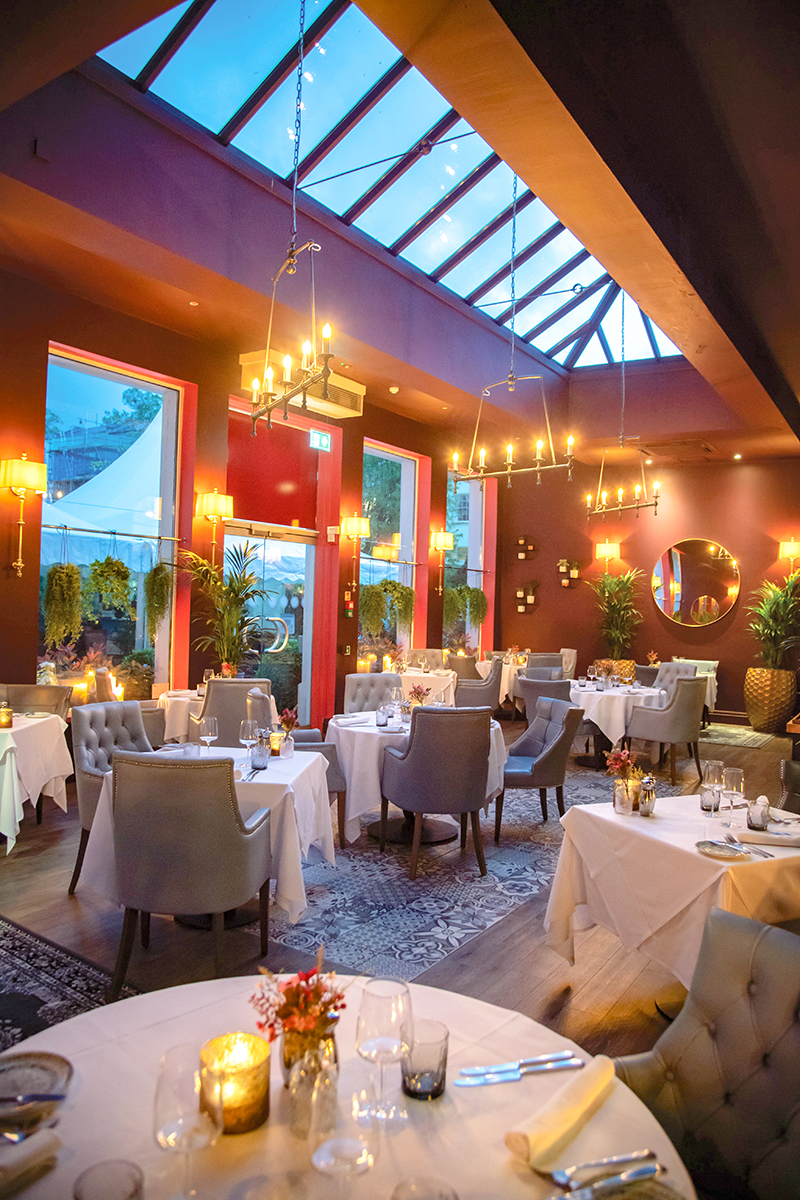
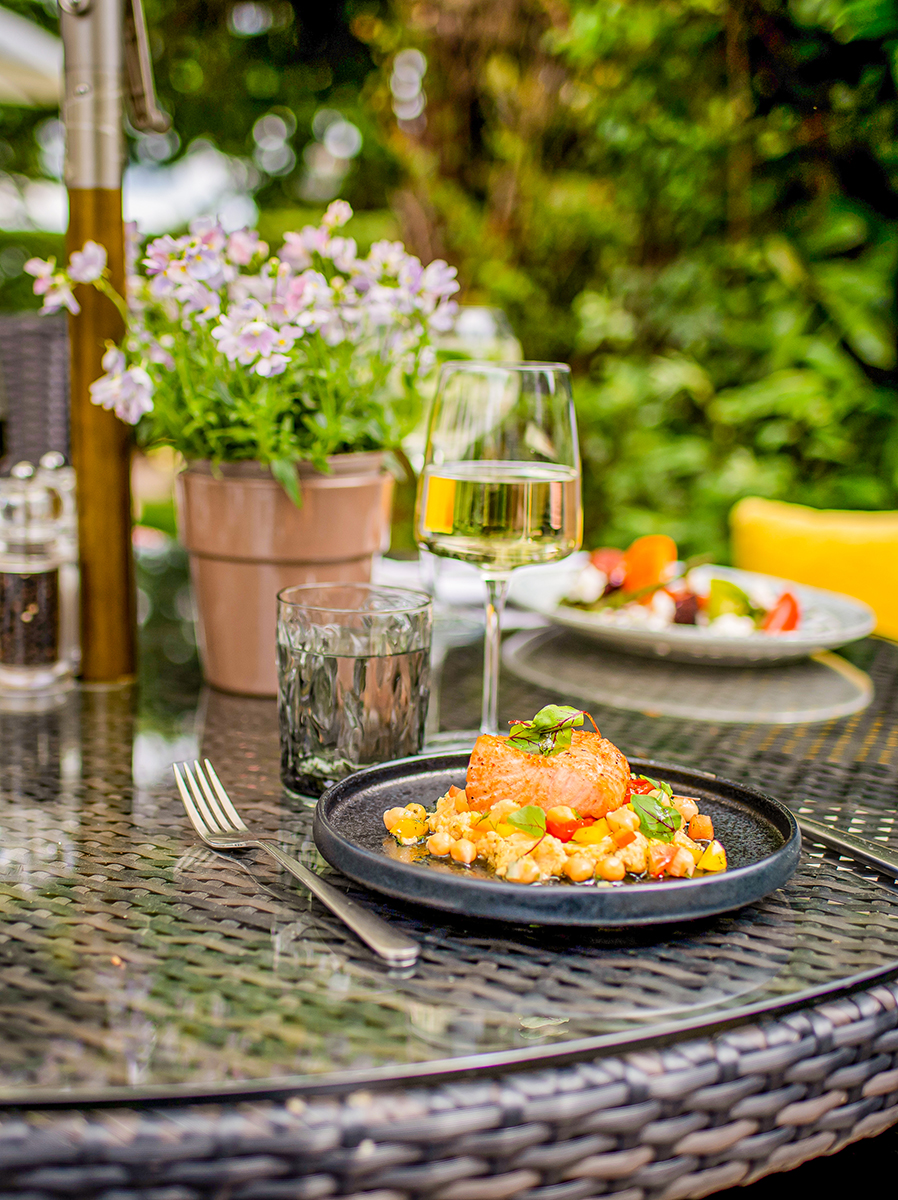
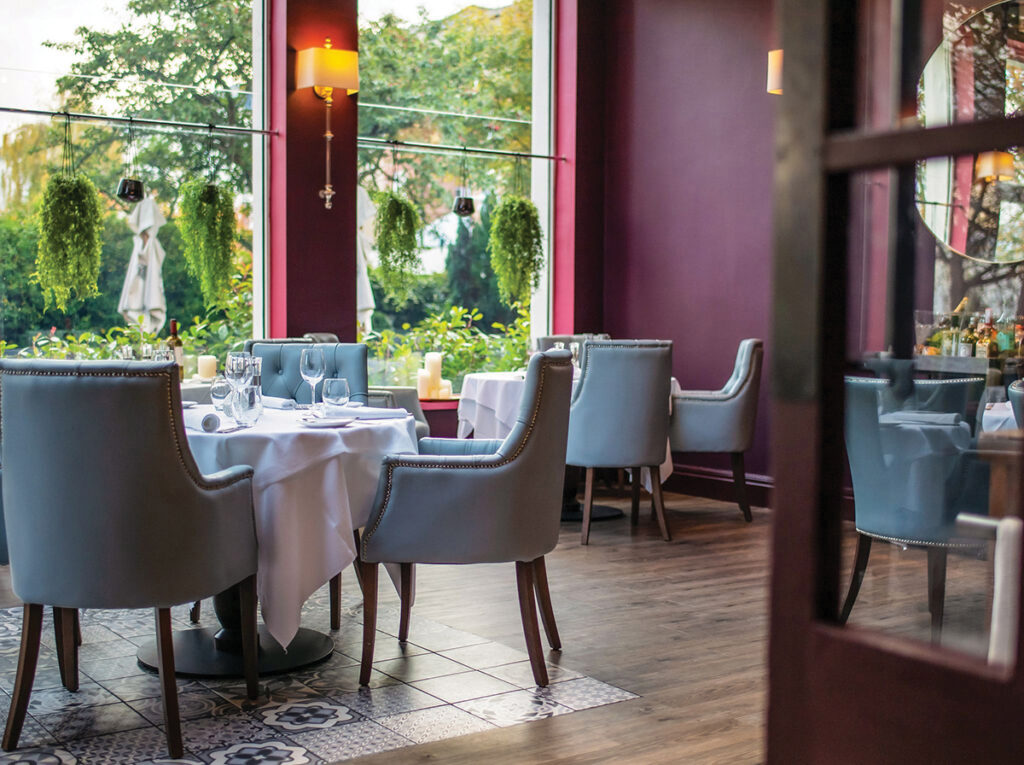
Cheltenham has many fine dining establishments nearby, including Chef Raymond Blanc’s Brasserie Blanc which is right next door. However, few of these can rival Queens’ own restaurant, Victoria’s, which serves up perfectly-crafted plates in a stylish dining room opening out onto the garden. Sunlight floods the room through full-length windows and long skylights, making it feel like an orangery. The menu is the best of British, with a bold contemporary flair, artistic presentation, and an exceptional level of attentive yet unfussy service which can only be refined over two centuries of welcoming guests.

www.queenshotelcheltenham.co.uk

Swellegant Stays: Francis Hotel, Bath, England

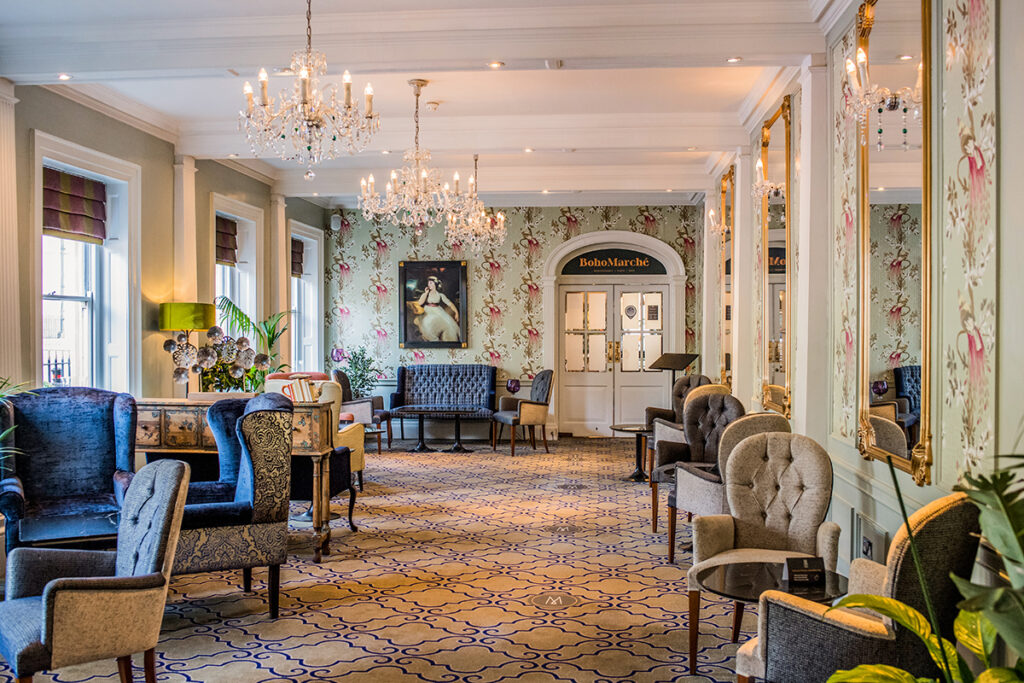
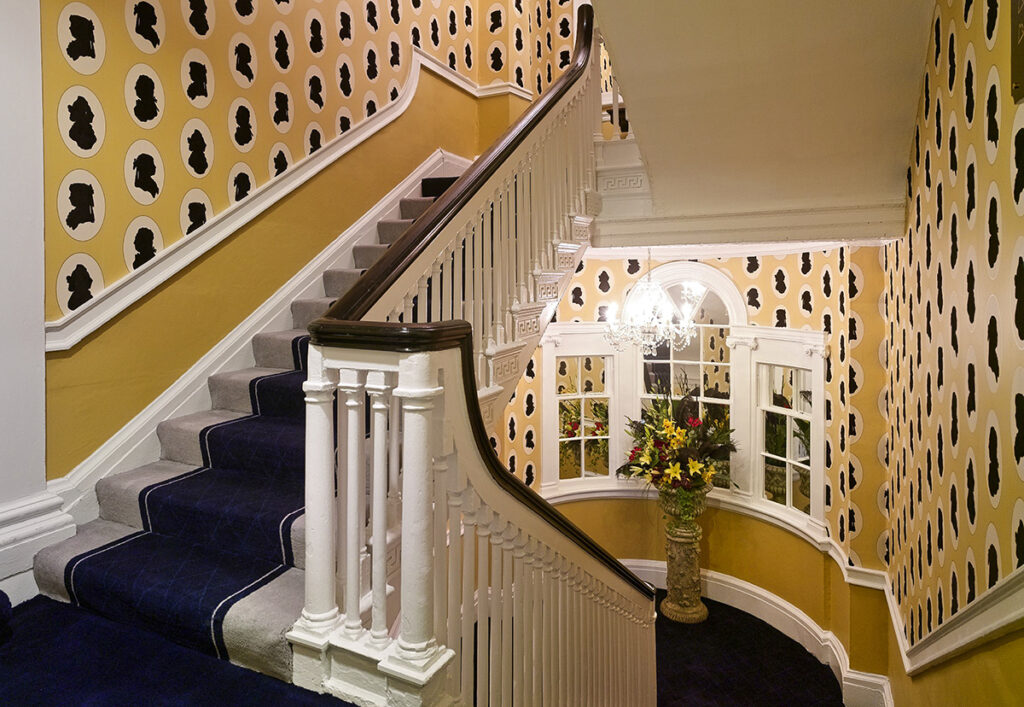
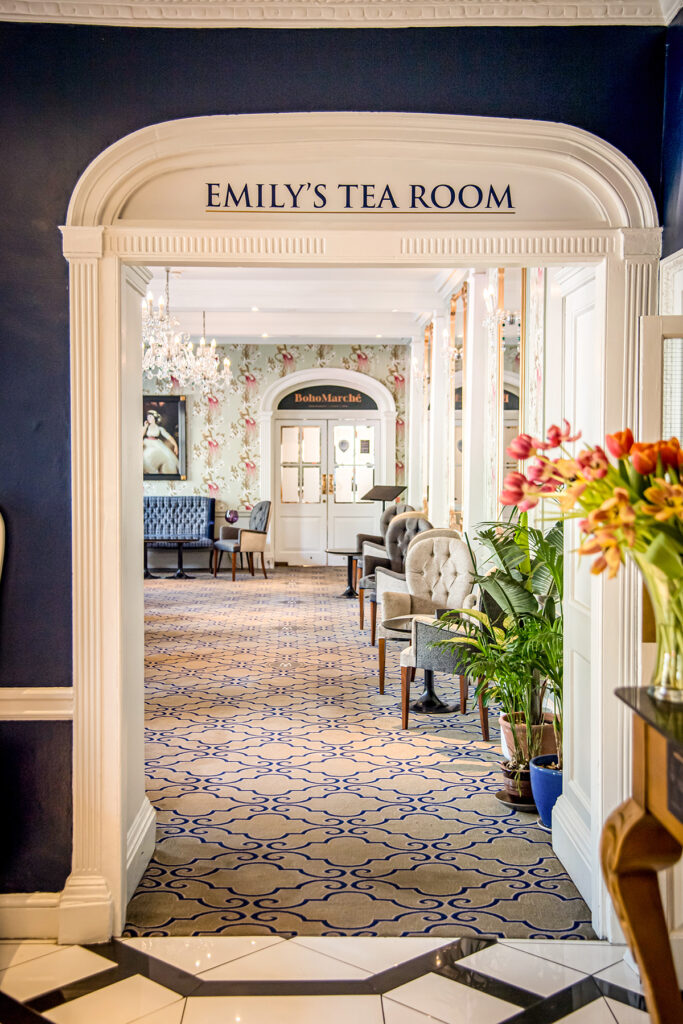
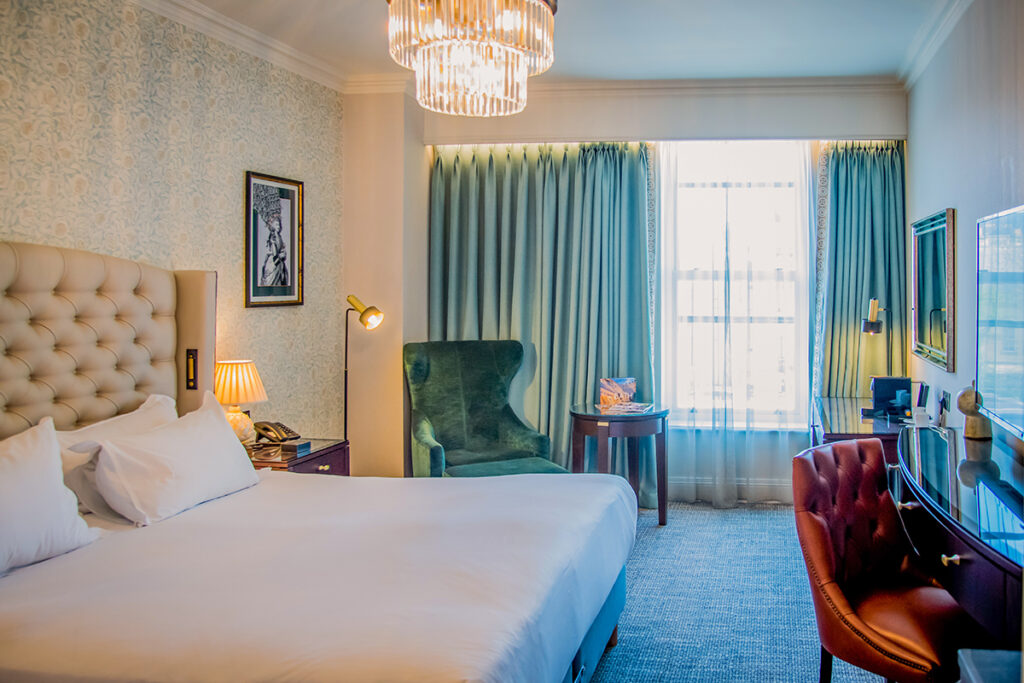
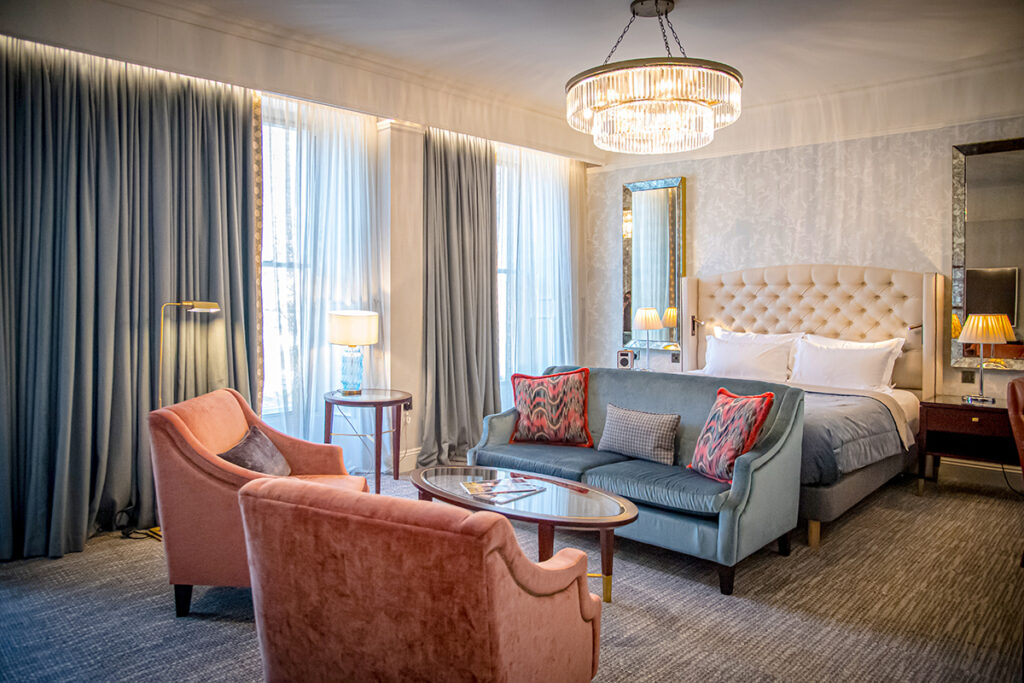
What does it mean to be quintessentially British? At Francis Hotel in Bath, it’s about balancing history and tradition with creative, contemporary life. The Grade I listed building is a magnificent example of John Wood the Elder’s Georgian architecture. It is in the heart of the UNESCO World Heritage city, and located just across Queens Square from the Jane Austen Centre. At the same time, the hotel is far from stuck in the past: it’s been lovingly restored with a 21st-century take on elegance, including plenty of quirky features we loved.

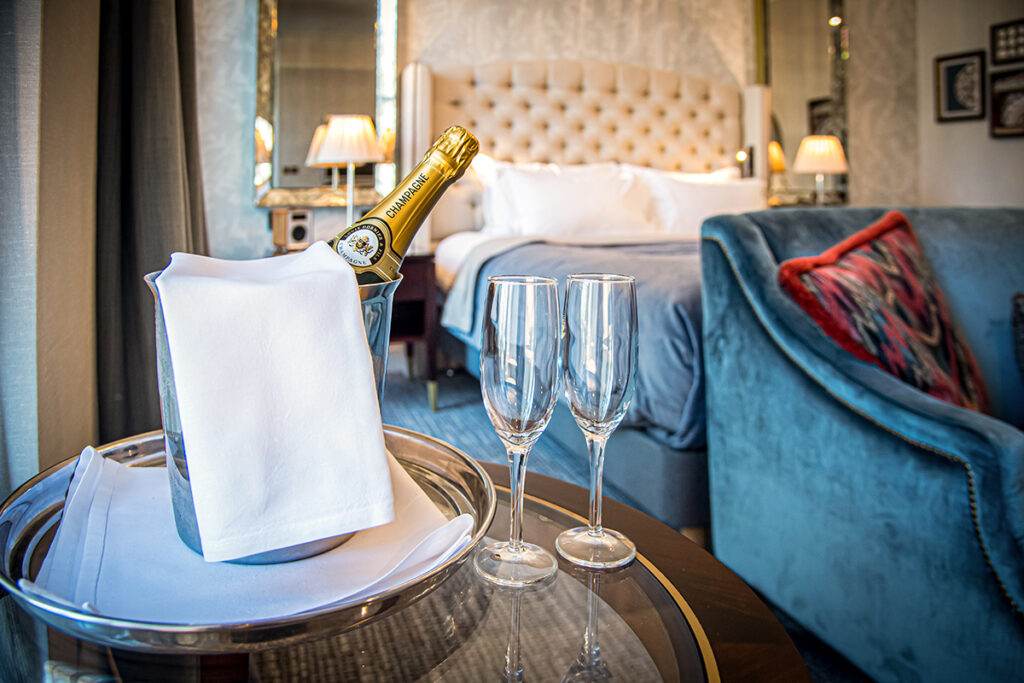
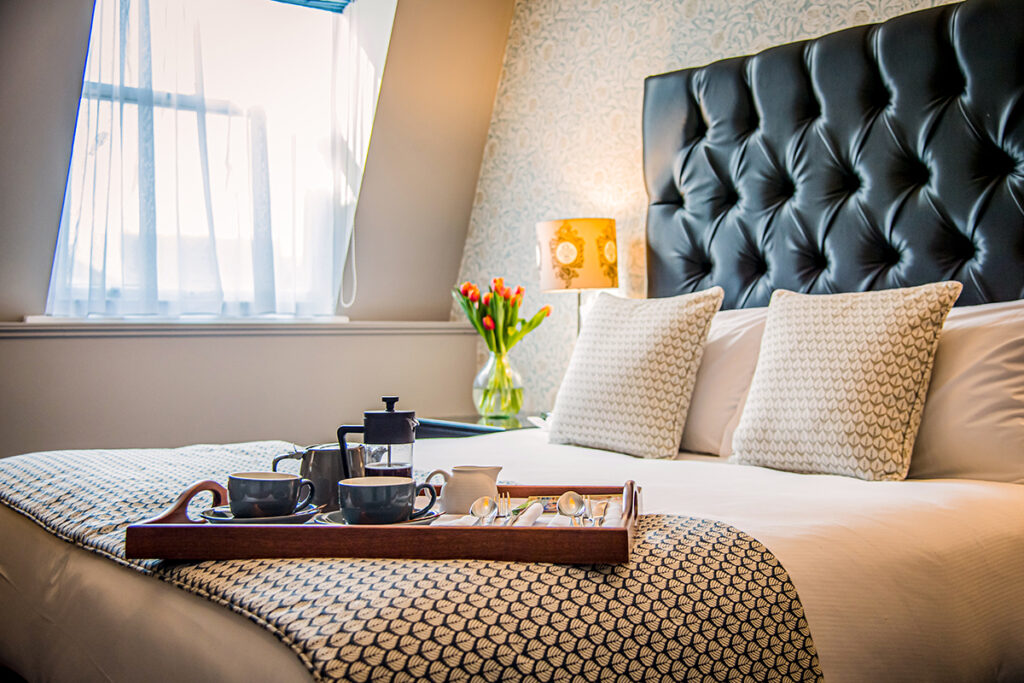
Behind the grand facade are 98 rooms, many of which are dog-friendly, so convenient if you are traveling with your pooch in tow. Many of the large Feature Rooms have four-poster beds and look out over the square, and as all of them are individually designed, there are plenty of intriguing creative touches to admire.

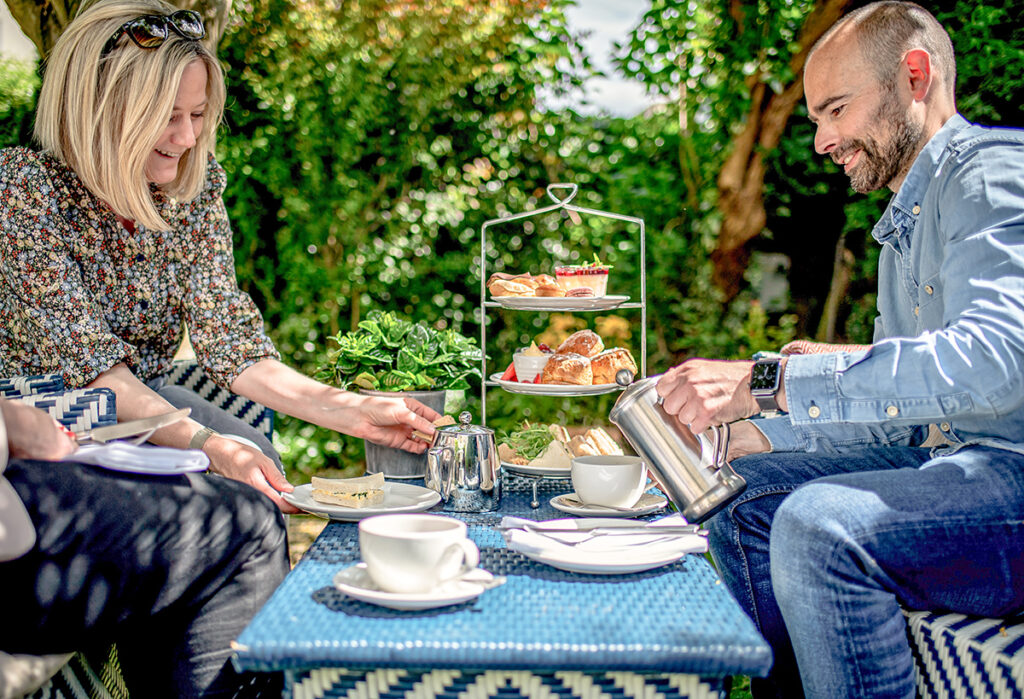
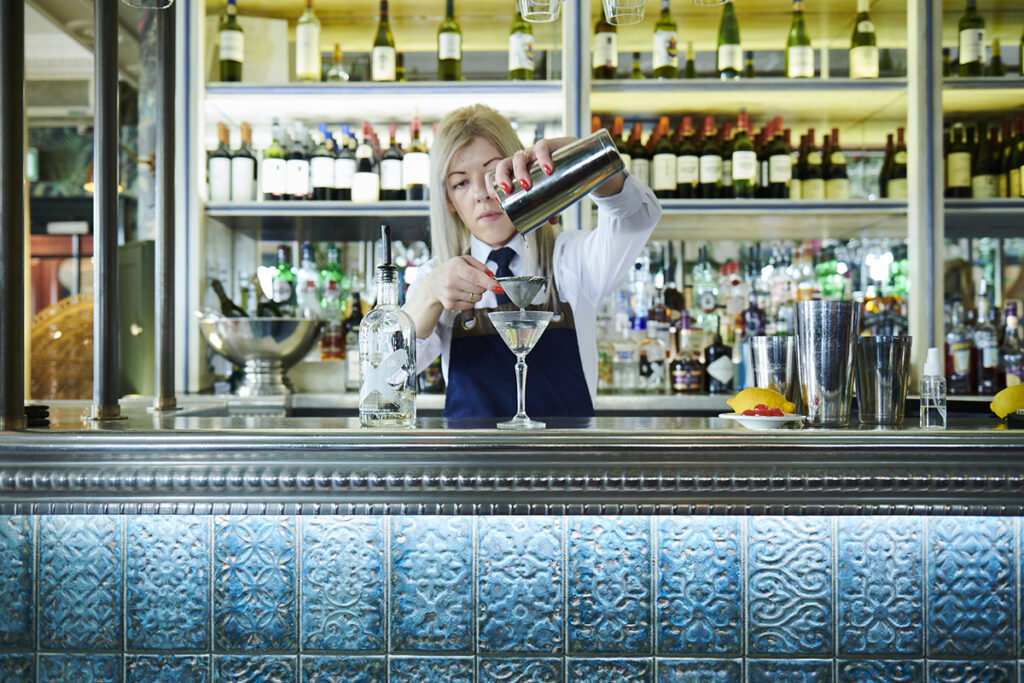
When you are ready for dinner or a drink, sashay down the staircase bar and lobby. This is where afternoon tea and gin and tonics are served. Like the Francis Hotel itself, the traditional afternoon tea menu does have a twist: there’s a sticky toffee pudding served with Earl Grey tea-infused salted caramel, just in case your Victoria sponge cake and scones with clotted cream don’t feel quite decadent enough.

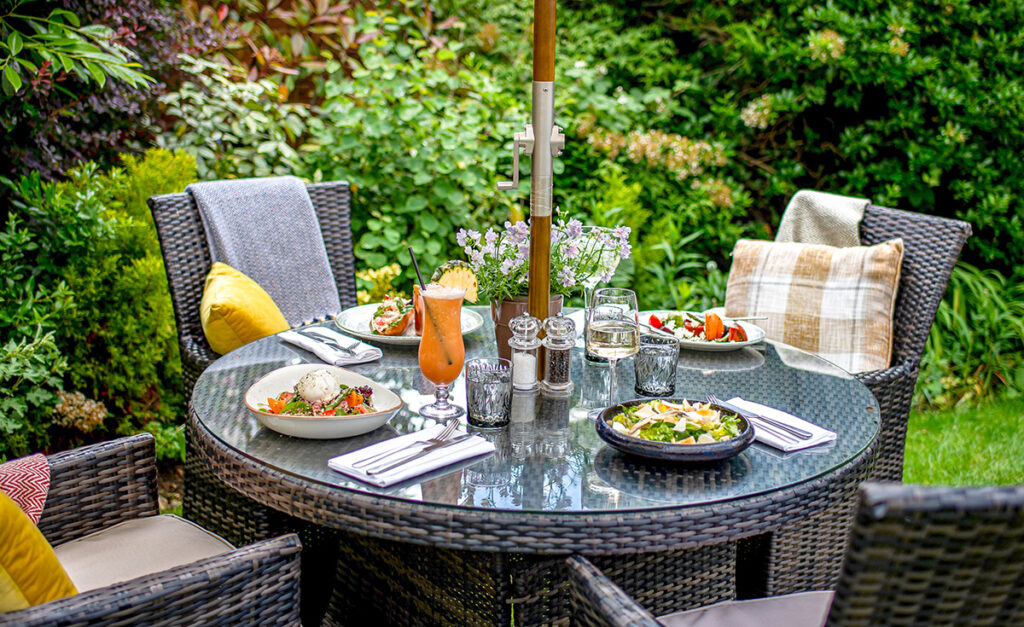
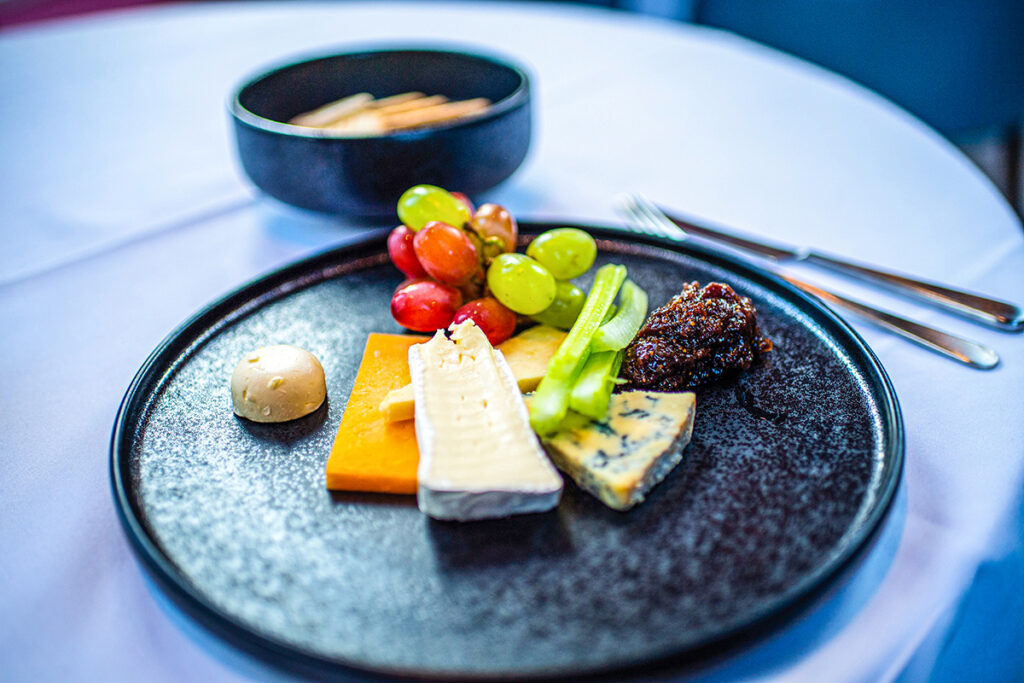
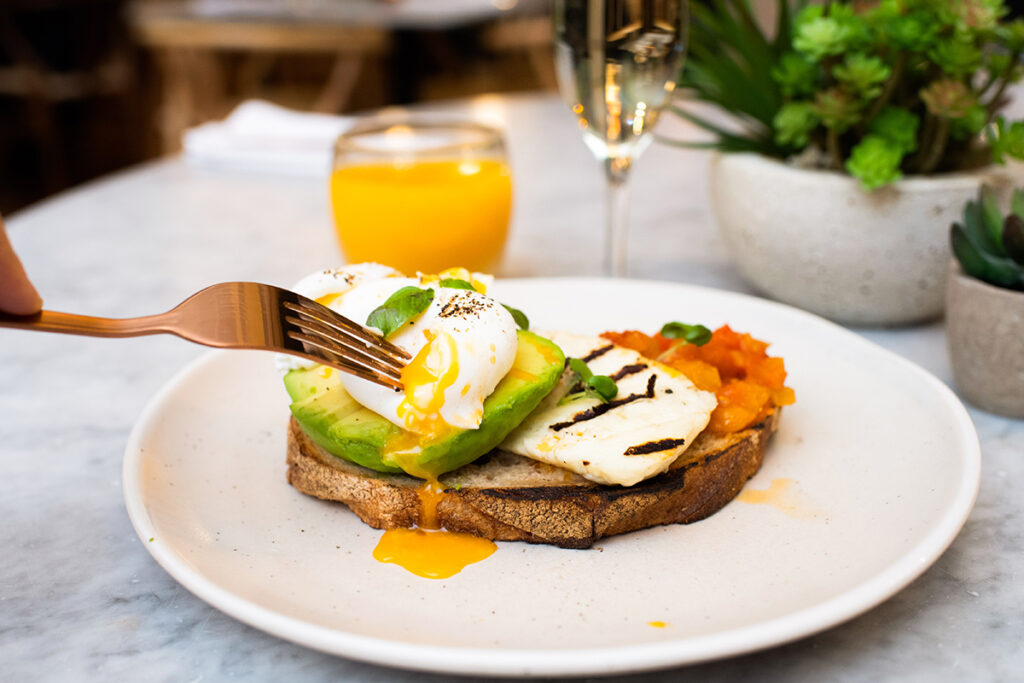
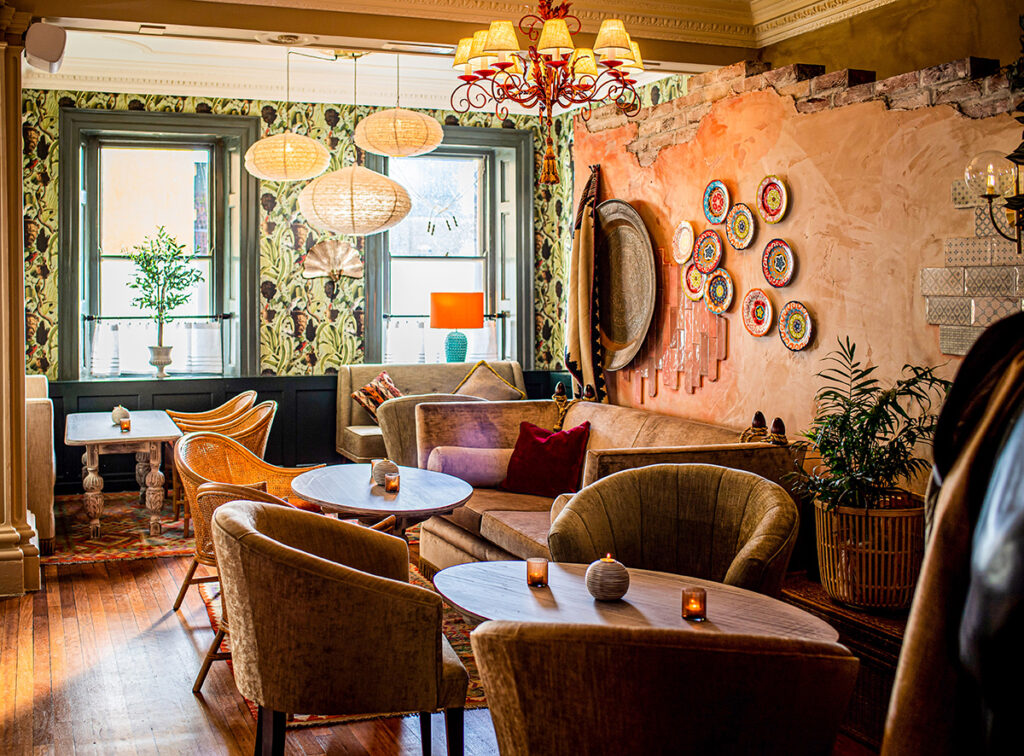
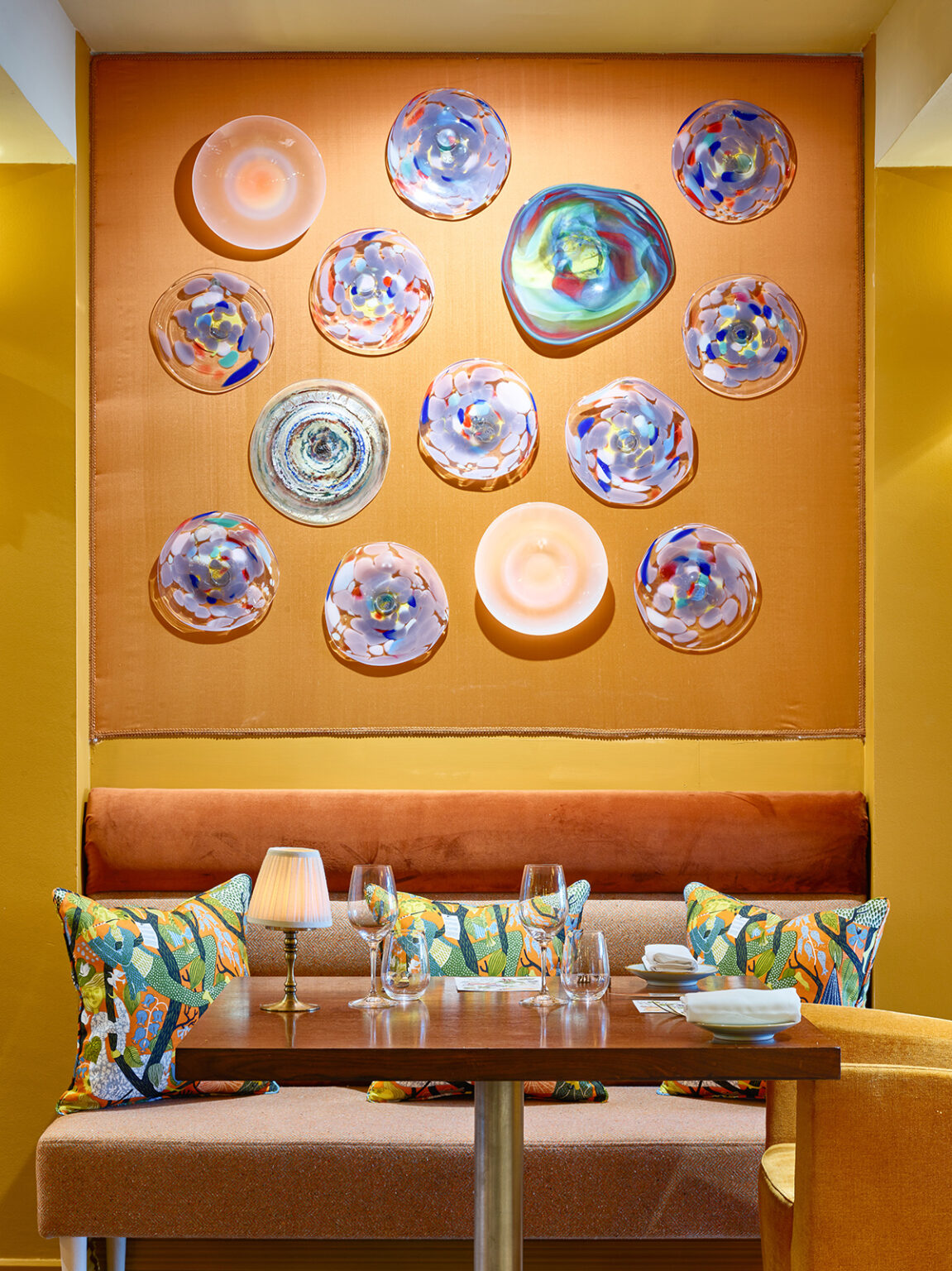
In the hotel’s Boho Marché restaurant, Marrakech meets the Mediterranean and spills out from the Regency building onto the outdoor terrace. It’s a fabulously imaginative addition to Bath’s dining scene. The colors are bold, the textiles are vibrant, and the menu packs a punch with its flavors. Ask for the table beside the life-sized model of a horse and order yourself anchovy crisps with goat butter, spicy salmon tostadas, and the duck salad glazed with plum and soy sauce. You’ll undoubtedly want a cocktail too, and the Moroccan Mojo (a mojito finished with rose water) is sublime on a summer evening.

www.francishotel.com