
A Letter From Asia: Yerevan, Armenia

0
2855

My love of Armenia began in the departure lounge, where broad smiles and carefree conversations made for a party atmosphere. Passengers and crew alike knew that we were taking part in something special: the return of direct flights between the UK and Yerevan, Armenia’s capital, after a gap of more than 15 years. 


For me and for my fellow Brits, it meant that Armenia was now much more feasible for a few days of fascination without the purgatory of a transit stop. As for the Armenians on the flight – part of the 8 million-strong worldwide diaspora – the reconnection was spiritual. And Armenia is a country rich in spirit: the fighting spirit that comes from being landlocked and historically embattled; the holy spirit as the world’s first Christian nation; and, thanks to Soviet trade policies, home to a generous portion of brandy spirit, too. 

As we descended towards Yerevan, at the start of my trip with Armenia travel experts phoenixtour, I had an unexpected moment of unforgettable awe. Lit by a full moon low in the sky were the snowfields of Mount Ararat – a great volcanic cone rising more than 5,000 meters into the night. I knew that the mountain where Noah’s Ark is said to have settled appears on Yerevan’s horizon, but I had not expected it to feel so close and commanding. 
Each evening of my stay, I found myself drawn to viewpoints across the city: the high terraces of the monumental Cascade Complex, a 10-minute walk from my hotel; the quiet platform of the Genocide Memorial; and the foot of the towering statue of Mother Armenia. From each vantage point, I watched Ararat turn from white to pink in the sunset while Yerevan’s rose-tinted volcanic stone buildings glowed in sympathetic harmony. No wonder Armenians are obsessed with Ararat – a mountain that is the constant companion of much of the home-soil population, yet which sits, because of politics, just over the border with Turkey. That, too, is a legacy of Stalin, the man whose statue was replaced by Mother Armenia.

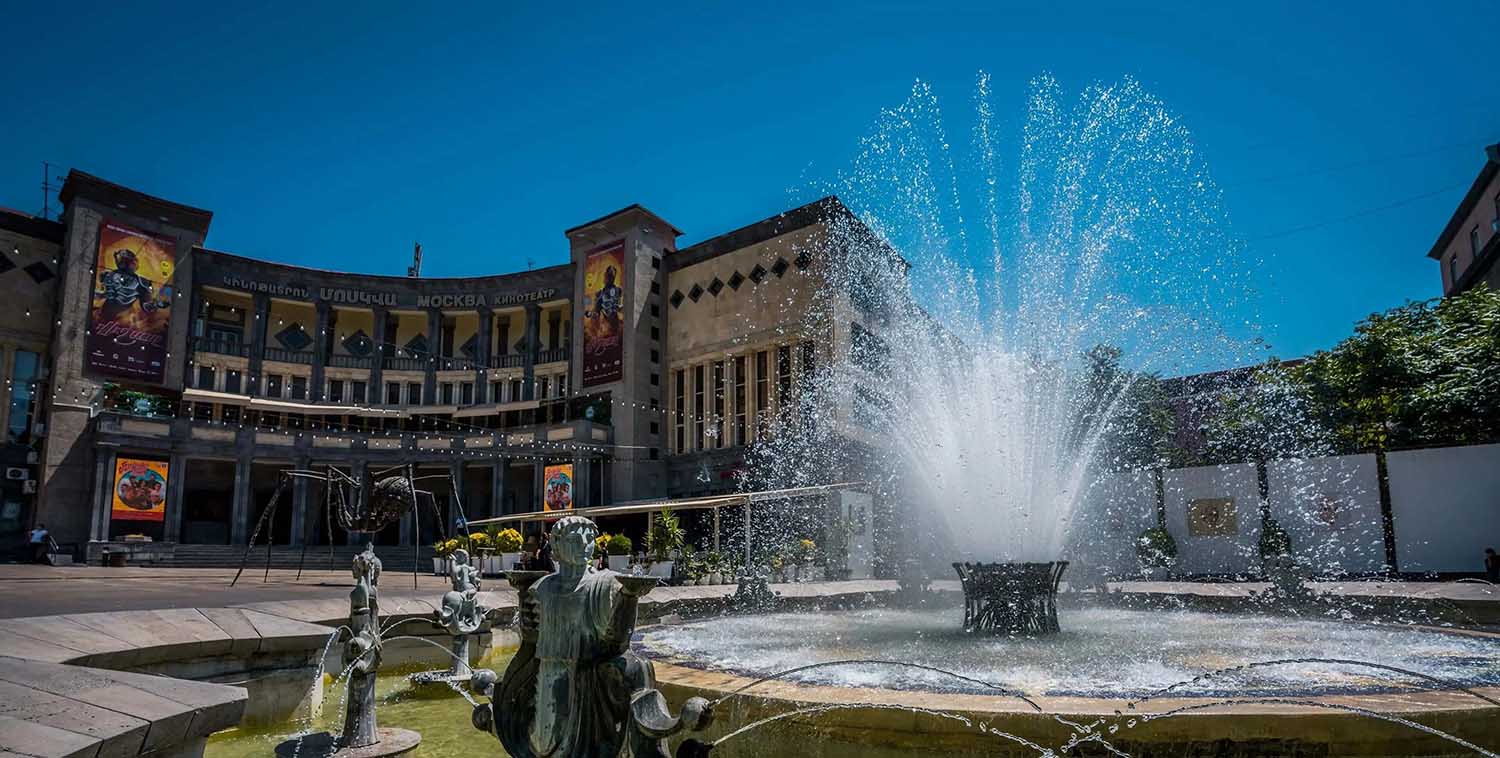
Apart from falling under the spell of Ararat, the other inevitability in Yerevan is to find yourself in Republic Square. Such enormous spaces are common across former Soviet cities, but this one is different: its orange, red and yellow tufa stone allows for decorative carving far beyond the hammer and sickle. It is glowingly elegant rather than brutal and, perhaps, metaphorically symbolic of the nation as a whole.

Crowning the square, above fountains that play each night in a light and music show, is the History Museum of Armenia, where the nation explains itself. The museum is astonishingly good; its treasures include the world’s oldest shoe, found in a cave alongside the earliest known wine‑making vessels, and a cuneiform tablet marking Yerevan’s foundation in 782 BC – about thirty years before Rome. Armenia has a habit of being the unsung yardstick of what it means to be ancient.

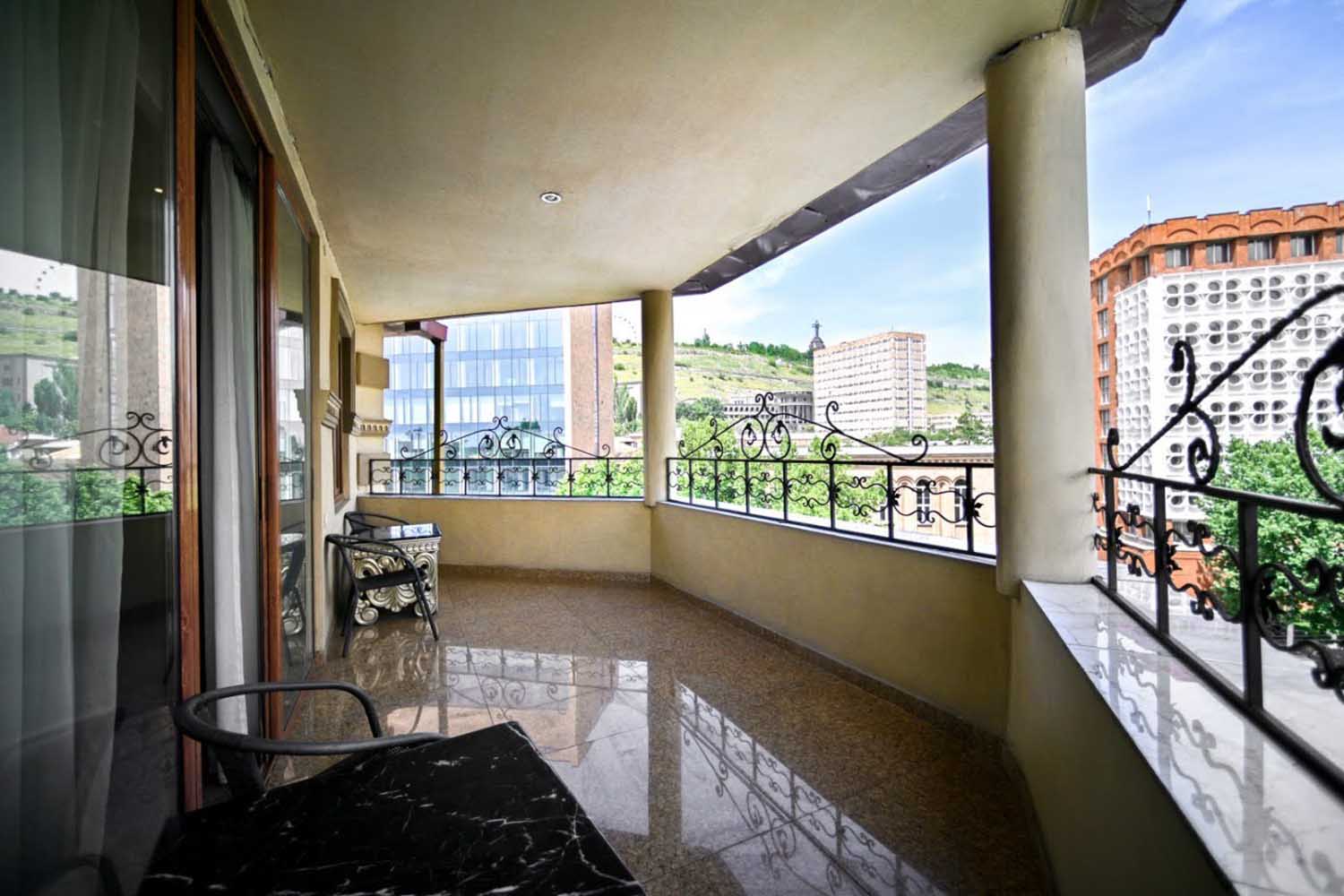
I stayed at the Imperial Palace Hotel, an imposing building dating from 1927 but fully renovated to meet the demands of modern travelers. The hotel is an important part of Yerevan’s eclectic architectural heritage, parts of which I stumbled upon quite by accident.

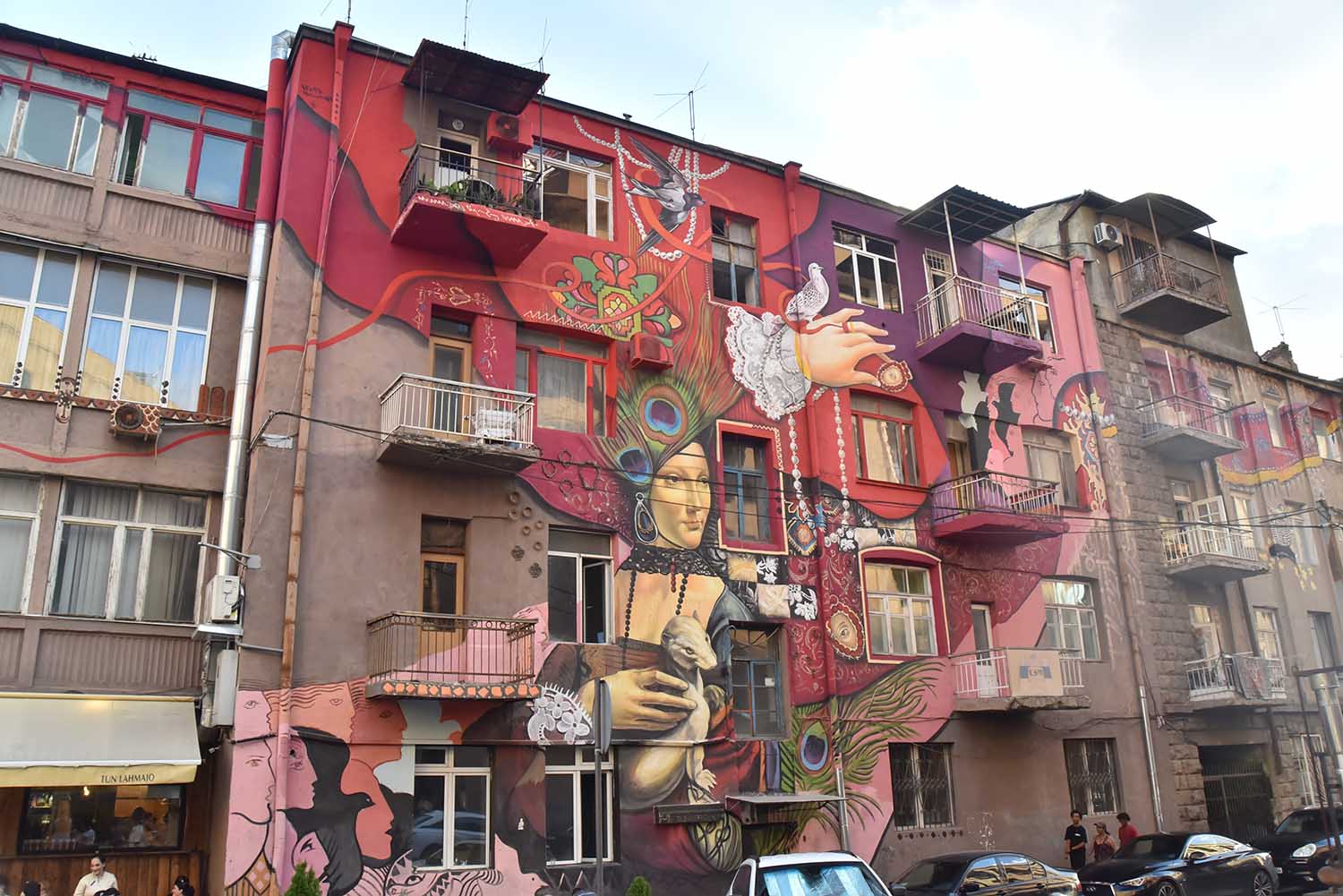
On my second day, I peered over a wall and saw a huge, bone-dry fountain shaped like an intricate flower. As it dawned on me that this was a brutalist marvel of Yerevan’s Soviet past, I also realised that it was the entrance to the central metro station. Always somewhat nervous of public transport in unfamiliar cities, I descended with a raised pulse and discovered utter delight: a tap of my debit card let me into another world of rattling three-carriage trains plunging to depths of more than 70 meters. Other stations proved to be just as intriguing, and even though the single line runs for little more than 8 miles, different corners of the city revealed yet more retro gems. My camera shutter was busy.

I’m a sucker for design, and in Yerevan, grace, refinement and sophistication are everywhere—even in the alphabet. Created in the fifth century by the musician Mesrop Mashtots, this beguiling script allowed the Bible to be translated and set Armenia apart from that moment on. The best place to appreciate it is the Manuscript Museum, a treasure trove of thousands of works that testify to the profundity and refinement of Armenian culture.

I ate Western Armenian dishes at Anteb on Yeznik Koghbatsi Street – excellent manti soup and plates rich with aubergine, walnuts and artichoke – in the company of a new local friend. She told me that she held dual Greek nationality and could easily emigrate to any EU country. I asked why she hadn’t. “Yerevan” was all she said in reply. She was right. Though east of Turkey, Yerevan feels like Europe without many of its downsides: it’s safe, civilized, quietly confident, and captivating.

Until we see each other again,

Digital Version

Subscribe to Swanky Retreats Magazine’s DIGITAL version. Read the latest issue online or download it to your computer.