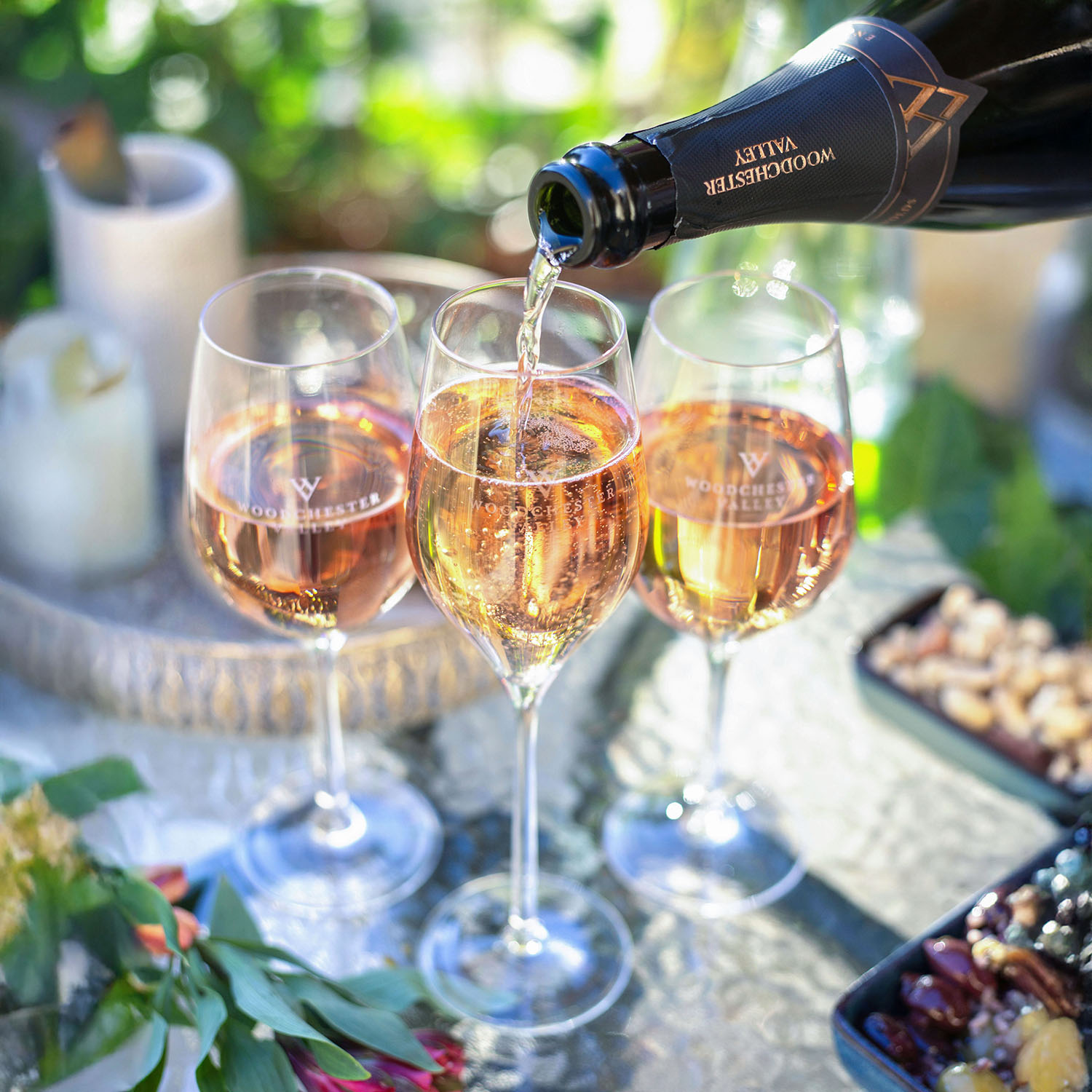
Swanky Sips: Woodchester Valley Vineyard

0
1525

The Romans planted vineyards across Britain, their wines quenching the thirsts of noblemen and centurions, farmers and slaves alike. But after they left in the early 5th century AD, the country’s climate and tastes changed, and the winemaking industry quickly disappeared, too. It would be more than 1,500 years before the start of the English wine revival, and we are only now sipping its rewards.

The speed of growth in the English wine industry, once this renaissance did get started, has been remarkable. In the past 20 years, the amount of land cultivated as vineyards has expanded more than 500%, and there are now around 1,100 vineyards in the UK, including a handful in Scotland. The acreage and harvests are increasing year by year, and English wines, in particular sparkling wines, are winning more and more awards. Global warming has played its part – the climate in southern England is now akin to that in Champagne in the 1980s – but so too has growing consumer interest and winemakers’ skills.

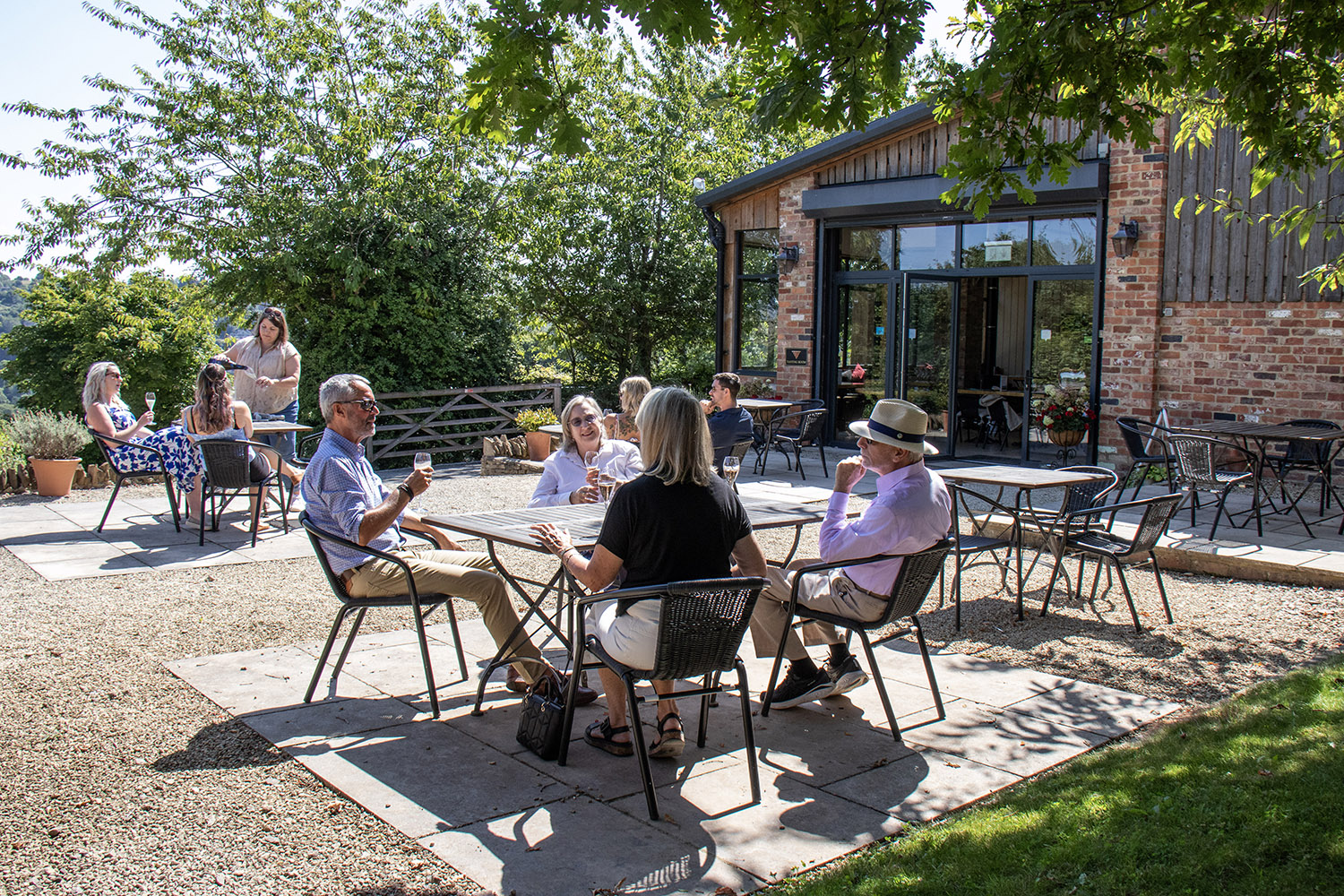
One glorious summer weekend, I drove out through the winding lanes and rolling hills of the South Cotswolds Area of Outstanding Natural Beauty (AONB) near Bath. The fields were turning steadily from green to gold, and in a particularly magical moment, I caught the song of a skylark on the breeze. My destination was the Woodchester Valley Vineyard, perched on a hilltop just south of the historic market town of Stroud.

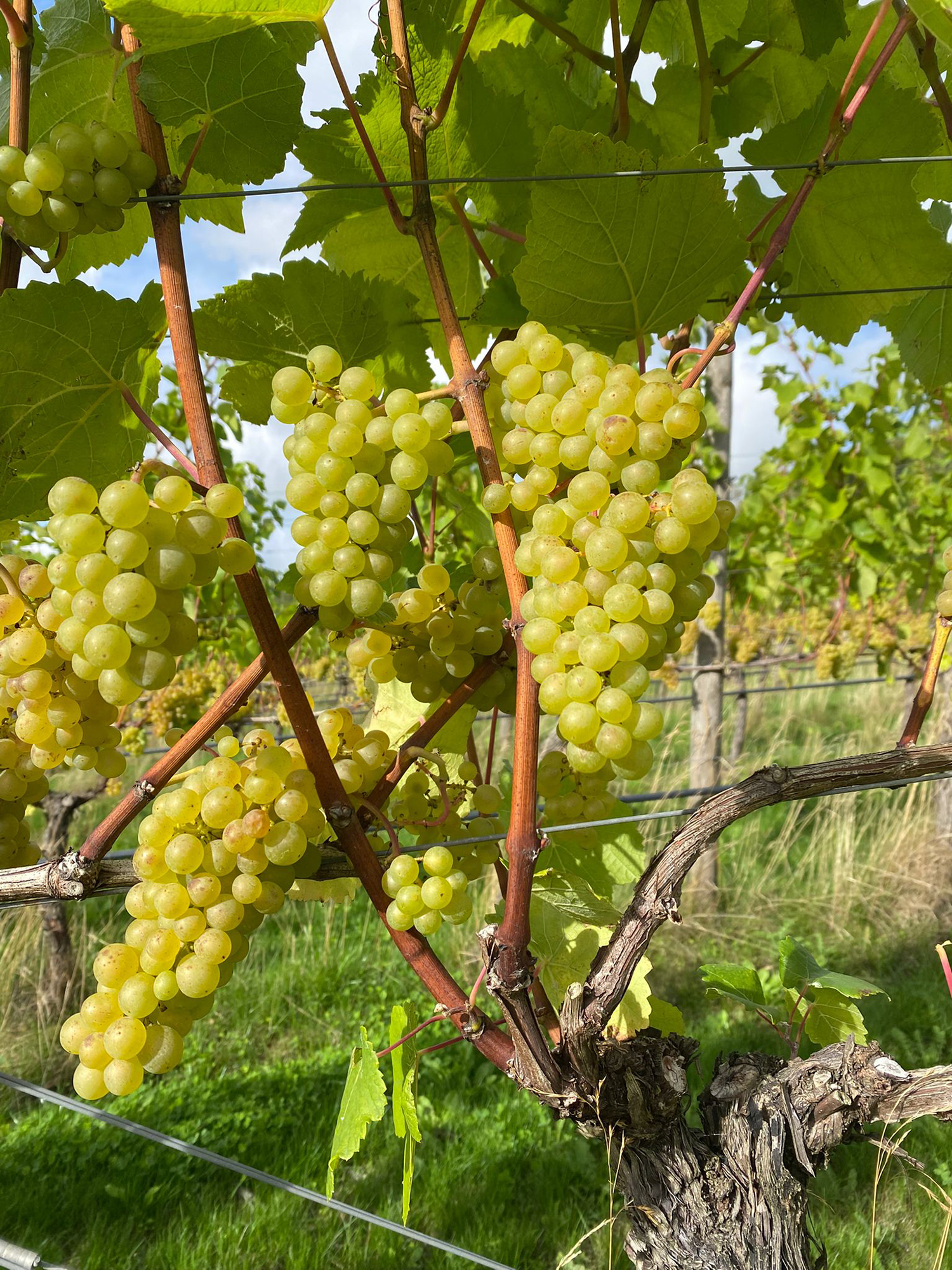
Owner Fiona Shiner planted the first Woodchester vines 15 years ago. Today, there are 83,000 vines covering 57 acres, so the vineyard is around five times the size of the national average. Pinot Noir and Chardonnay varietals thrive in the Cotswolds’ limestone-rich soils, but Fiona and her team have also found that Bacchus grapes grow well in the clay at their nearby Stonehouse site. They are also now experimenting with Pinot Meunier, Pinot Gris, Pinot Blanc, Regent, Seyval Blanc, Siegerrebe, Solaris, Sauvignon Blanc and Ortega, broadening further the styles of wine they can make.

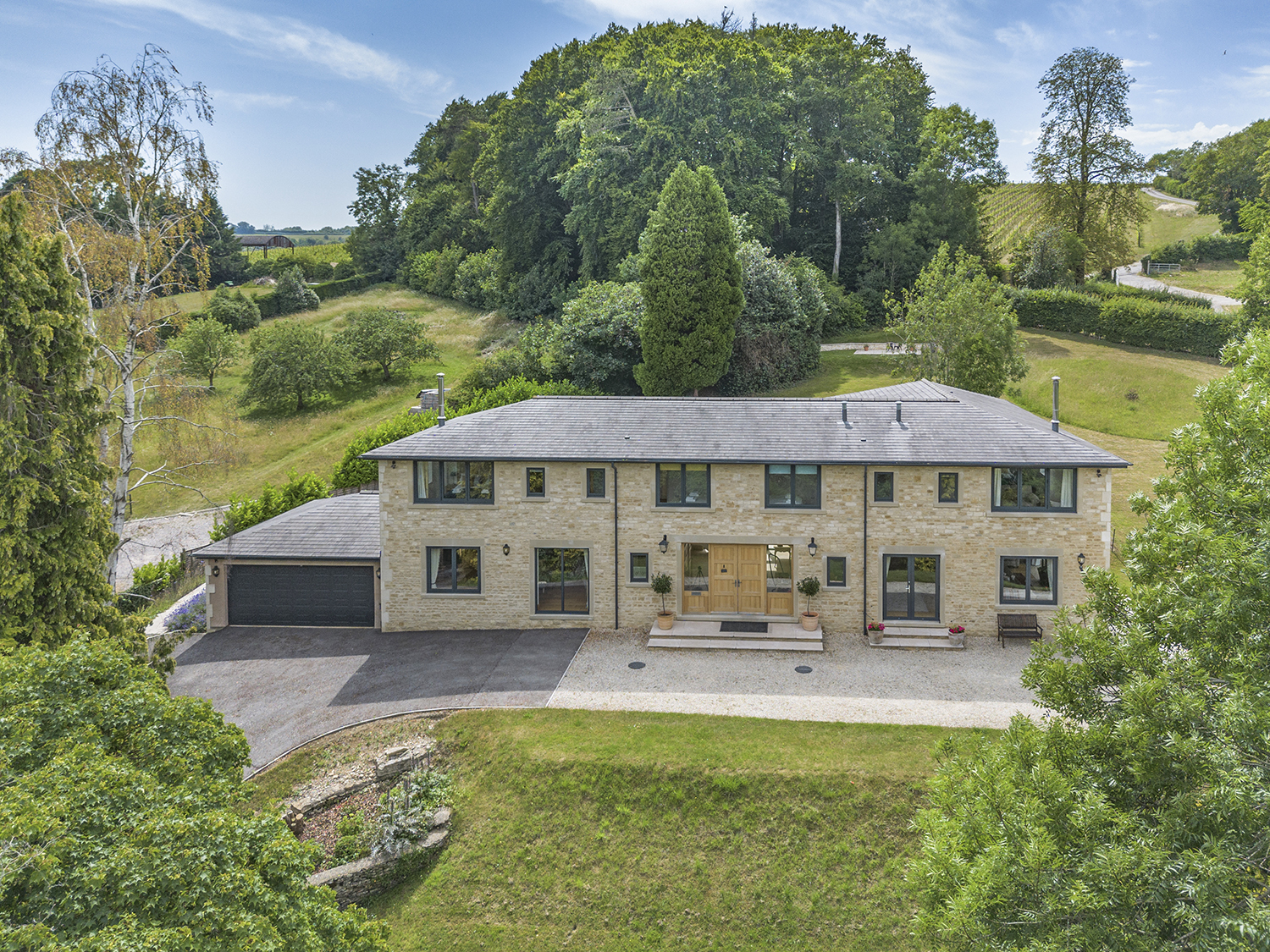
“MY DESTINATION WAS THE WOODCHESTER VALLEY VINEYARD, PERCHED ON A HILLTOP JUST SOUTH OF THE HISTORIC MARKET TOWN OF STROUD.”

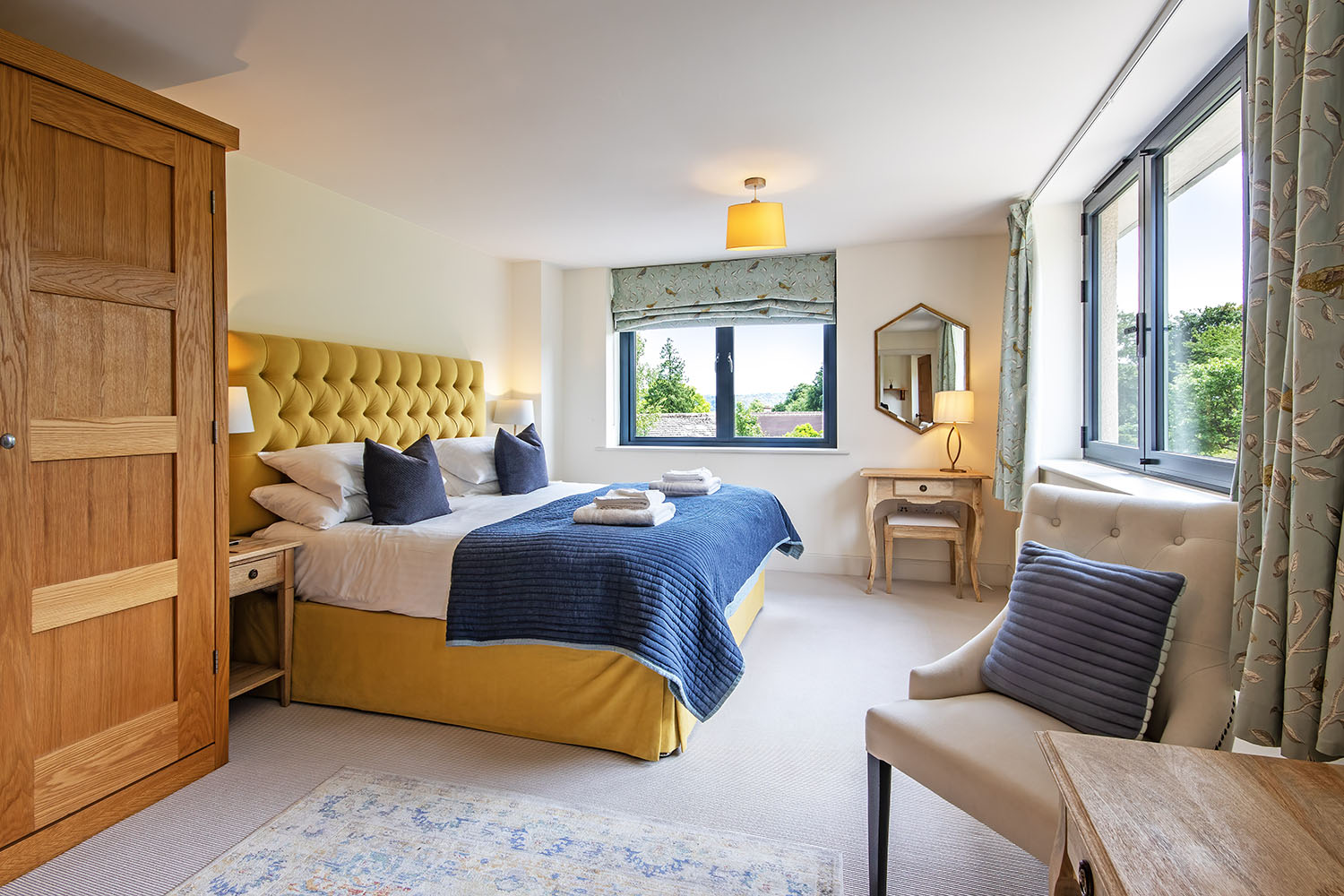
I checked in for a romantic stay in one of Woodchester’s Vineyard Barns, two-storey suites. with both balconies and terraces and incredible views across the AONB. The barns have underfloor heating and woodburners, so would be wonderfully cozy on a winter’s night, but this was high summer. I threw open the doors and windows, bathing in the sunlight and letting the fresh air blow through. The vineyard is some distance above the closest village, so it is gloriously quiet and private. If there was someone else in the vicinity, I was blissfully unaware.

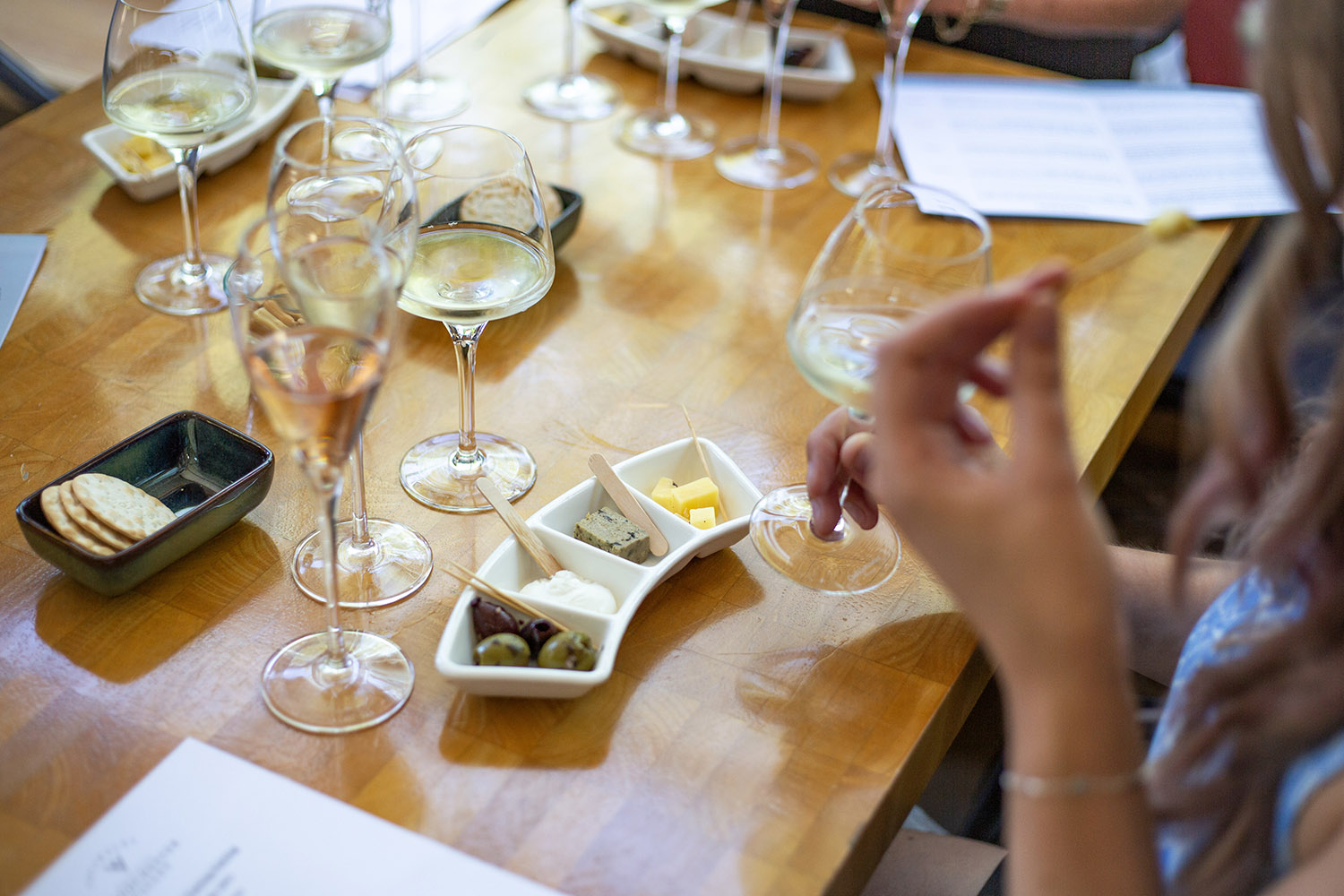
Looking out at the vineyard is one thing, but I wanted to learn about winemaking, too. Later in the day I therefore joined Woodchester’s Classic Vineyard Tour and Wine Tasting, the perfect introduction to English wines and to Woodchester itself. The two-hour class costs just £30, a bargain given that you taste five different wines.

We sat relaxed in Woodchester’s purpose-built tasting room, where other couples and small groups of friends had already gathered. The chatter was lively, but as soon as host Elizabeth Woolls began to speak, she had everyone’s attention. Elizabeth is a Gloucestershire native, but her adventurous hospitality career has taken her far from home, working on a kibbutz in Israel, managing restaurants in Las Vegas and San Francisco, and coordinating events at The Santa Fe Wine And Chile Fiesta. She’s as knowledgeable as she is passionate about Woodchester, its terroir, and the grapes which are grown here, as well as the winemaking process.

Although Elizabeth begins her talk in the tasting room whilst the audience sips one of Woodchester’s excellent sparkling wines, it isn’t a static experience. We soon followed her out into the vineyard to see the last flowers and first tiny grapes on the vines. We learned how the staff set huge candles on cold nights to keep the air circulating and stop frost from settling, though it isn’t a failsafe method: the English weather is famously unpredictable, and a sharp frost late in the season can have a devastating impact on the crop. And inside the winery, we heard how winemaker Jeremy Mount applies the Champagne method to produce the Cotswolds Classic, Reserve Cuvee, and Rose Brut.

IT IS LABOUR INTENSIVE BUT UNDOUBTEDLY WORTH THE EFFORT, AS WOODCHESTER’S MANY AWARDS ATTEST.

Staying as a guest on the vineyard, you have the advantage that when the wine tasting finishes, you can simply saunter back to your accommodation without needing to walk far or call a cab. Should you want to go out for dinner, the superb Wilder restaurant is in nearby Nailsworth, but it is just as appealing to spend the evening lazily in the barn. Pre-order a hamper of fresh local produce, including moreish homemade bread and equally delicious charcuterie, plus sticky cakes and brownies. Crack open another bottle of Woodchester’s wine – might I suggest the Pinot Precoce 2023? – and you will have no reason at all to go beyond the vineyard’s walls. Sit on your terrace listening to the wind, the calls of owls and other nocturnal wildlife. Late in the evening at Woodchester, the world finally feels at peace.

woodchestervalleyvineyard.co.uk

Digital Version

Subscribe to Swanky Retreats Magazine’s DIGITAL version. Read the latest issue online or download it to your computer.